
ASHRAE 188 and Auto Flush Systems
How programmed flushing can support a documented water management program, reduce stagnation risk, and help facility teams maintain cleaner, more consistent building water conditions.
Quick Summary
Flushing Is a Control Support Tool
ASHRAE 188 is not a product checklist. It is a risk-management standard for building water systems. The goal is to help building owners, engineers, facility managers, and water management teams identify where Legionella and other waterborne risks may grow or spread, then operate the system with documented control measures.
Auto flush systems fit into this conversation because they can help move water through low-use outlets, distal piping, restroom fixture branches, and other areas where water may sit for long periods. When properly selected, programmed, commissioned, and logged, automatic flushing can support a broader water management program by reducing stagnation and making routine flushing more consistent.
What ASHRAE 188 Does
It establishes minimum risk-management requirements for building water systems where Legionella control is a concern.
What a WMP Needs
A water management program needs a team, system description, hazard review, control limits, monitoring, corrective action, verification, and documentation.
Where Auto Flush Helps
It helps keep water moving at selected outlets and can create repeatable flushing records for facility teams.
Why It Matters
Stagnant Water Changes Building Risk
Building plumbing is not the same as a simple pipe from the street to a tap. Large buildings often include long pipe runs, dead legs, pressure zones, hot-water loops, storage tanks, mixing valves, low-use rooms, seasonal wings, and fixtures that may stay idle for days or weeks. When water sits too long, temperature can drift, disinfectant residual can decline, sediment can collect, and biofilm can become harder to control.
That is why water management programs focus on both design and operation. Flushing does not solve every water quality issue, but it can help replace older water with fresher water, move disinfectant through the branch line, and restore intended temperature conditions at the point of use. In practical facility work, this makes flushing one of the most visible and manageable control actions.
Technical Role
How Auto Flush Supports a WMP
Auto flush systems support water management when they are tied to a written control strategy. A facility team should know which outlets are being flushed, why they were selected, how often they flush, how long they run, what volume is moved, and how the action is documented.
| Water Management Need | How Auto Flush Can Help | What Must Be Verified |
|---|---|---|
| Low-use outlets | Runs a programmed purge cycle when a restroom, faucet, or fixture branch has not been used enough. | Flush duration, line volume, drain capacity, and actual water turnover. |
| Distal plumbing points | Moves water closer to the point of use, where stagnation can be more common. | Temperature, disinfectant residual, and whether the selected outlet represents the branch. |
| Documentation | Creates repeatable schedules and, in advanced systems, usage or flush logs. | Records should match the facility water management plan and maintenance review cycle. |
| Labor consistency | Reduces dependence on manual weekly flushing rounds that may be missed during staffing gaps. | Staff still need inspection, testing, corrective action, and periodic validation. |
| Building reopening | Can support ongoing fixture movement after an initial reopening flush is completed. | Reopening procedures should follow public health guidance and local water professional advice. |
Planning Chart
Auto Flush Value by Control Area
The chart below is an editorial planning model, not a laboratory result. It shows where automatic flushing usually offers the strongest operational support inside a building water management program.
The reason “Compliance Evidence” is lower than “Stagnation Control” is simple: records help, but they are not the whole program. ASHRAE 188-style water management still depends on the written plan, assigned team roles, hazard analysis, control limits, monitoring, corrective actions, and verification.
Design Logic
Where to Place Auto Flush
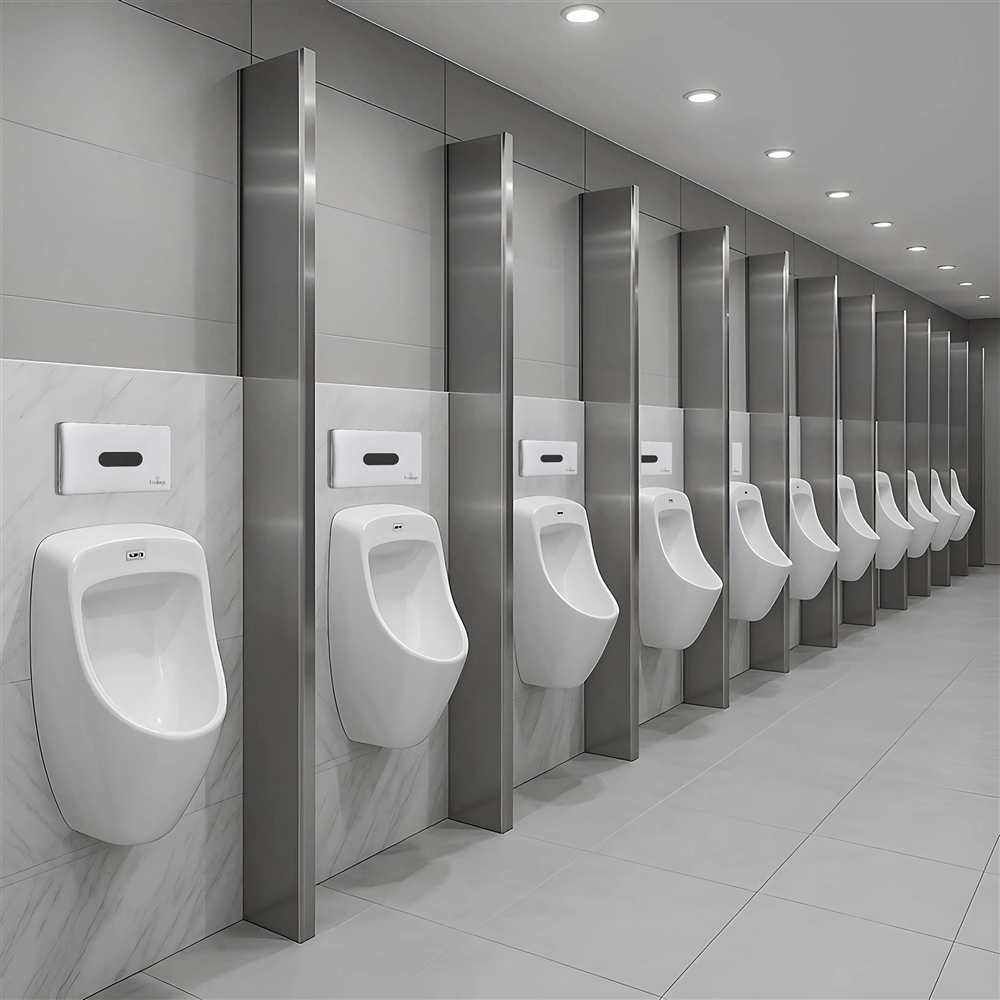
Auto flush should be placed where it solves a real water movement problem. The best candidates are usually fixtures or branches with low demand, intermittent use, long pipe runs, seasonal operation, or occupancy patterns that change during weekends, school breaks, hotel vacancy swings, hybrid office schedules, or facility shutdowns.
- Remote restrooms at the end of long corridors
- Low-use lavatory banks in office buildings
- Seasonal locker rooms and fitness areas
- Hospitality floors with uneven occupancy
- School and university restrooms during breaks
- Healthcare support areas, reviewed with infection prevention teams
Programming Logic
How to Set Flush Cycles
Flush timing should be based on the building’s water management plan, system volume, fixture type, risk category, water quality goals, and local code requirements. A simple timer may be enough for some applications. Higher-risk facilities may need temperature, usage, residual checks, or digital logs.
- Confirm hot and cold water behavior separately.
- Size flush duration to actual branch volume.
- Flush during safe, low-traffic periods when possible.
- Make sure drains can handle the programmed flow.
- Record changes after renovations or occupancy shifts.
- Review water waste, energy, and scald protection controls.
Case Example
Office Tower With Low Occupancy
A 12-story office building shifts to hybrid work. Floors 8 through 12 are occupied only two or three days per week. Janitorial teams notice that several restrooms have very low fixture use, especially at the ends of the floor plates. The building already has a water management plan, but weekly manual flushing is inconsistent because staff rotate between properties.
The facility team maps low-use outlets, identifies distal restroom branches, and adds programmed auto flush cycles to selected fixtures. The cycles run during off-hours and are paired with monthly checks for temperature, disinfectant residual, visible sediment, drain performance, and fixture operation. Flush settings are recorded in the maintenance log and reviewed after occupancy changes.
| Before Auto Flush | After Auto Flush Integration | Program Benefit |
|---|---|---|
| Manual flushing depended on staff availability. | Selected outlets flushed on a programmed schedule. | More consistent water movement. |
| Low-use fixtures were hard to track. | Fixture list and schedules were added to the WMP record. | Better documentation. |
| Remote branches had irregular water turnover. | Distal points were prioritized for routine purge cycles. | Lower stagnation concern. |
| Maintenance review was reactive. | Flush performance was checked during monthly rounds. | Clearer corrective action path. |
This example is not a universal design rule. It shows how auto flush systems can become part of a documented program when the building team connects the device schedule to the building’s actual water use pattern.
Implementation Guide
A Simple WMP Workflow
A strong auto flush strategy starts before the product is installed. Facility teams should first understand the building water system, then use flushing technology to support a specific control purpose.
Map the Water System
Identify risers, branches, low-use outlets, hot-water returns, mixing valves, storage tanks, and fixtures at the end of pipe runs.
Rank Fixture Risk
Prioritize areas with low usage, vulnerable occupants, long stagnation periods, or inconsistent maintenance access.
Set Control Goals
Define whether flushing is intended to improve turnover, support disinfectant delivery, maintain temperature control, or document routine activity.
Program and Commission
Set flush duration, frequency, off-hour timing, and safety checks. Confirm that the flush cycle reaches the intended branch and drains correctly.
Monitor and Record
Keep logs of fixture location, settings, inspection dates, water quality checks, maintenance issues, and corrective actions.
Technical Notes
Common Mistakes to Avoid
Mistake 1: Treating Devices as Compliance
A product can support a control measure, but it does not replace the written program, hazard analysis, monitoring plan, or corrective action process.
Mistake 2: Flushing Without Volume Logic
A short flush may only move water inside the fixture. The schedule should be reviewed against branch length, pipe diameter, and intended turnover.
Mistake 3: Ignoring Hot Water
Hot-water systems need special review because temperature control, scald protection, mixing valves, and distal delivery can interact.
Mistake 4: No Documentation
If the flush schedule is not recorded, reviewed, and verified, it provides less value during audits, maintenance reviews, and risk discussions.
Product Selection
What to Look For in Auto Flush Systems
For commercial buildings, the best auto flush system is not simply the one with the most features. It is the one that matches the building’s maintenance capacity, fixture type, water management goals, and documentation needs.
| Feature | Why It Matters | WMP Value |
|---|---|---|
| Programmable flush cycles | Allows the team to set flushing by time, inactivity, or facility schedule. | Supports consistent control measures. |
| Battery or hardwired options | Helps match retrofit projects, new construction, and maintenance access. | Improves installation flexibility. |
| Manual override | Lets maintenance staff test, purge, or service the fixture when needed. | Supports inspection and corrective action. |
| Durable commercial body | Reduces failures in public restrooms and high-traffic facilities. | Improves reliability of control actions. |
| Accessible maintenance parts | Makes batteries, sensors, solenoids, diaphragms, and filters easier to service. | Reduces downtime. |
| Usage or flush logs | Advanced systems can help document when flush events occur. | Improves program evidence. |
Featured Auto Flush Fixtures
Commercial Flush Options
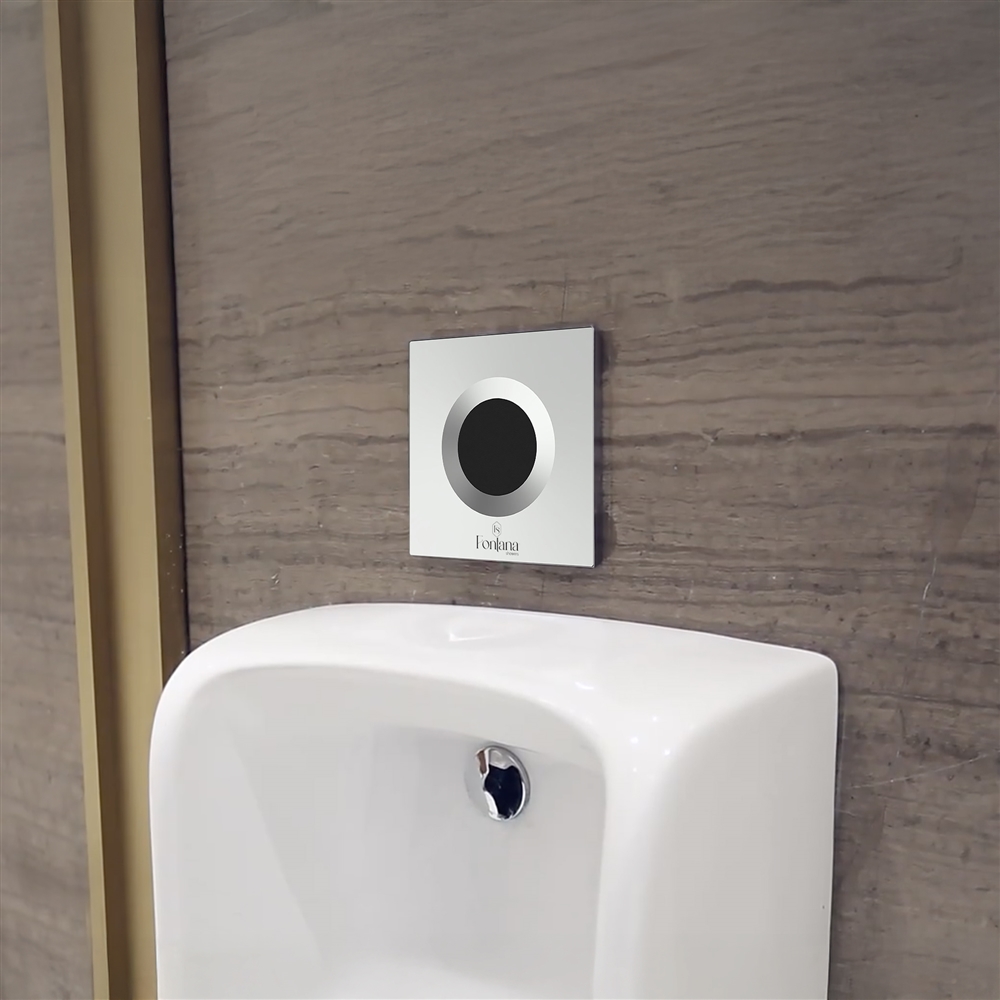
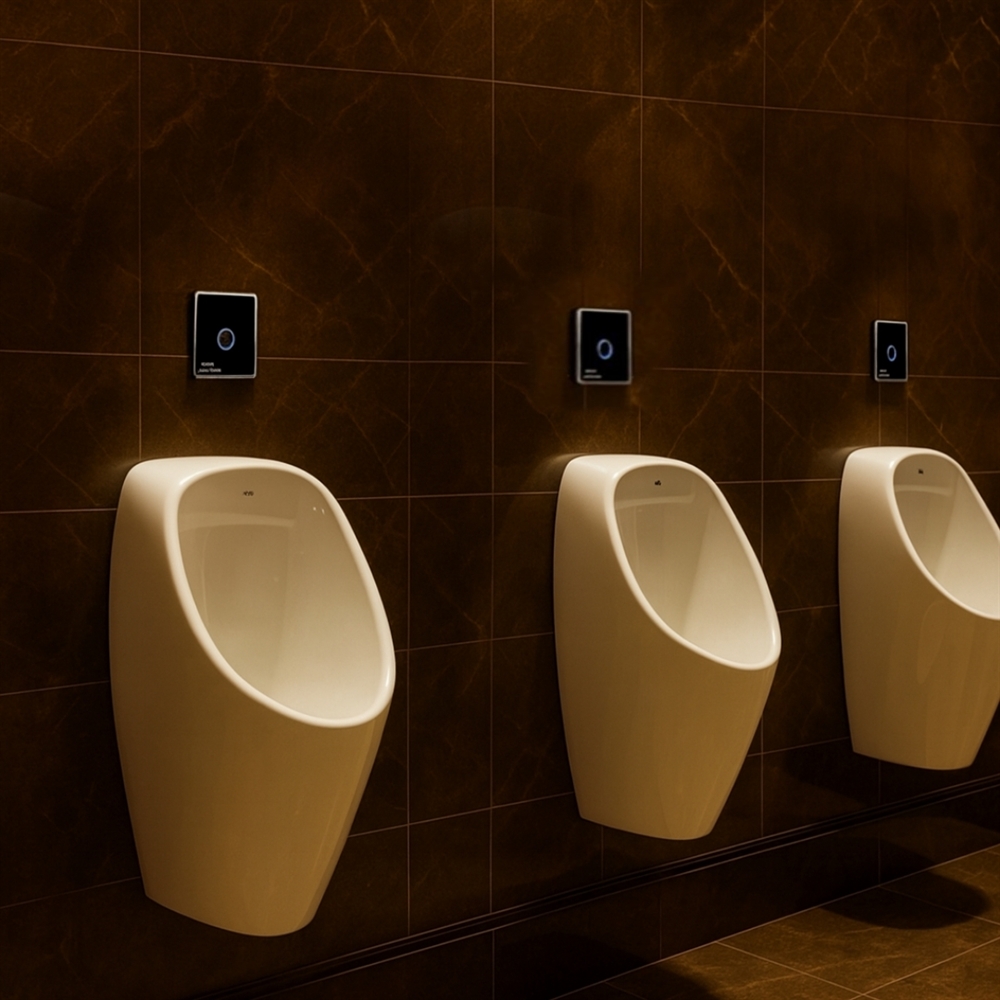
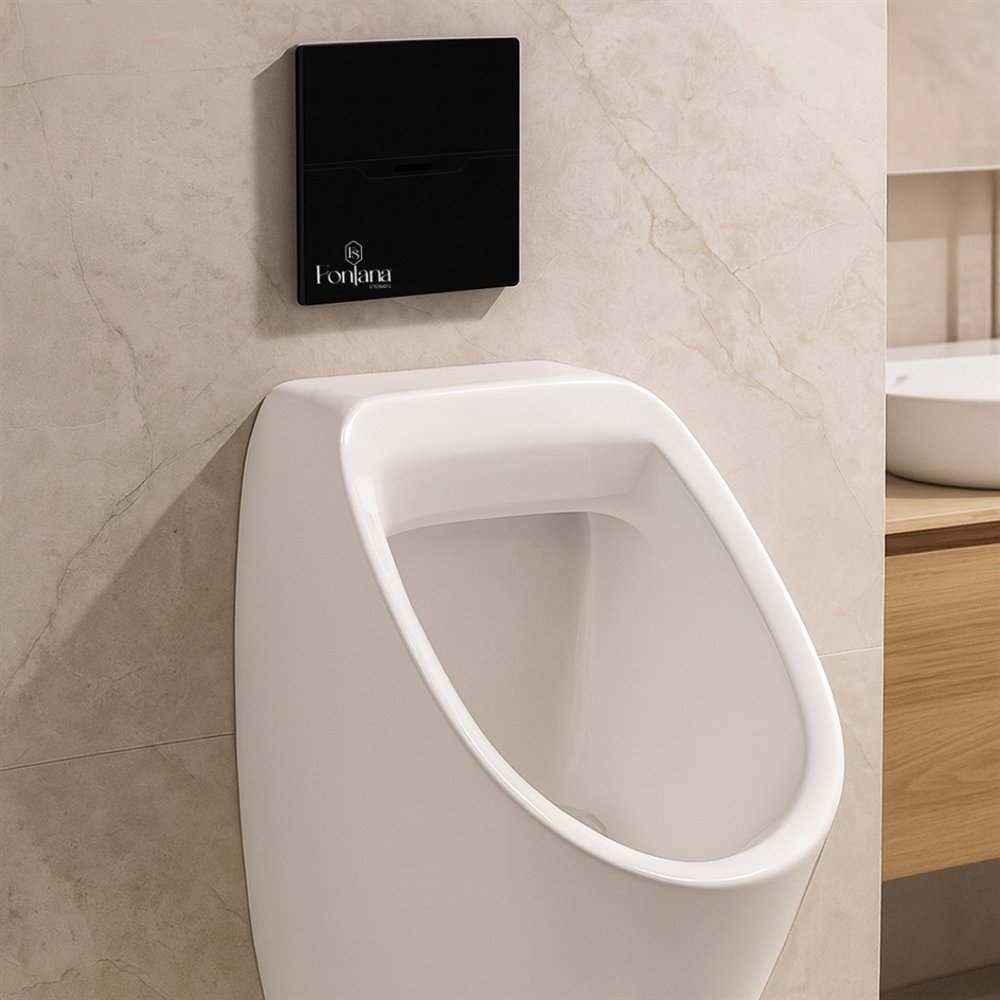
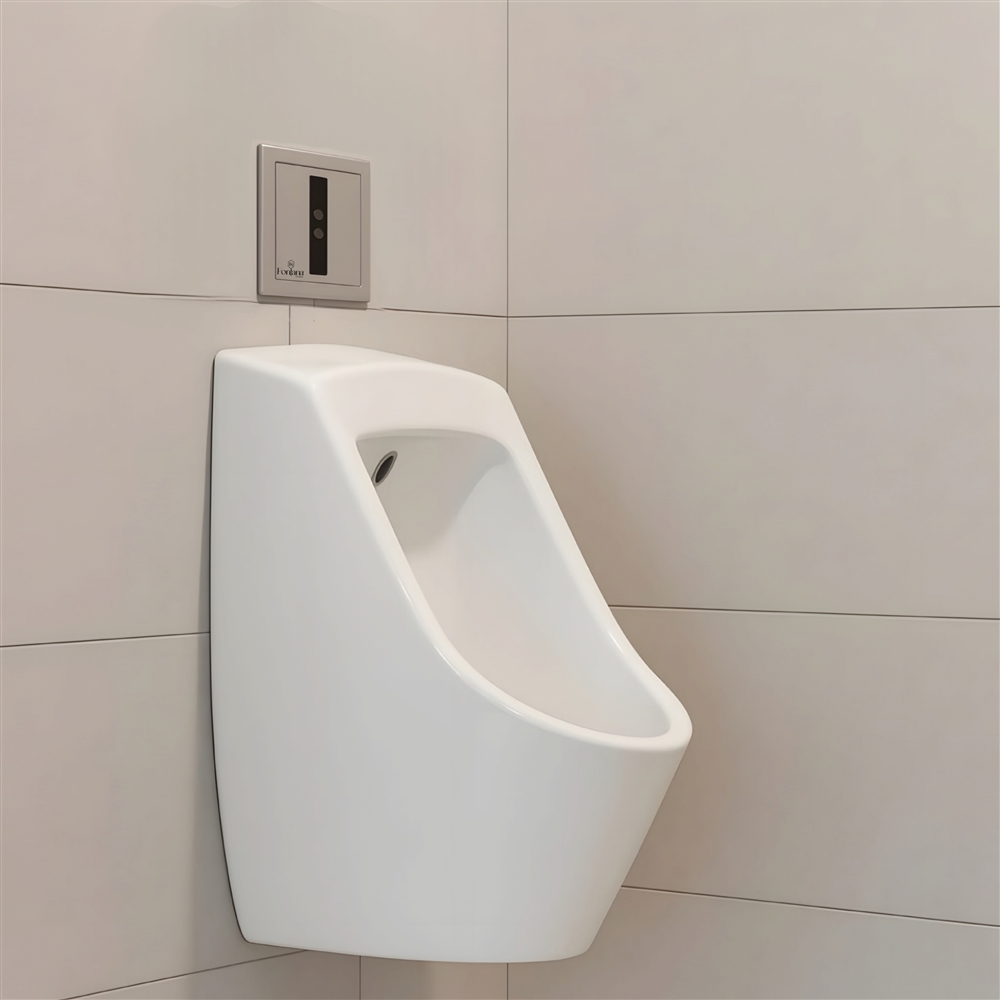
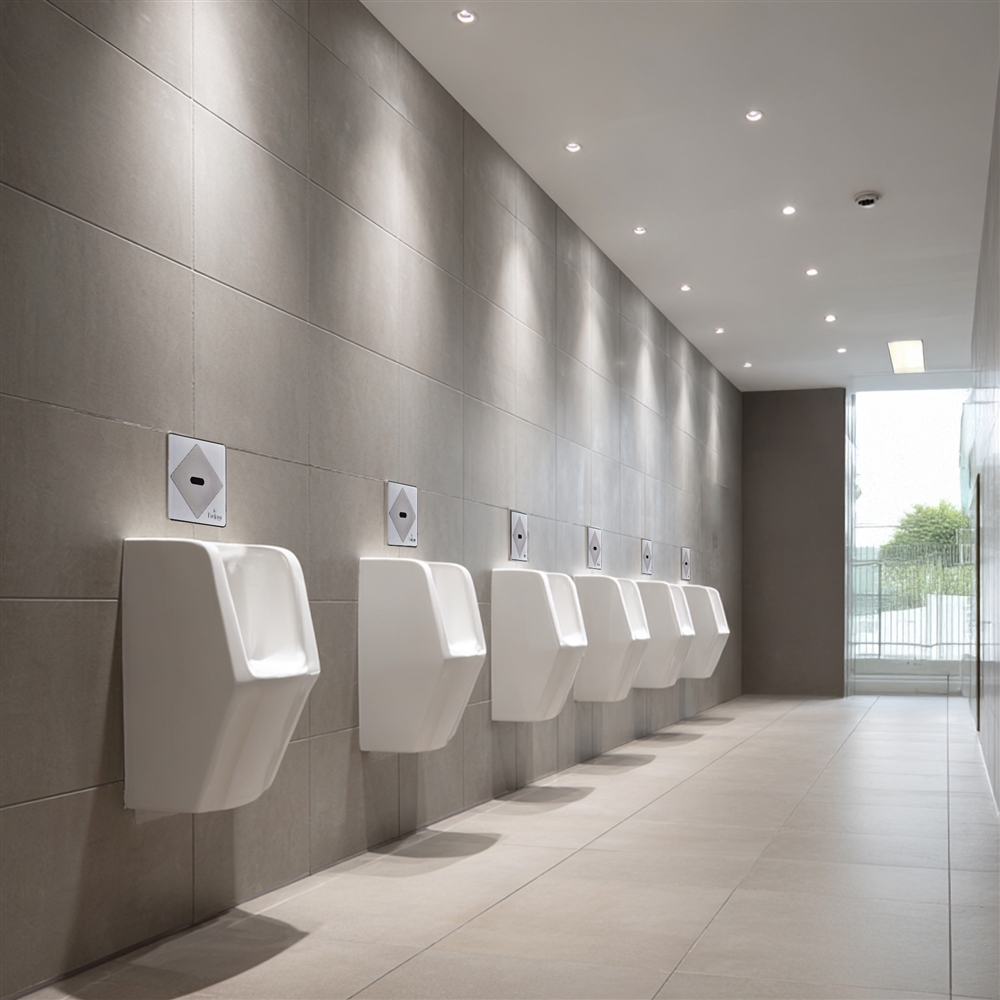
The fixture images below are included as visual product references for commercial auto flush planning. Each image is set to display in its natural auto height while remaining responsive on desktop, tablet, and mobile screens.
Chrome Auto Flush Fixture
Commercial water movement support
Black Auto Flush Fixture
Low-use branch flushing support
Commercial Flush Fixture
Programmed restroom operation
Grey Auto Flush Fixture
Documented WMP support
Light Gold Flush Fixture
Commercial restroom applications
FAQ
ASHRAE 188 and Auto Flush FAQ
Does ASHRAE 188 require auto flush systems?
ASHRAE 188 establishes risk-management requirements for building water systems. It does not simply require one specific product type for every building. Auto flush systems may support a water management program when the building team identifies stagnation or low-use outlets as a control concern.
Can automatic flushing prevent Legionella by itself?
No. Flushing can support water turnover and reduce stagnation, but Legionella control also depends on temperature, disinfectant residual, system design, maintenance, monitoring, corrective action, and documentation.
How often should auto flush systems run?
There is no single schedule that fits every building. Flush frequency should be based on system volume, fixture use, occupancy, risk level, water quality data, and the written water management program.
Are auto flush systems useful in office buildings?
Yes, especially in hybrid offices, partially occupied floors, and restrooms at the end of long branches. They are most useful when paired with inspection, water quality checks, and documented maintenance.
Do flush logs help with water management records?
Yes. Logs can show that a control activity occurred, but logs should be reviewed with other program records such as testing, inspection notes, temperature checks, residual checks, and corrective actions.
References
Source Links
These reference buttons open in a new tab and support the technical points in this article.
Bottom Line
ASHRAE 188 makes building water management a planned, documented, and continuously reviewed responsibility. Auto flush systems can support that responsibility by helping facility teams reduce stagnation, improve water turnover, and keep flushing activity more consistent across low-use restroom fixtures and distal plumbing points.
The strongest approach is not “install and forget.” It is to map the building, identify the risk points, set flush logic based on the water management plan, verify performance, and keep clear records. Used that way, auto flush technology becomes a practical part of safer, cleaner, and more professional building water operations.