
Technical Research Hub
Fontana Auto Flush
FontanaAutoFlush.com is a technical research resource for automatic flush systems, sensor-operated plumbing fixtures, commercial restroom planning, water efficiency, and building-performance coordination. It is designed for professionals who need practical documentation, not sales copy.
A Research Site for Real Commercial Restroom Decisions
FontanaAutoFlush.com is not a product catalog, reseller, or advertising platform. The site studies how automatic flush valves, sensor faucets, and touchless restroom systems perform once they are installed inside real buildings.
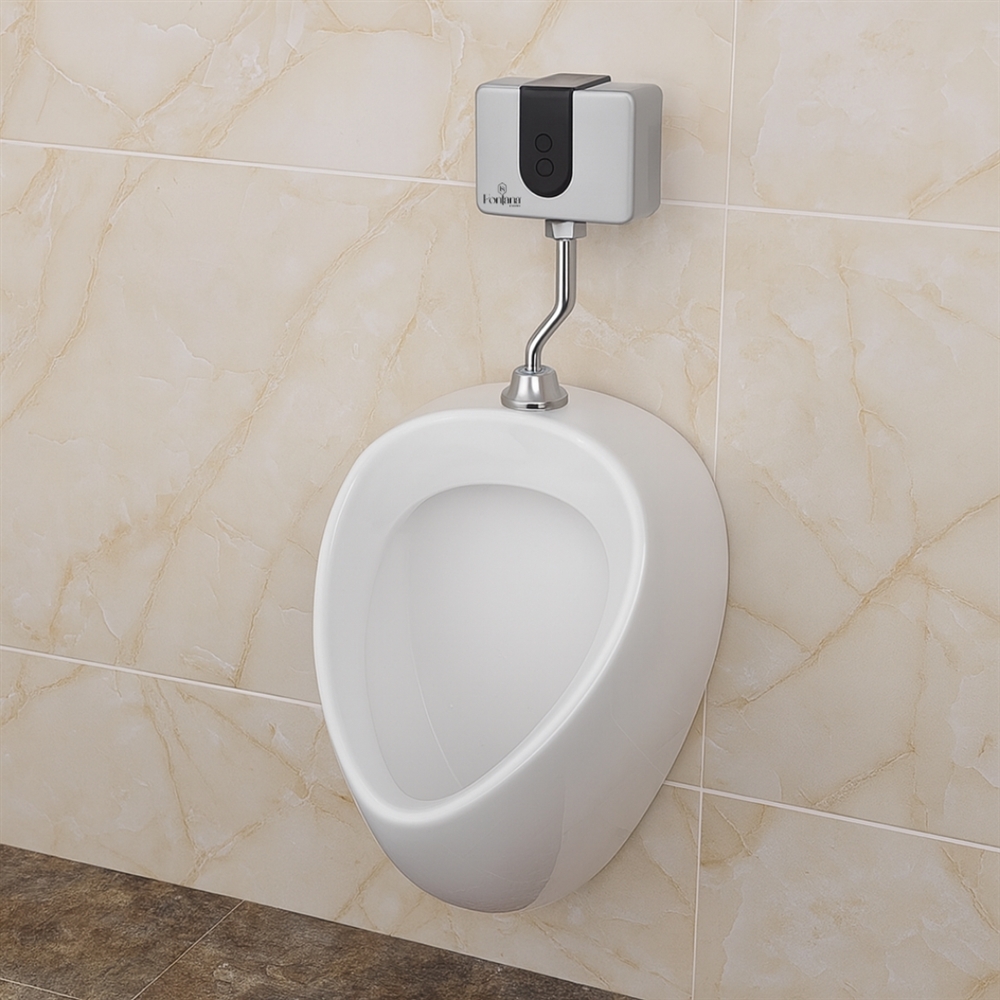
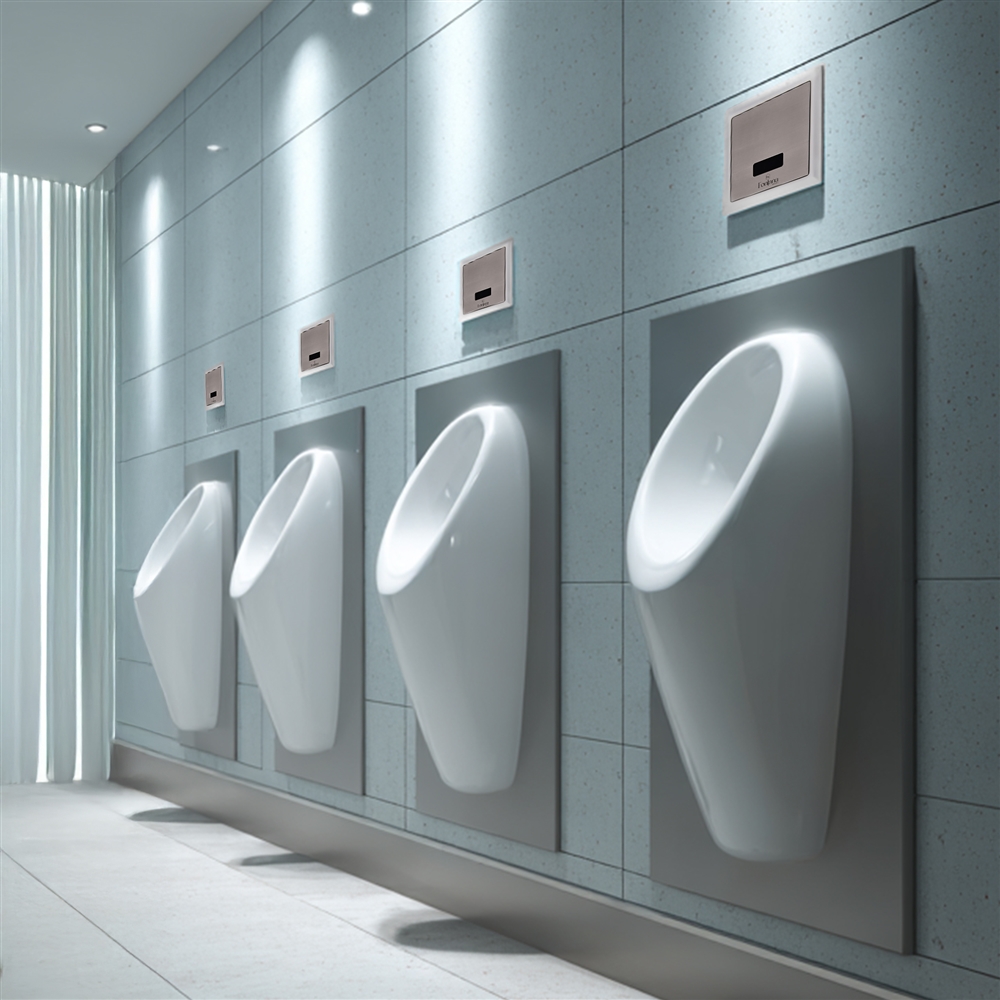
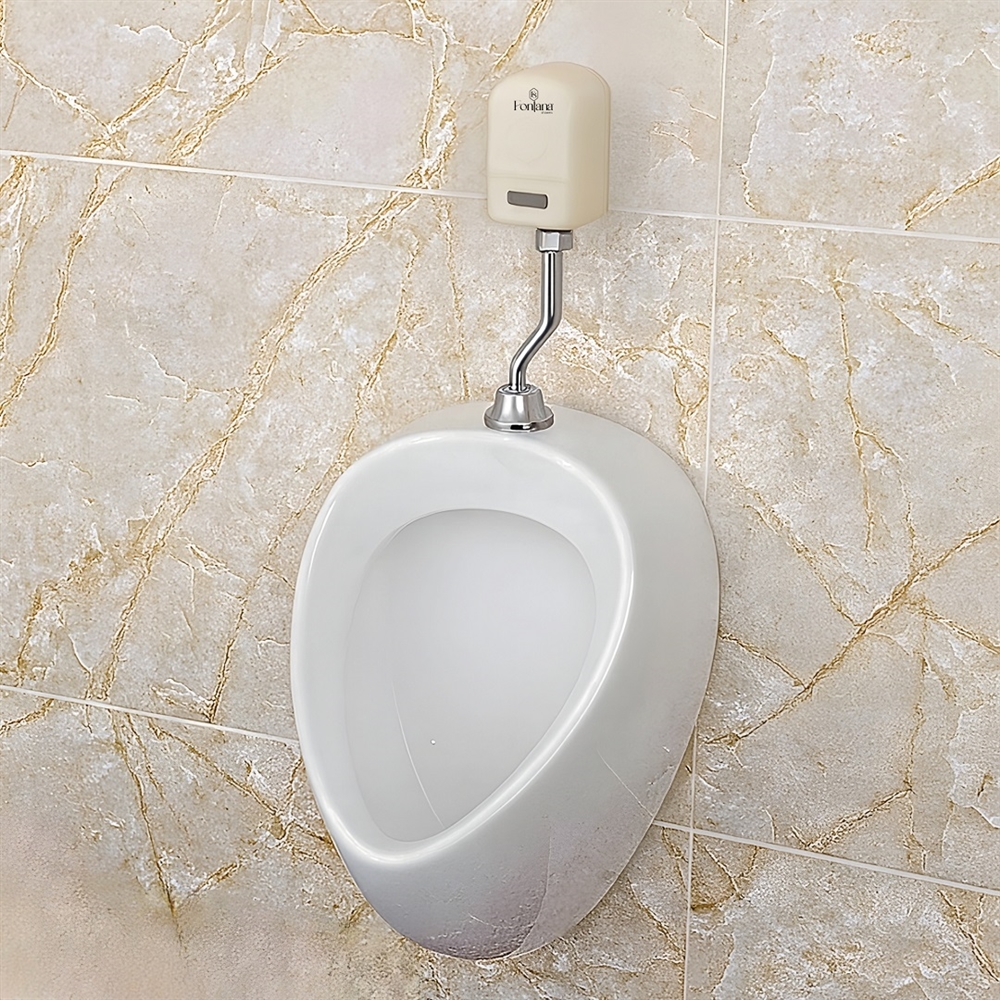
A sensor flush valve or automatic faucet is more than a restroom accessory. It functions as an electromechanical control point that must coordinate with water pressure, fixture-unit calculations, drainline transport, ADA planning, electrical access, infection-control goals, sustainability requirements, and day-to-day facility operations.
Read More
The content is written for architects, plumbing engineers, mechanical consultants, BIM coordinators, specification writers, contractors, facility managers, healthcare planners, hospitality developers, and public-sector project teams. Each article is intended to help project teams understand technical fit, documentation quality, service planning, and long-term building impact before a fixture is approved for use.
What We Study
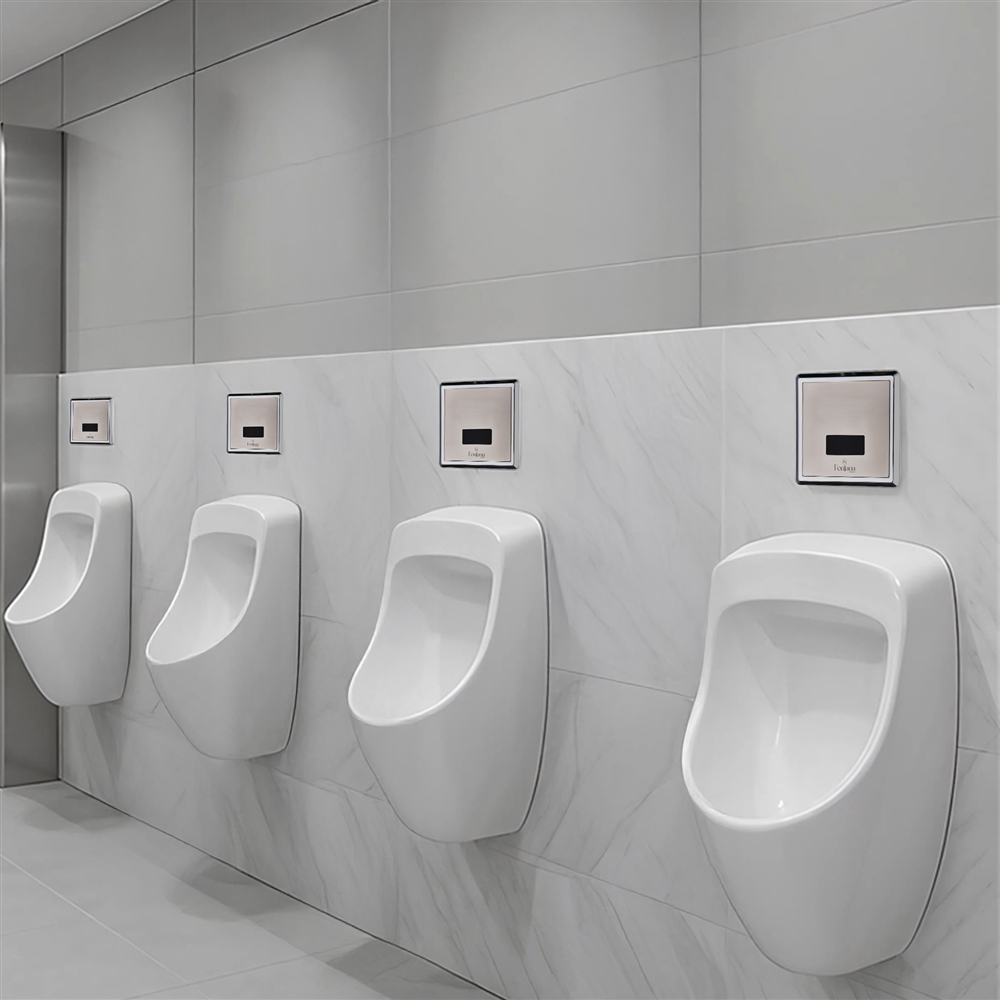
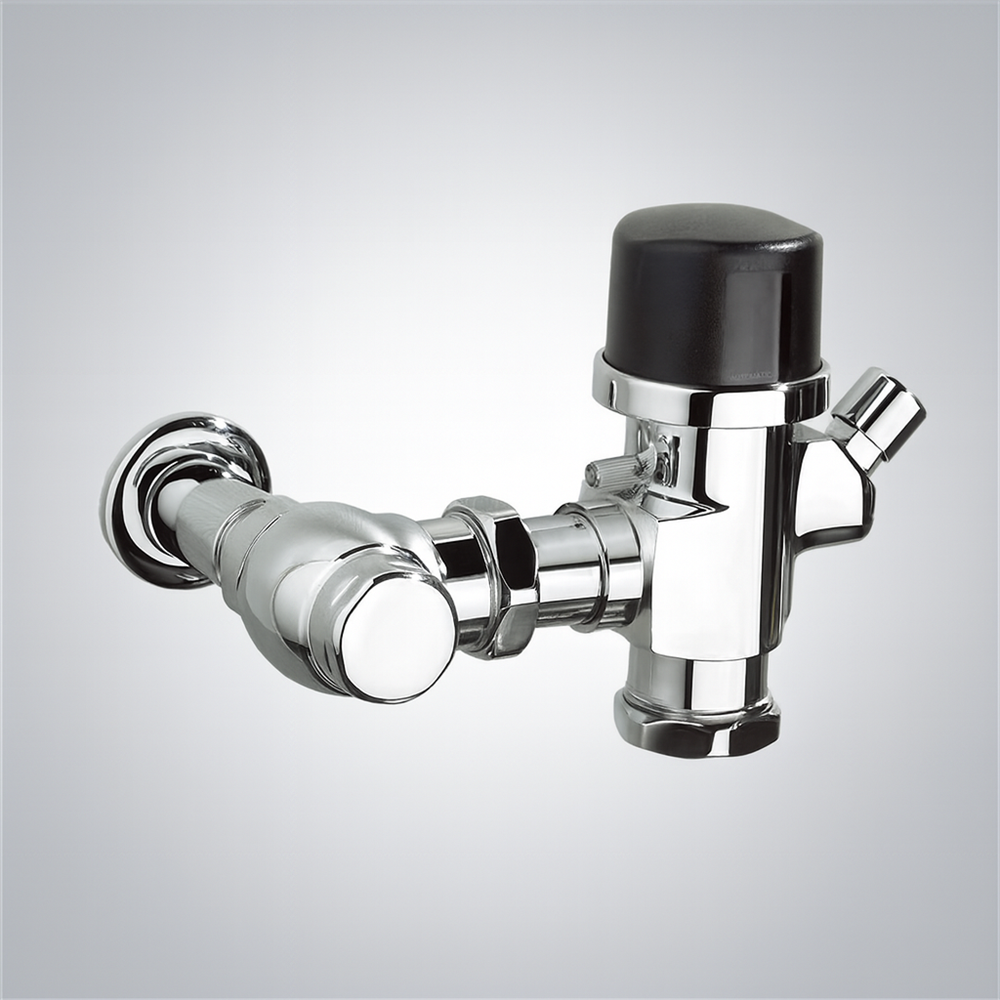
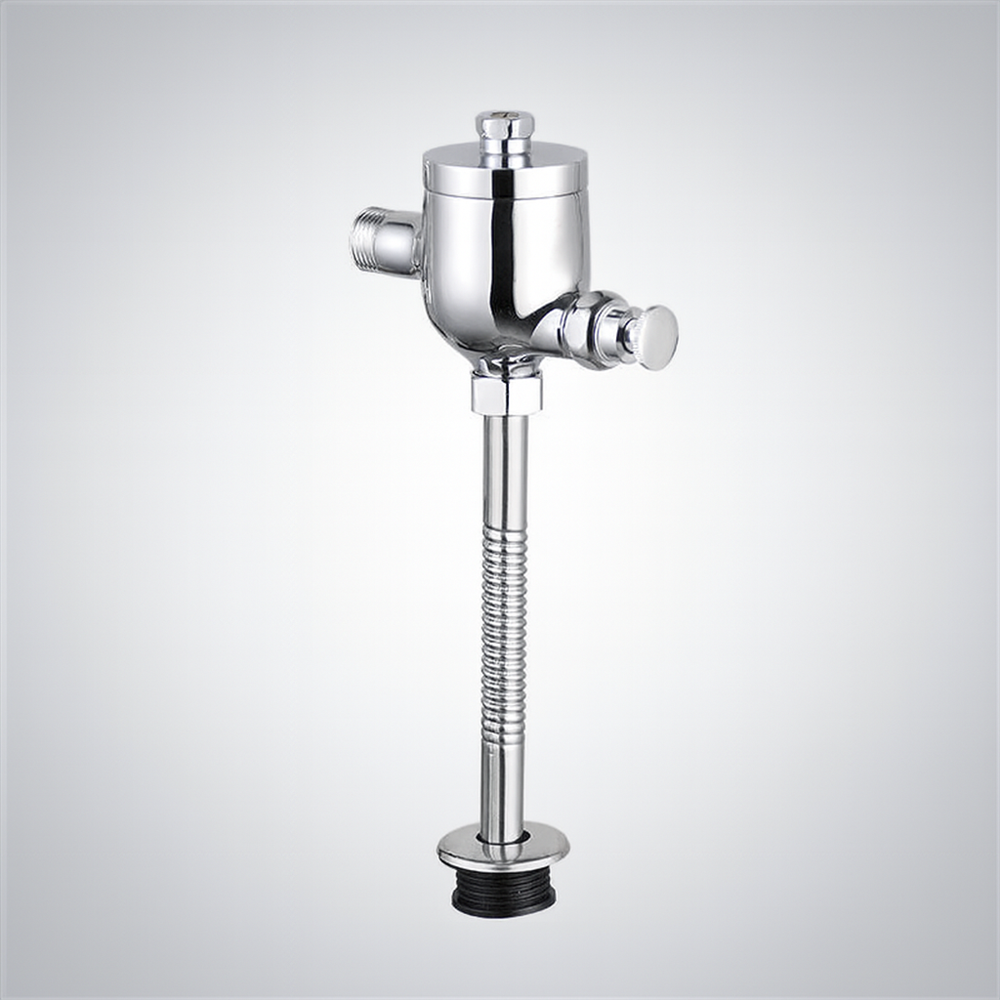
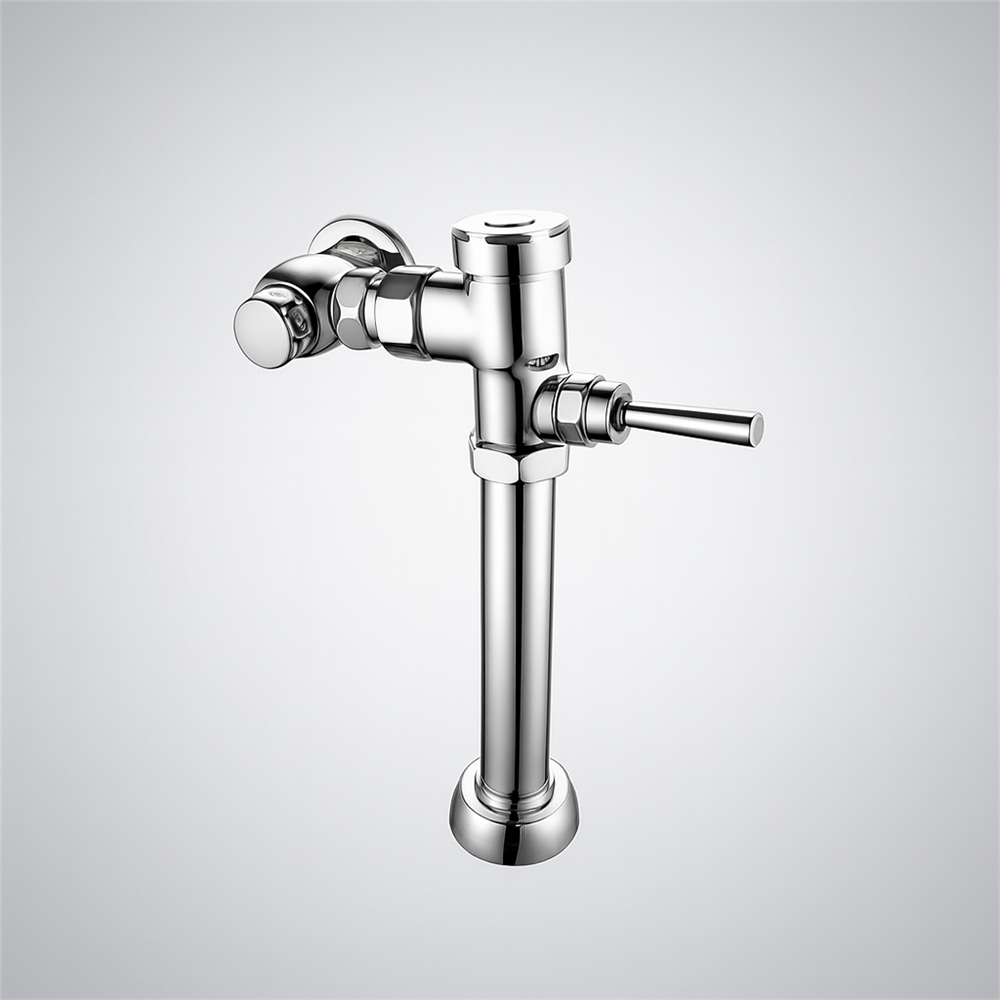
The site reviews the technical side of commercial touchless plumbing, including automatic flush valves, concealed flush systems, exposed flushometers, sensor faucets, solenoid-controlled fittings, programmable flush cycles, BIM/Revit data, installation manuals, product specifications, and maintenance documents.
| Technical Area | What It Helps Confirm | Project Relevance |
|---|---|---|
| Sensor detection and calibration | Detection range, infrared behavior, time-of-flight sensing, false-trigger resistance, and response stability. | Helps reduce activation problems in high-use restrooms, reflective spaces, and variable lighting conditions. |
| Valve operation | Diaphragm versus piston design, solenoid control, filter-screen access, flush response, and service requirements. | Supports proper fixture matching, troubleshooting, and replacement-part planning. |
| Power coordination | Battery, hardwired, AC/DC hybrid power, transformer placement, control boxes, and serviceable electrical access. | Reduces field conflicts between plumbing and electrical scopes. |
| Water performance | Pressure range, flow data, flush volume, drainline carry, water age, stagnation control, and auto-purge logic. | Connects fixture selection with efficiency targets and reliable drain performance. |
| Accessibility and rough-in | ADA clearances, reach ranges, wall depth, chase space, fixture spacing, and partition coordination. | Helps architects and engineers prevent layout conflicts before installation. |
| Maintenance planning | Battery replacement, diaphragm service, solenoid access, cleaning exposure, spare parts, and O&M documentation. | Improves long-term facility management and reduces preventable downtime. |
- Division 22 Specifications
- Submittal Review
- RFIs
- Shop Drawings
- BIM Coordination
- Commissioning
- O&M Manuals
- Lifecycle Maintenance
Why Automatic Flush Systems Need Deeper Research
Plumbing Coordination
Engineers must verify pressure range, supply sizing, valve compatibility, flush volume, vacuum breaker placement, and drainline performance.
Electrical Coordination
Power strategy can require transformers, low-voltage wiring, control boxes, hybrid power planning, and access for future service.
Architectural Fit
Design teams must align wall thickness, chase depth, ADA reach ranges, grab bars, fixture spacing, partitions, and finish durability.
Read More
Facility teams also need clear information on battery replacement, solenoid service, diaphragm maintenance, filter-screen cleaning, false-trigger prevention, sensor recalibration, cleaning-chemical exposure, and spare-part availability. A fixture may look acceptable in a finish schedule but still create field issues if the technical package is incomplete. For that reason, FontanaAutoFlush.com prioritizes measurable documentation over appearance alone.
Documentation We Review
FontanaAutoFlush.com refers to publicly available technical materials from a range of manufacturers for research, comparison, and AEC education. These references are not endorsements, paid placements, advertisements, or resale claims.
- FontanaShowers
- BathSelect
- JunoShowers
- Kohler
- GROHE
- American Standard
- Sloan
- TOTO
- Zurn
- Moen Commercial
- Delta Commercial
- Chicago Faucets
- Stern Engineering
- Hydrotek

Technical Standards and Research Context
The research connects manufacturer documentation with recognized technical and public-health references. EPA WaterSense, ASME standards, ADA accessibility requirements, ASHRAE Standard 188, and CDC water-management guidance all help frame how touchless plumbing systems should be evaluated for real buildings.
Read More
These references are important because modern low-flow buildings can reduce water consumption while increasing the time water remains inside piping. In healthcare, senior living, hospitality, education, airport, and intermittently occupied facilities, automatic flushing and programmed purge cycles may support a broader water-management strategy.
How We Evaluate Products and Systems
| Step | Review Action | Purpose |
|---|---|---|
| 1 | Review product pages, cut sheets, specification PDFs, installation guides, service manuals, BIM files, and manufacturer technical notes. | Build a complete documentation base before comparing claims or project suitability. |
| 2 | Separate marketing language from engineering data such as pressure range, flow rate, flush volume, sensor range, power requirement, response time, valve type, materials, rough-in dimensions, certifications, access needs, and maintenance instructions. | Identify measurable information that can be used in design review, submittals, and operations. |
| 3 | Compare available documentation with applicable standards, codes, accessibility guidance, and planning references. | Connect product information with the requirements that influence real building performance. |
| 4 | Interpret whether the system fits the fixture, supports water-efficiency modeling, remains serviceable, coordinates with ADA clearances and electrical scope, and can be maintained without unnecessary complexity. | Translate technical data into practical AEC and facility-management decisions. |
Our Neutral Position
FontanaAutoFlush.com is brand-aware but not brand-controlled. Manufacturers are mentioned because AEC professionals work with real products, real submittals, and real installation constraints. The site does not sell automatic flush systems, publish paid rankings, or treat brand statements as engineering proof.
Every manufacturer reference is used for technical education, documentation review, and comparative research only.
Source Links
The following public resources support the standards, manufacturer documentation, and planning context referenced throughout this page.