
Auto Flush Valve Installation Guide
Auto flush valves are small specification items with a large impact on hygiene, water use, accessibility, maintenance, and restroom reliability. For architects and facility managers, the best installation starts before rough-in: with the right valve type, water pressure review, power plan, fixture match, and service access strategy.
Project Overview
Why Auto Flush Valves Need Early Planning
Read More Read Less
Fixture Match
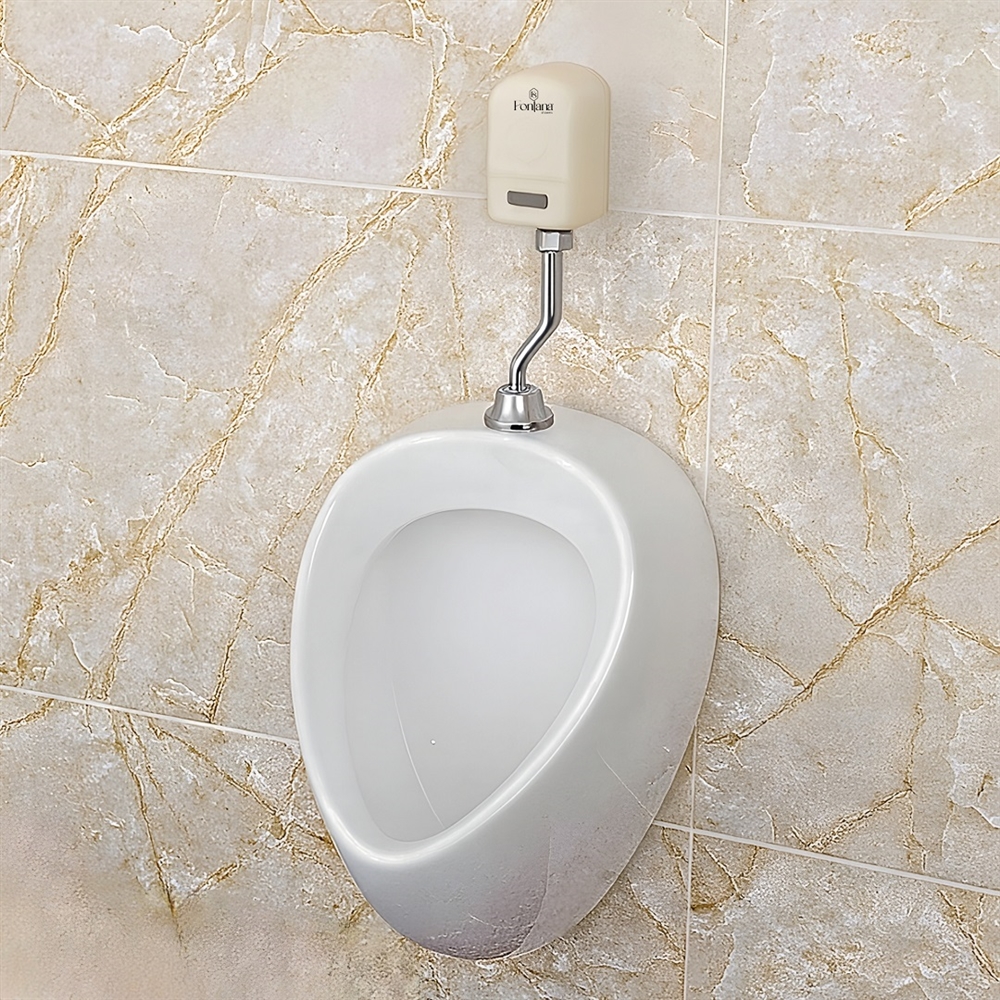
Confirm whether the valve is for a water closet or urinal, exposed or concealed installation, top spud or back spud fixture, and the required flush volume. The fixture and valve must be designed to perform together.
Water Supply
Review static pressure, flowing pressure, supply line size, pressure drop, simultaneous demand, and water hammer risk. Flushometer valves need a reliable water supply to operate consistently.
Service Access
Plan access to the stop, tailpiece, sensor, solenoid, battery pack or transformer, diaphragm or piston kit, vacuum breaker, and cover assembly before walls, tile, partitions, and ceilings are finalized.
Design Coordination
Architect Considerations
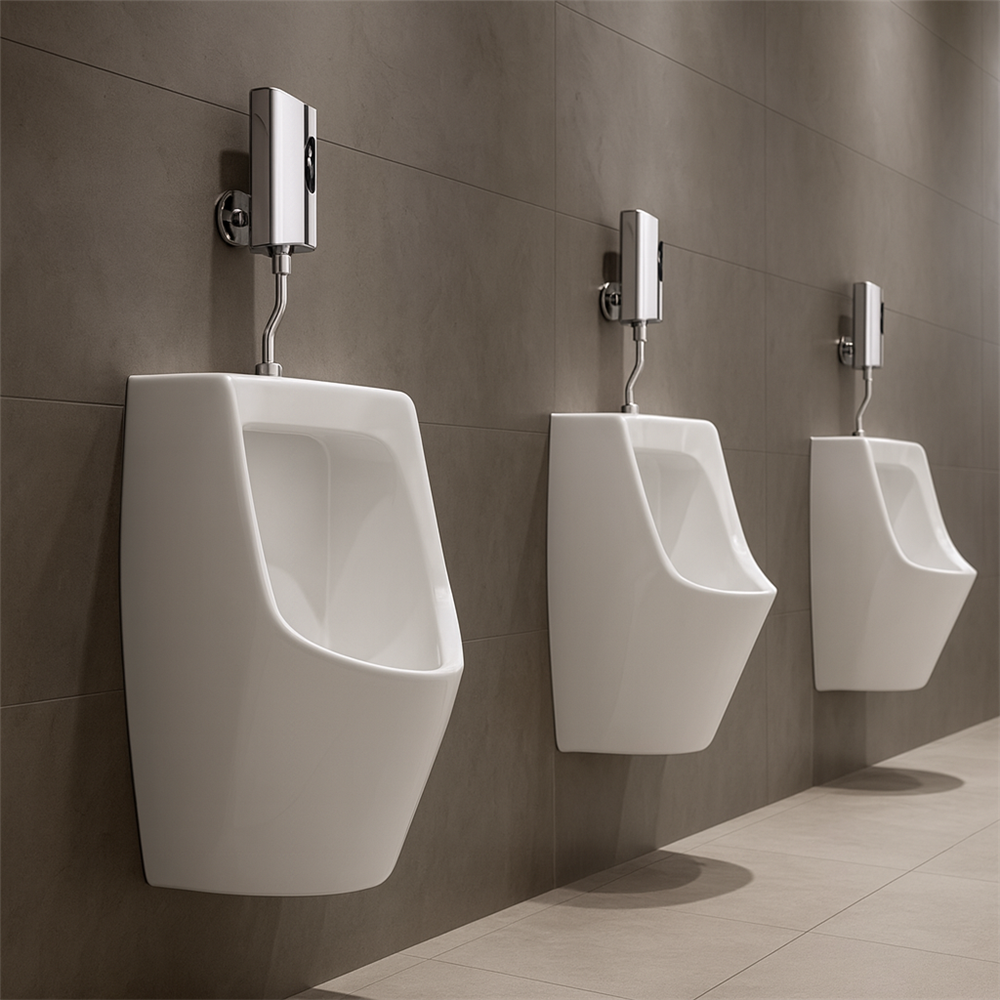
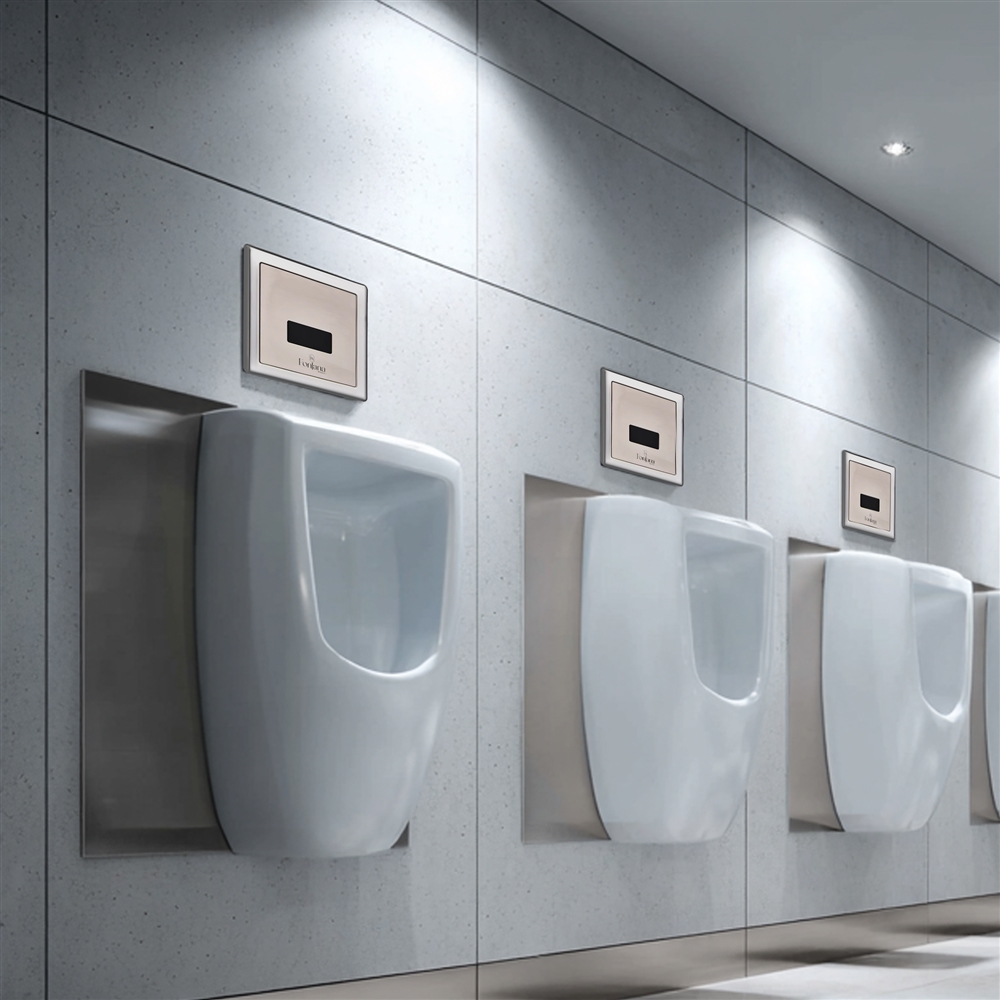
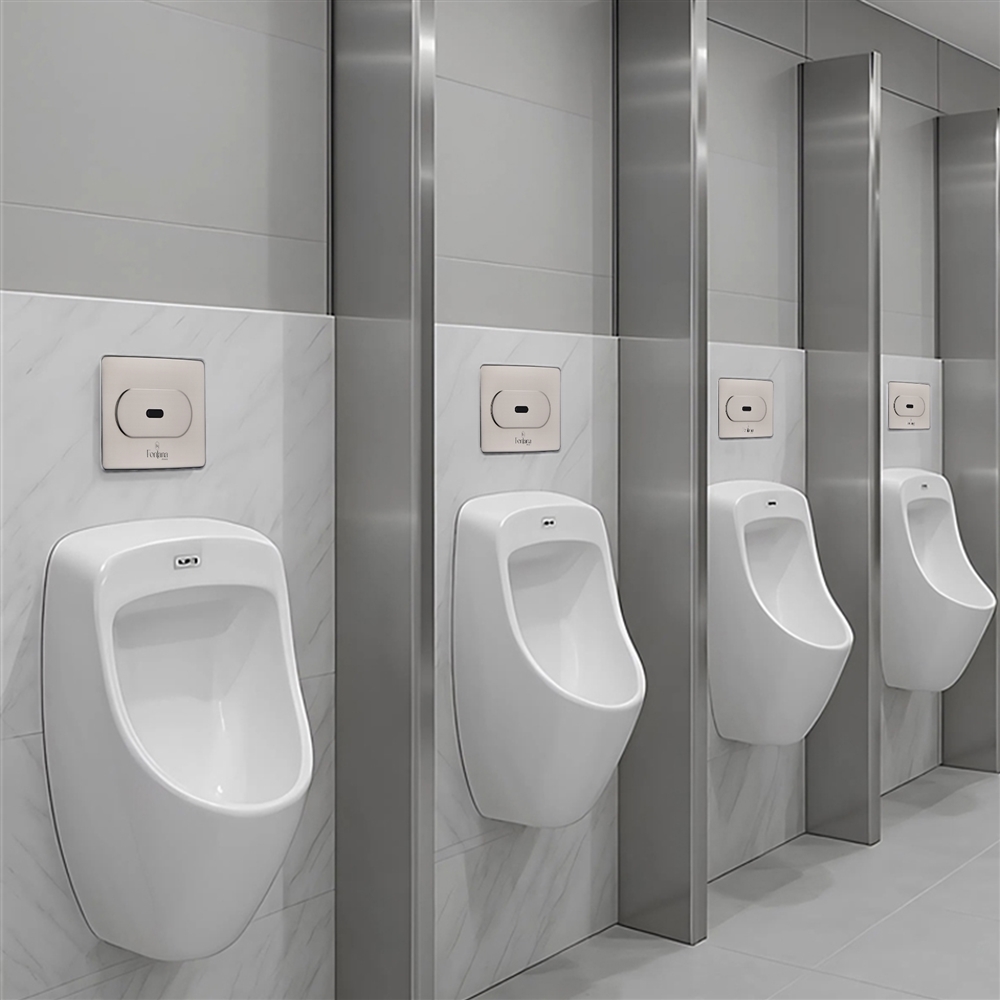
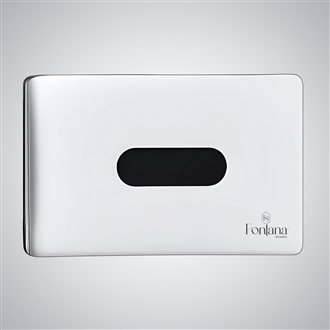
Architects should review auto flush valve placement while the restroom plan is still flexible. The valve location affects wall depth, fixture carrier coordination, rear grab bar clearance, toilet partition layout, chase access, ceiling access, and the visual rhythm of the restroom. In accessible toilet rooms, sensor placement and manual override location should be coordinated so the user does not have to reach awkwardly across the fixture.
- Coordinate valve projection with toilet partitions, doors, accessories, and grab bars.
- Keep rear grab bar zones clear of flush valve and piping conflicts where possible.
- Use concealed valves when a cleaner design or vandal resistance is important.
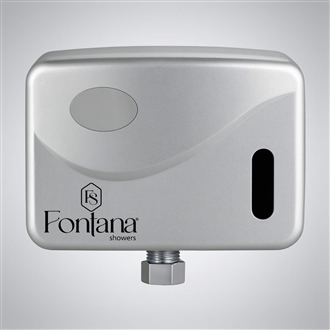
- Use exposed valves where service speed, cost control, and simple retrofit work matter most.
- Show access panels and electrical routes on drawings instead of leaving them to field decisions.
Operations Planning
Facility Manager Priorities
Facility managers should evaluate the valve from a maintenance and uptime perspective. A valve that looks clean on day one must still be easy to diagnose, clean, adjust, and service after thousands of cycles. In airports, schools, stadiums, hospitals, offices, hotels, and retail centers, the best auto flush valve is the one that supports predictable restroom operation with minimal user complaints.
- Choose battery, hardwired, or hybrid power based on traffic and service staffing.
- Keep spare parts available for diaphragms, pistons, solenoids, batteries, covers, and sensors.
- Train custodial teams to clean sensor windows without scratching or coating them.
- Record activation issues by fixture location, not only by restroom name.
- Schedule preventive inspections before seasonal peaks or high-occupancy events.
Pre-Installation Checklist
Key Items to Confirm Before Rough-In
This checklist helps reduce field changes, call-backs, and maintenance issues. Use it during design review, submittal review, preconstruction meetings, and final commissioning.
| Item | What to Check | Why It Matters | Owner Benefit |
|---|---|---|---|
| Fixture Type | Water closet or urinal, top spud or back spud, exposed or concealed valve. | Wrong matching can cause rough-in conflicts or poor flush performance. | Fewer change orders and faster installation. |
| Flush Volume | Confirm 1.28 gpf, 1.6 gpf, 1.0 gpf, 0.5 gpf, 0.125 gpf, or project-specific requirements. | Flush volume affects water use, fixture performance, and drainline transport. | Better balance between conservation and reliability. |
| Water Pressure | Review available static and flowing pressure at the most remote fixture. | Flushometers depend on proper pressure and volume at the valve. | Reduced weak flushes, double flushes, and complaints. |
| Pipe Sizing | Coordinate water supply fixture units, peak demand, pressure loss, and branch sizing with the plumbing engineer. | Undersized lines can reduce performance during simultaneous use. | More reliable peak-hour restroom operation. |
| Power Source | Battery, hardwired, plug-in transformer, or hybrid power approach. | Power planning affects walls, ceilings, chases, access, and maintenance cycles. | Lower downtime and easier lifecycle planning. |
| ADA Layout | Review flush control position, grab bar clearance, side wall, rear wall, and user reach. | Accessible restroom layout can be compromised by poorly placed valves or piping. | Better compliance and safer user experience. |
| Access Panels | Show access to stop valves, power components, sensor modules, and concealed service parts. | Hidden components increase repair time and finish damage risk. | Cleaner maintenance with less restroom disruption. |
| Commissioning | Test sensing range, flush timing, manual override, leak points, and shutoff access. | Small startup errors can create long-term water waste or user complaints. | Higher confidence before turnover. |
Technical Selection
Battery, Hardwired, or Hybrid?
Power strategy is one of the most important decisions for sensor-operated flush valves. Battery power is flexible and often easier for retrofit work. Hardwired power is stronger for new construction, heavy-traffic facilities, and buildings where the maintenance team wants to reduce battery replacement tasks. Hybrid solutions can support projects that need both design flexibility and operational resilience.
| Power Type | Best Use | Design Impact | Maintenance Impact |
|---|---|---|---|
| Battery Operated | Retrofits, tenant improvements, lower-disruption upgrades. | No hardwired route required, but battery access must be clear. | Requires battery tracking and replacement schedule. |
| Hardwired | New construction, airports, stadiums, hospitals, schools, and high-traffic buildings. | Requires early coordination with electrical routes, ceiling access, and chase details. | Reduces recurring battery work and supports predictable operation. |
| Hybrid | Premium or mission-critical restrooms where backup power is preferred. | Needs more coordination but can offer operational flexibility. | May reduce downtime when properly maintained. |
| Manual Override Included | All commercial restroom types, especially public and institutional facilities. | Confirm override location and accessibility implications. | Allows flushing if sensor activation fails. |
Water Efficiency
Flush Volume and Drainline Performance
Read More Read Less
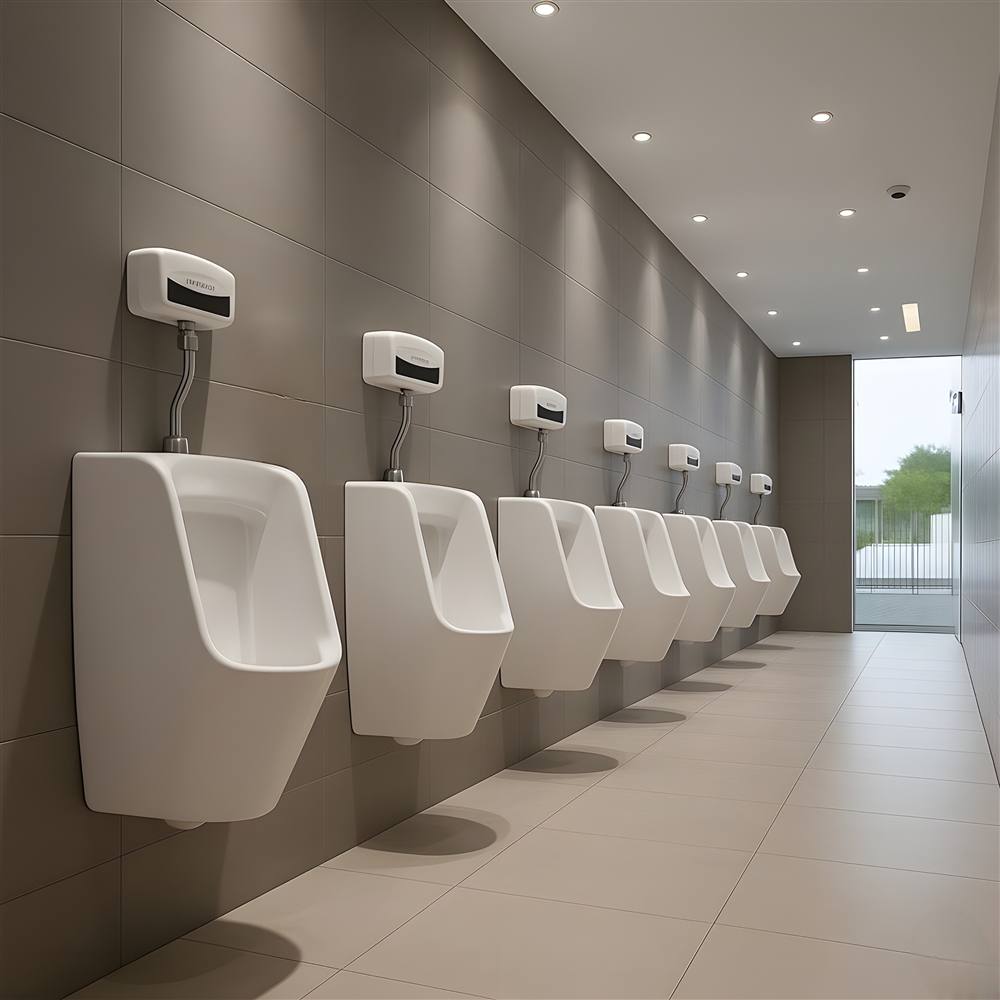
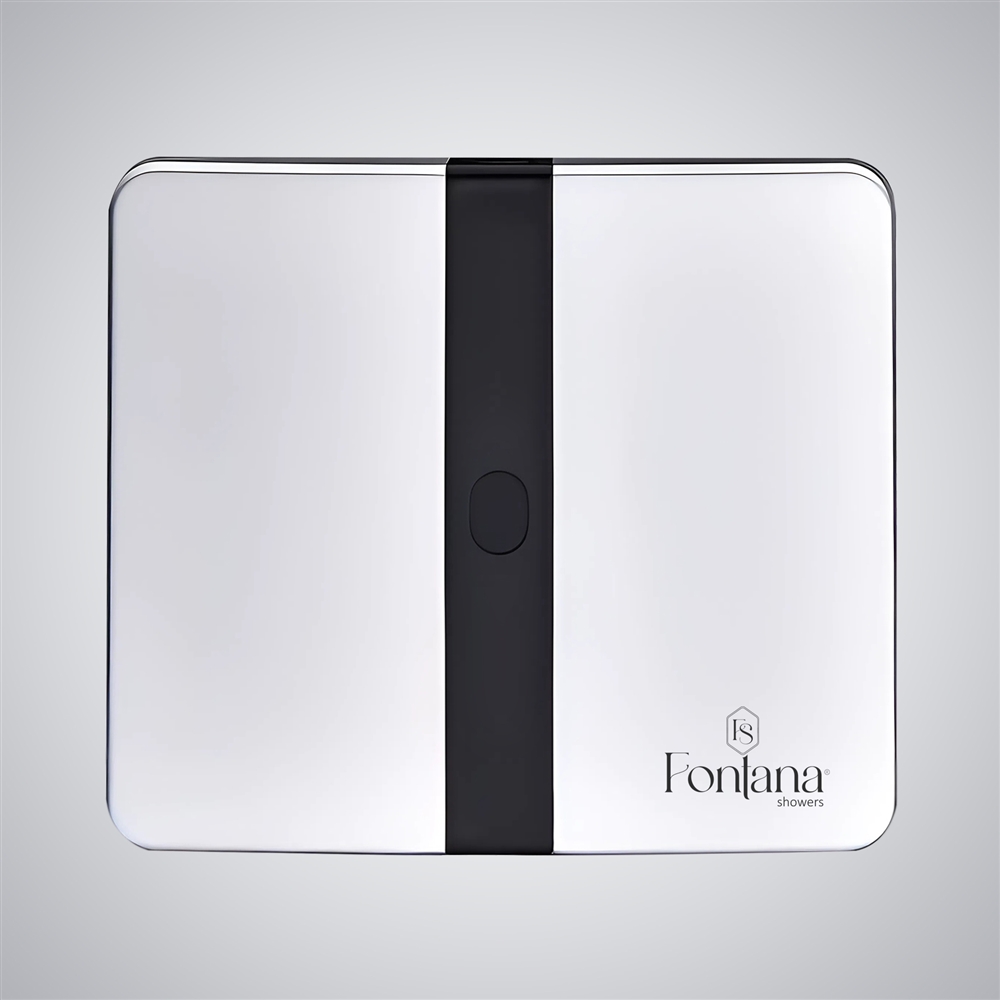
EPA WaterSense guidance for commercial flushometer-valve toilets emphasizes both water efficiency and performance testing. WaterSense labeled flushometer-valve toilets are evaluated for mixed media flushability, bowl surface cleaning, drainline waste transport, waste extraction, and minimum flush volume. This is important because water conservation should not create maintenance problems downstream.
Design Case Reference
Office Retrofit Example
Read More Read Less
Accessibility Coordination
ADA and User Reach
Read More Read Less
Flush valves and related plumbing should also be coordinated so they do not interfere with rear grab bars or required clearances. For architects, this means restroom elevations should show the valve body, sensor, manual override, grab bars, toilet paper dispenser, partition panels, and accessories together rather than as separate details.
Specification Detail
What to Include in the Spec
A strong auto flush valve specification reduces substitutions that look acceptable on paper but create performance or maintenance problems later.
Read More Read Less
Installation Sequence
Clean Installation Steps
Read More Read Less
Common Mistakes
Problems to Avoid
| Mistake | Result | Better Approach |
|---|---|---|
| Specifying valve only by finish and flush volume. | Missing power, sensor, override, compliance, and service requirements. | Use a complete performance-based specification. |
| Ignoring water pressure at remote fixtures. | Weak flushes during peak use or upper-floor demand. | Calculate pressure loss and verify actual operating conditions. |
| Hiding service components behind finished walls. | Expensive repairs and damaged finishes. | Show access panels and service zones on drawings. |
| Choosing battery power without a replacement plan. | Unexpected outages and user complaints. | Create a battery schedule and label valves by location. |
| Reducing flush volume without reviewing drainlines. | Higher blockage risk in some existing buildings. | Match flush volume to fixture performance and drainage conditions. |
Maintenance Plan
Long-Term Facility Care
Auto flush valves perform best when facility teams treat them as maintainable assets, not disposable accessories. Each valve should have a known location, model number, flush volume, power type, installation date, and spare parts path. Restrooms with heavy traffic should receive more frequent inspections than lightly used office restrooms.
Monthly
Inspect activation, sensor window condition, leakage, unusual noise, and visible damage.
Quarterly
Review complaint logs, battery condition, stop access, flush consistency, and restroom peak-use performance.
Annually
Review spare parts, update product records, inspect water hammer issues, and confirm training procedures.
Quick Decision Chart
Best-Fit Selection Matrix
| Project Type | Recommended Valve Direction | Why | Extra Review |
|---|---|---|---|
| New Airport or Stadium | Hardwired sensor flush valves with vandal-resistant construction. | High traffic demands predictable power and durable components. | Peak demand, chase access, and spare parts inventory. |
| Office Retrofit | Battery-operated exposed sensor valves. | Lower construction disruption and easier fixture-by-fixture replacement. | Battery schedule and existing pressure verification. |
| Healthcare Restroom | Touchless valve with strong cleaning compatibility and manual override. | Supports hygiene goals and operational resilience. | Cleaning chemicals, user reach, and maintenance access. |
| Luxury Hotel Public Restroom | Concealed or refined exposed valve with quiet operation and clean finish. | Protects design quality while supporting hands-free use. | Access panels, sound, and visual alignment. |
| School or University | Vandal-resistant exposed or concealed sensor valves. | Durability and fast maintenance are critical. | Abuse resistance, parts availability, and shutoff access. |
Final Takeaway
Specify for the Building, Not Just the Fixture
The best auto flush valve installation is the one that works with the building’s water supply, restroom layout, accessibility requirements, maintenance capacity, and traffic level. Architects protect the design by coordinating clearances and access early. Facility managers protect long-term performance by reviewing power, parts, cleaning, and commissioning before the restroom opens.
When both teams collaborate, automatic flush valves can support cleaner restrooms, better water control, fewer touchpoints, and more reliable commercial restroom operations.
Reference Links
Authority Sources
Use these external references for code review, accessibility coordination, water-efficiency research, and professional plumbing design context.