
Best Commercial Restroom Technologies
Modern public restrooms are no longer designed around fixtures alone. They are designed around fewer hand contacts, cleaner traffic flow, lower service calls, better water control, and a maintenance plan that facility teams can actually manage.
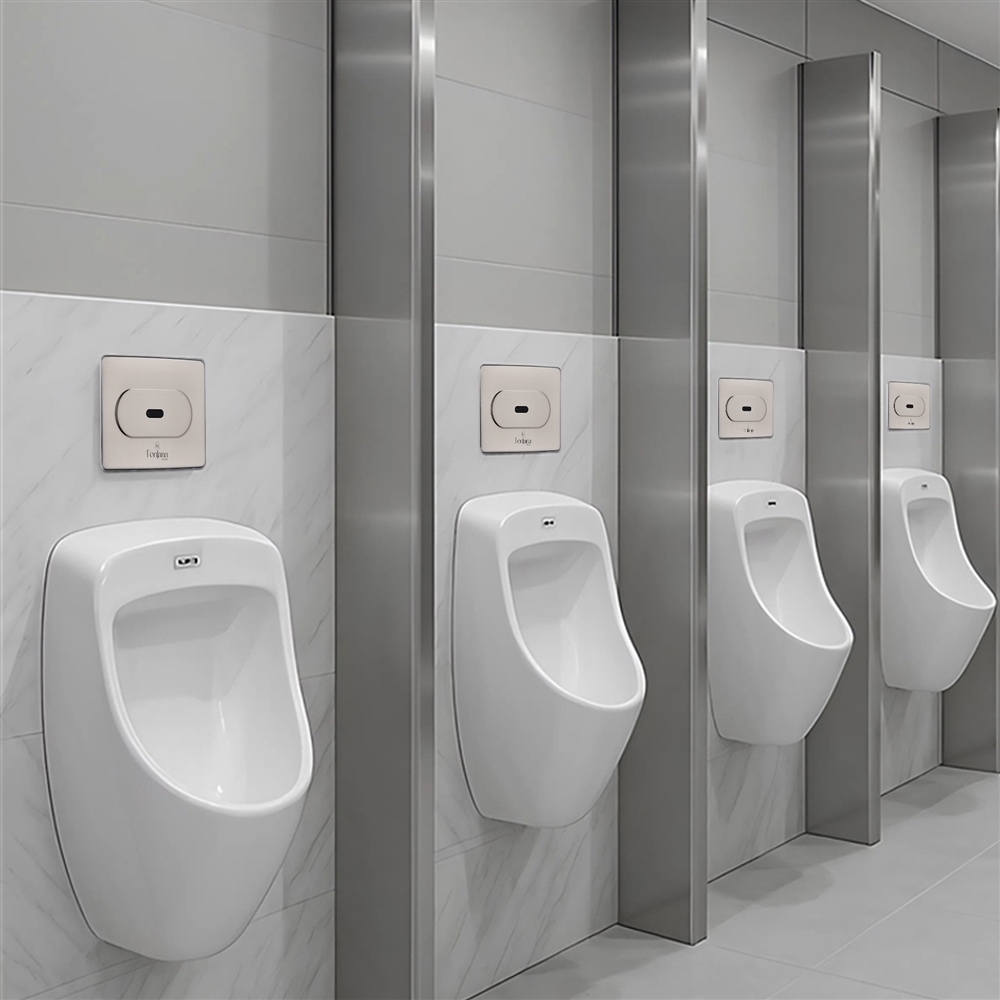
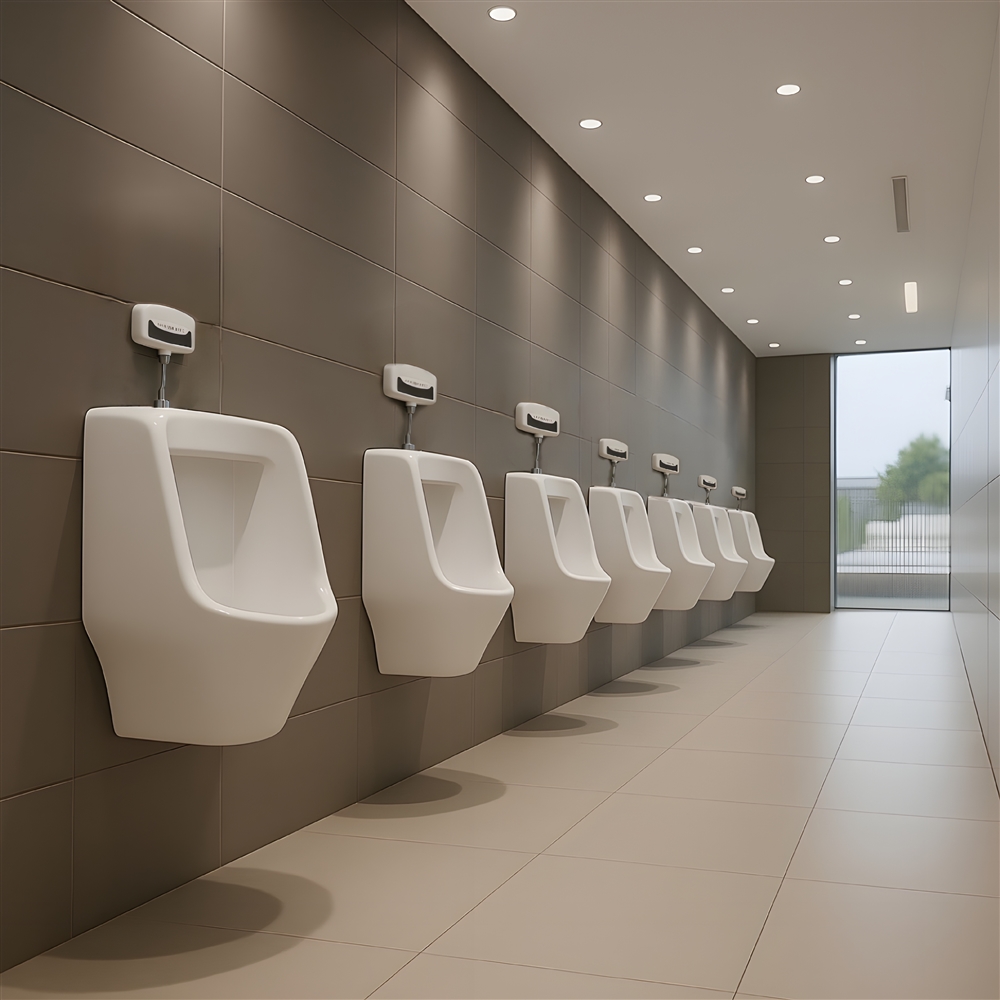
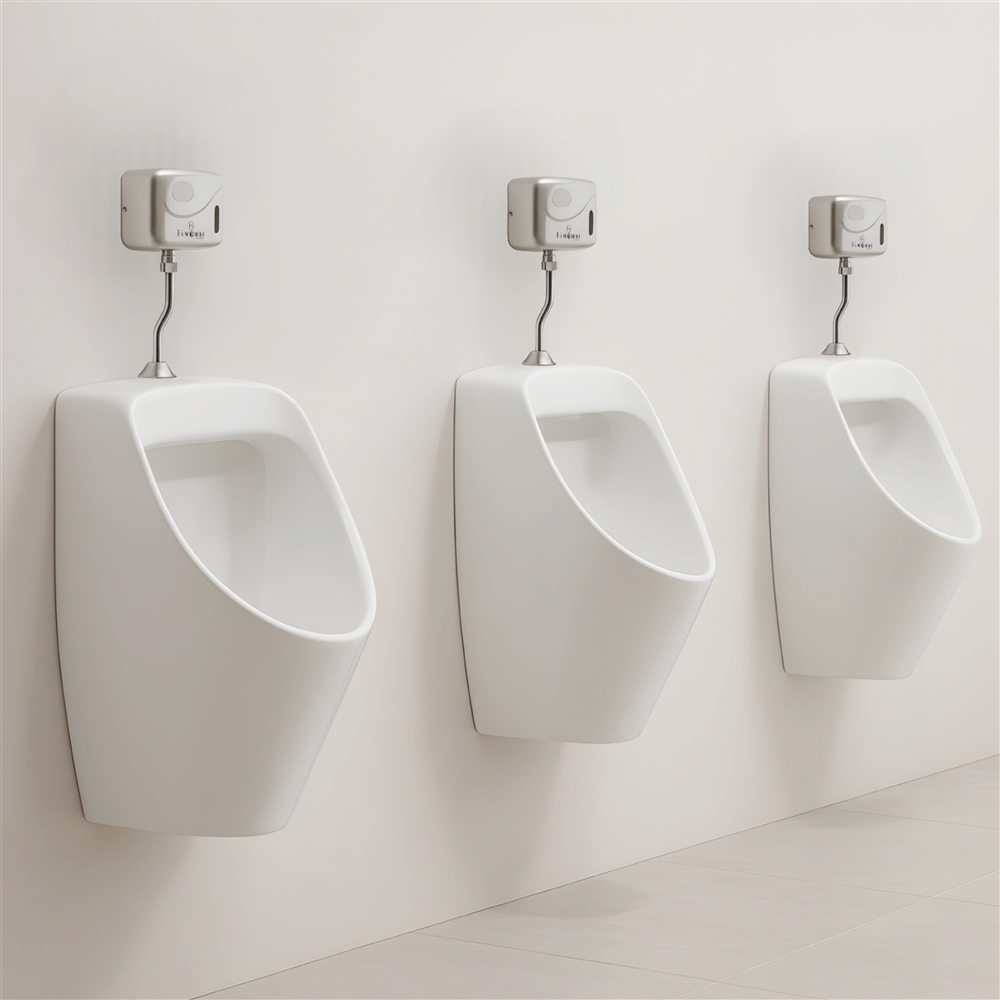
Commercial urinal installation with concealed sensor controls
Why Touchpoint Reduction Matters
In offices, airports, healthcare buildings, schools, stadiums, restaurants, and hospitality properties, the restroom is one of the most visited shared spaces. Every flush handle, faucet lever, soap pump, door pull, trash lid, and towel dispenser becomes part of the daily contact chain.
Reducing touchpoints does not mean making a restroom complicated. The best approach is practical: replace high-contact controls with reliable automatic systems, keep water use predictable, make refills easier to monitor, and select fixtures that support simple cleaning routines.
Commercial Restroom Technologies to Consider
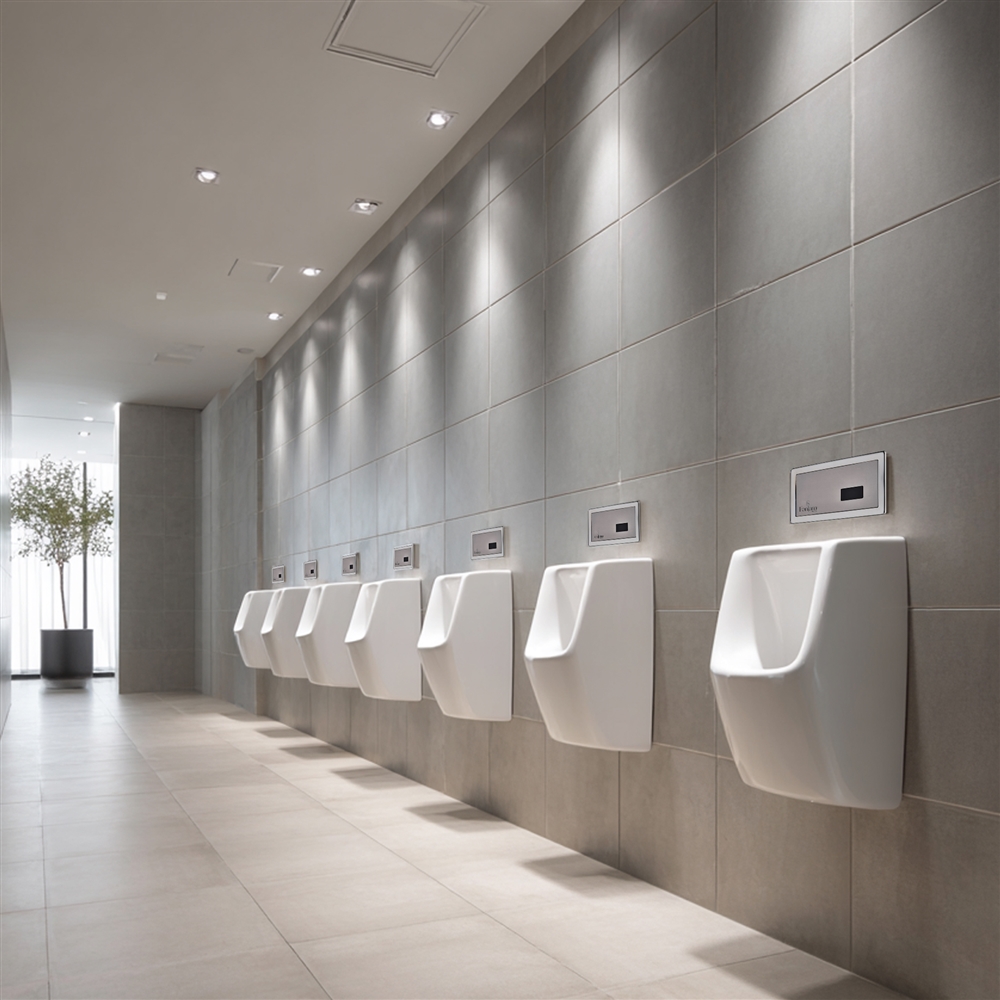
The following technologies offer the strongest balance between hygiene, user experience, and maintenance control in commercial restroom environments.
Automatic Flush Valves
Sensor-operated flush valves reduce contact with manual handles and help keep toilet and urinal areas cleaner between service cycles. They are especially useful in high-traffic restrooms where manual flushing is often skipped.
Sensor Faucets
Automatic faucets limit hand contact, control run time, and help prevent faucets from being left on. In public lavatories, low-flow sensor faucets can support water efficiency without depending on user behavior.
Automatic Soap Dispensers
Touch-free soap delivery removes the need to press a shared pump. Bulk-fill or cartridge systems can reduce refill frequency when selected around traffic volume and maintenance staffing.
Smart Refill Monitoring
Connected dispensers, towel systems, and restroom sensors can alert teams before supplies run out. This is valuable in airports, offices, universities, malls, and stadiums where empty dispensers quickly affect user satisfaction.
Hands-Free Drying
Automatic hand dryers or touchless towel dispensers complete the handwashing sequence without requiring users to touch a crank, lever, or shared dispenser surface.
Antimicrobial Surfaces
Durable surfaces, smooth partitions, sealed counters, and easy-clean accessories help housekeeping teams remove soil faster. These materials work best as part of a cleaning program, not as a replacement for one.
Technology Impact Overview
This overview compares common commercial restroom upgrades by touchpoint reduction, maintenance value, user convenience, and specification complexity.
Read More Read Less
This is a specification-planning overview, not a laboratory hygiene claim. Final performance depends on traffic, cleaning frequency, product quality, installation, power source, and maintenance discipline.
Comparison Table
Facility managers should compare restroom technologies by more than upfront price. The better question is how each system affects touchpoints, water use, refill labor, cleaning time, and service access.
| Technology | Primary Benefit | Maintenance Impact | Best Location |
|---|---|---|---|
| Automatic flush valves | Reduces contact with toilet and urinal flush handles | Requires battery, hardwired, or turbine power planning | Airports, offices, schools, stadiums, hospitals |
| Sensor faucets | Controls water run time and removes handle contact | Requires sensor calibration and clean aerators | Public lavatories and employee restrooms |
| Automatic soap dispensers | Supports hands-free handwashing sequence | Requires refill planning and battery checks | All commercial handwashing stations |
| Touchless towel or dryer systems | Reduces contact after washing hands | Requires supply or filter maintenance | Restrooms with high handwashing volume |
| Smart occupancy and refill sensors | Improves janitorial response and stock control | Requires dashboard setup and staff workflow | Large campuses and multi-restroom facilities |
Technical Specification Guide
A successful commercial restroom upgrade starts with the specification. Before selecting products, confirm the plumbing layout, fixture count, expected traffic, water pressure, power source, accessibility requirements, and maintenance access.
Flush Valve Planning
- Match flushometer valve volume with the toilet or urinal fixture.
- Confirm rough-in dimensions, inlet size, and existing stop condition.
- Choose battery, hardwired, or self-generating power based on service access.
- Use vandal-resistant housings for schools, arenas, and transit facilities.
Faucet Planning
- Confirm flow rate, aerator type, and stream landing position.
- Check lavatory depth to reduce splash and counter cleanup.
- Use mixing valves where temperature control is required.
- Confirm accessibility clearances and reach ranges after installation.
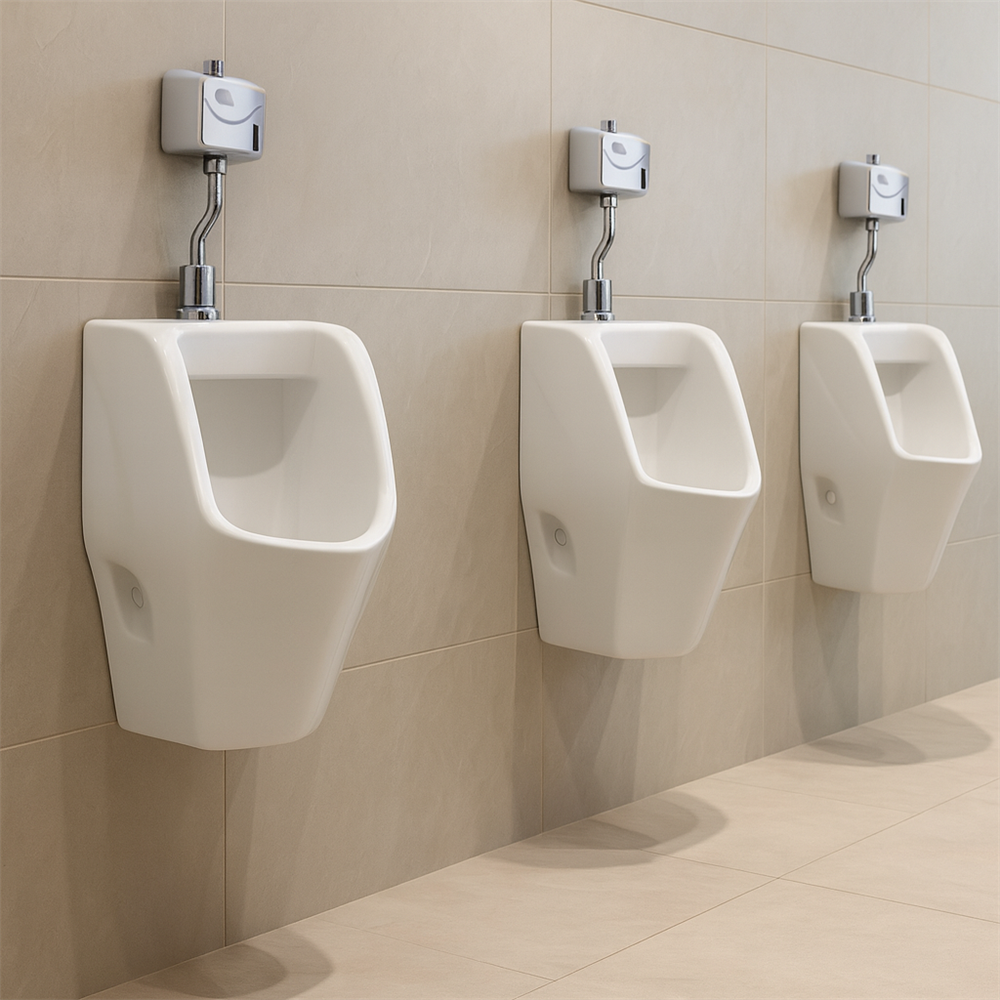
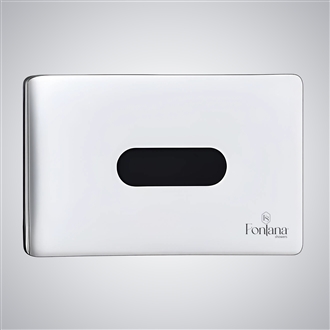
Restroom Fixture Image References
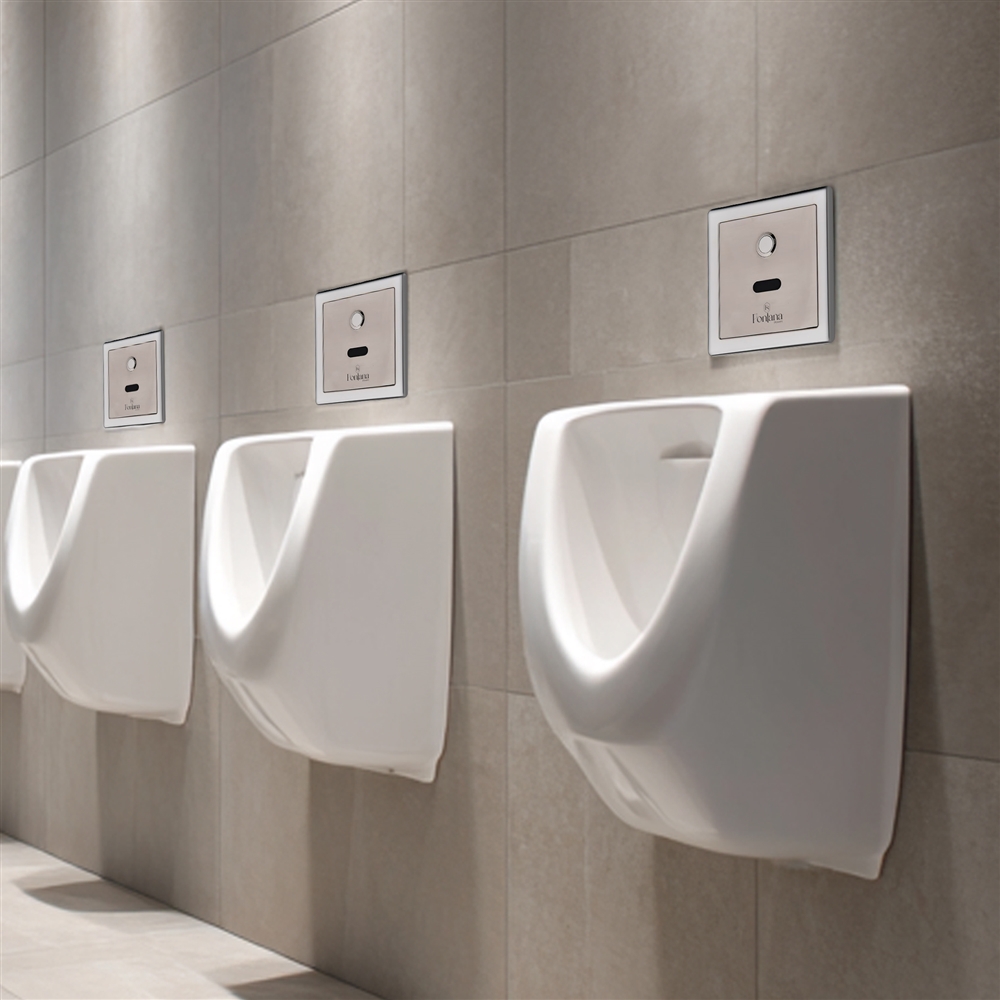
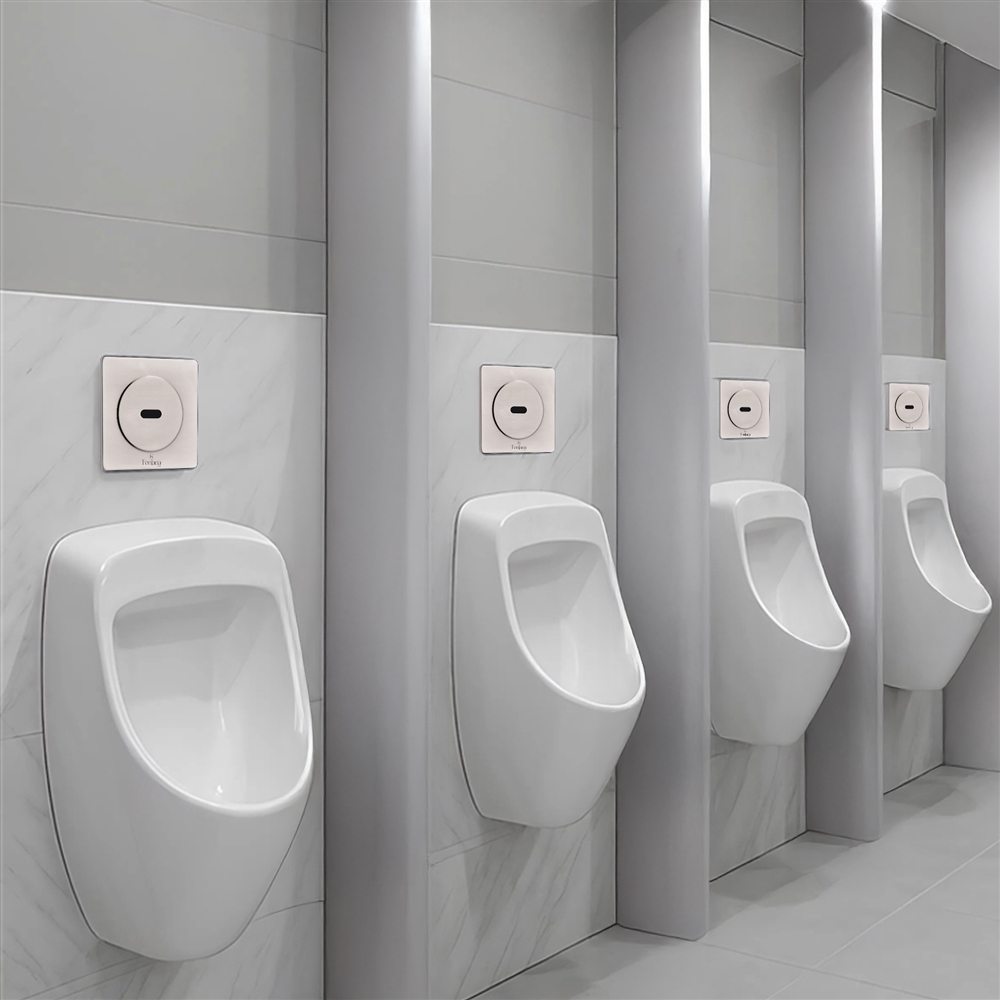
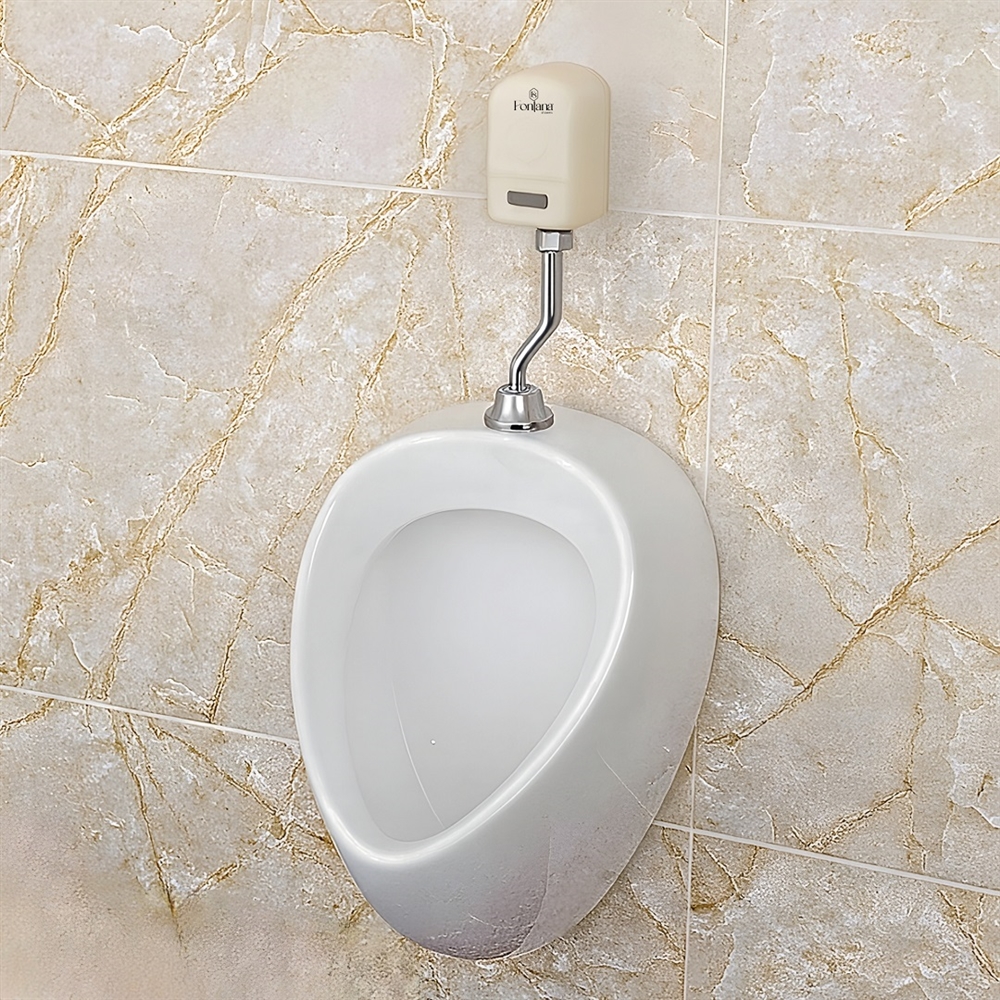
These collection images illustrate automatic flush valve technology, touchpoint reduction, and specification-focused commercial restroom design.
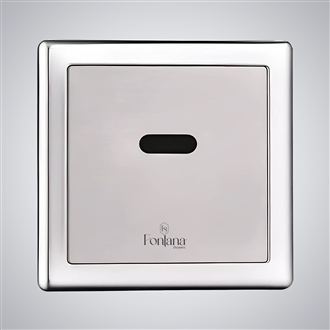
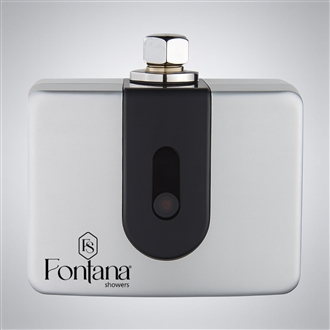
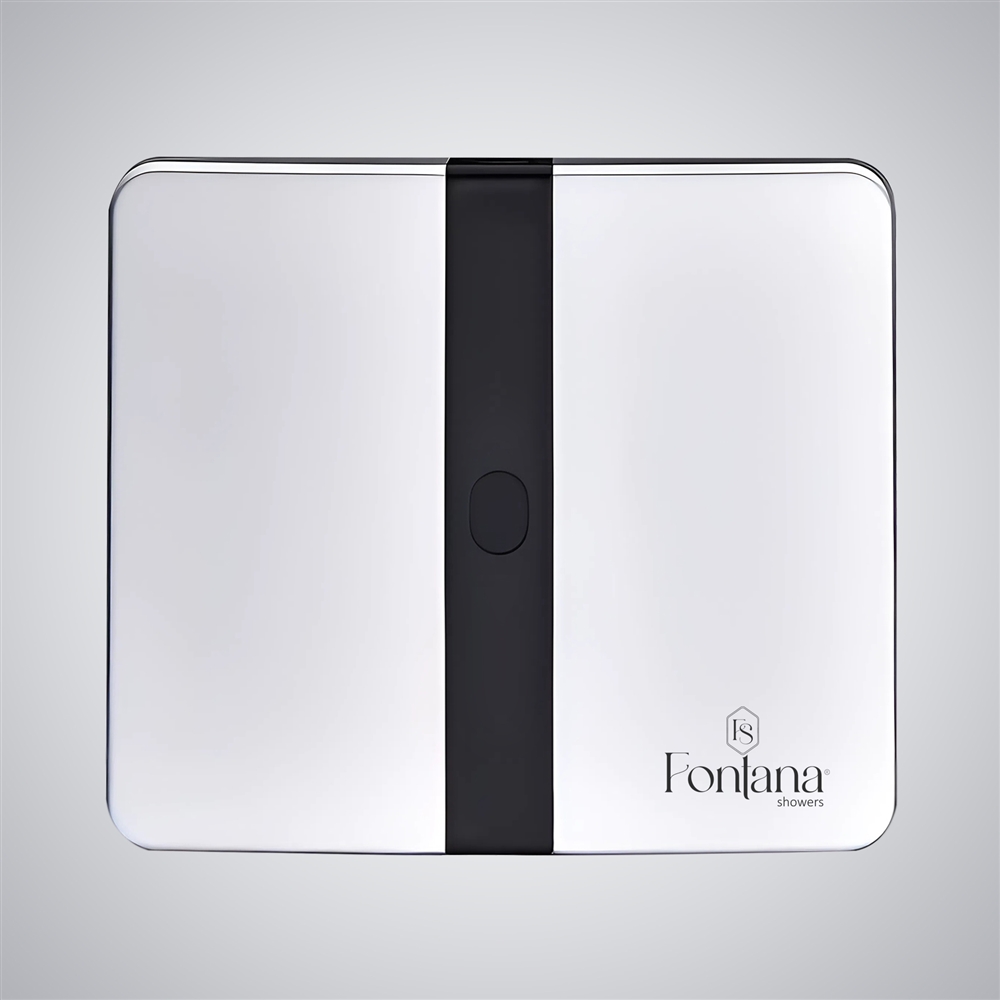
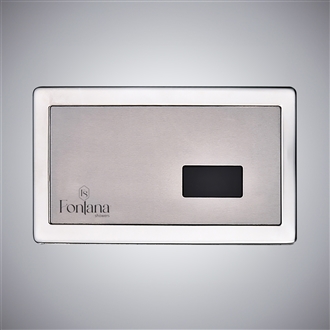
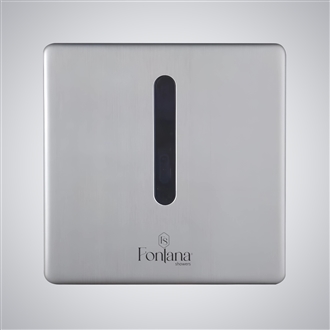
Concealed Sensor Flush Control
This flush-control image supports discussions of automatic operation, fewer shared handle contacts, and serviceable commercial restroom upgrades.
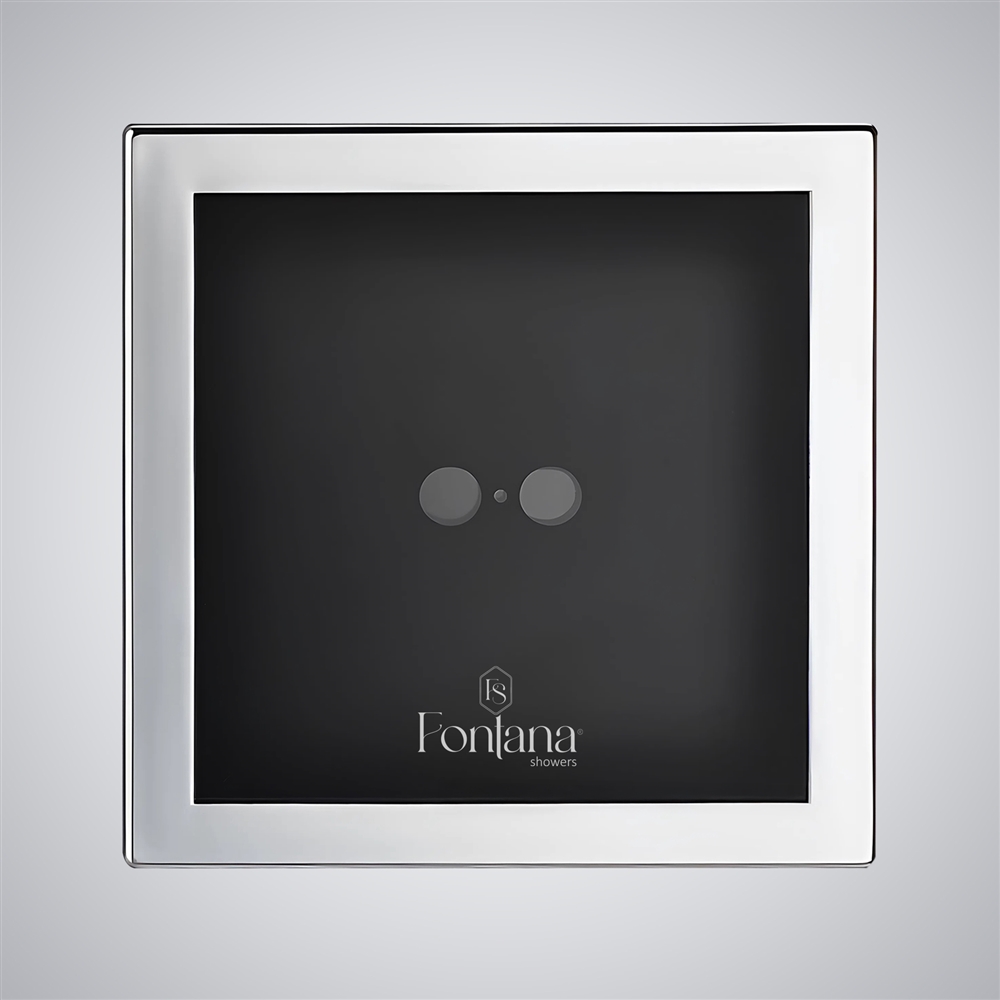
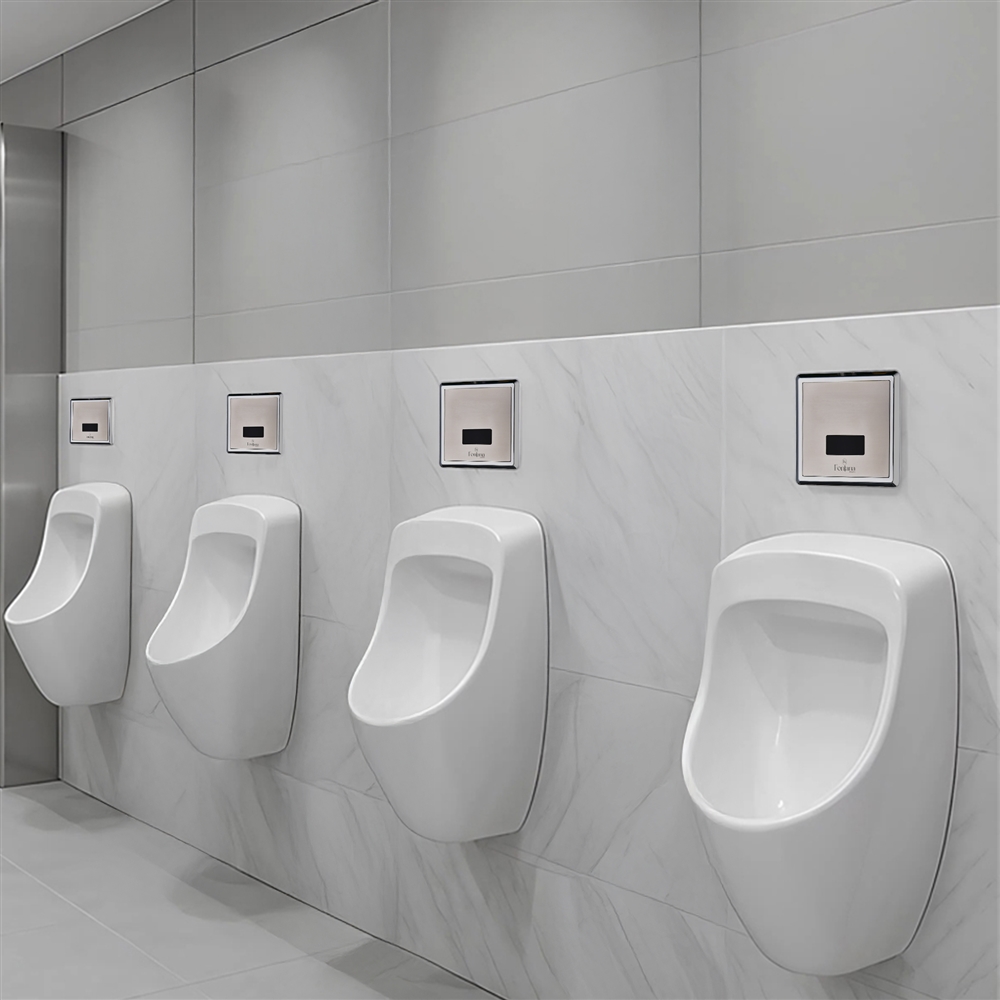
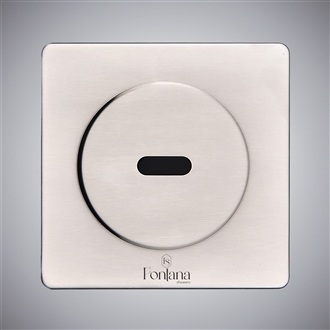
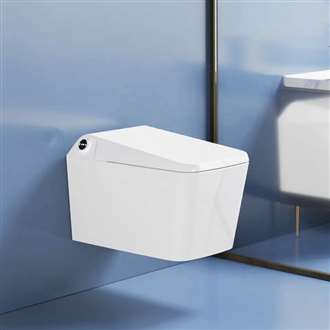
Design-Focused Automatic Flush Plate
This image supports hospitality, office, and high-end commercial restroom sections where finish coordination matters as much as the technology.
Case Example: Busy Office Tower
Consider a multi-floor office tower with shared restrooms on each level. Before upgrading, the maintenance team receives repeated complaints about empty soap, running faucets, missed flushes, and visible soil near manual flush handles.
The building upgrades the highest-traffic floors first. Automatic flush valves are installed at toilets and urinals. Sensor faucets and automatic soap dispensers are paired at each lavatory. The team also adds a refill inspection checklist for soap, towels, batteries, and visible leaks.
Maintenance Checklist
Touchless products reduce direct user contact, but they still need a simple maintenance routine. The best systems are designed so staff can inspect, clean, and service them without special tools or complicated troubleshooting.
Read More Read Less
Best Applications
Touchless restroom technologies are useful in nearly every commercial setting, but the strongest return usually appears in buildings with repeated daily use, high visitor turnover, and limited cleaning windows.
Airports
Large passenger volume makes touchless flush, faucet, soap, and drying systems valuable for both user flow and janitorial response.
Healthcare
Hospitals and clinics benefit from hands-free handwashing stations, careful sink placement, and water management awareness.
Education
Schools and universities need durable fixtures, vandal-resistant covers, and simple maintenance access for busy restrooms.
Hospitality
Hotels, resorts, and restaurants can use touchless systems to create a cleaner guest impression with fewer visible contact points.
Offices
Corporate buildings benefit from lower faucet misuse, better supply planning, and a more modern restroom experience.
Stadiums
Event venues need fixtures that perform during intense traffic spikes and remain easy to inspect after each event.
What to Avoid
Not every touchless upgrade is automatically a good upgrade. Poor sensor placement, weak installation, low-quality batteries, difficult refill systems, and mismatched flush valve volumes can create more maintenance problems than they solve.
Read More Read Less
- Avoid mismatched fixtures: Flush valve volume must work with the bowl or urinal design.
- Avoid hard-to-service products: Staff should be able to access batteries, filters, cartridges, and covers quickly.
- Avoid ignoring splash: Faucet stream position and basin shape affect cleaning labor.
- Avoid single-product thinking: The restroom works as a system: flush, wash, soap, dry, clean, inspect, and restock.
Specification Summary
For most commercial restrooms, the strongest upgrade package includes automatic flush valves, sensor faucets, automatic soap dispensers, and a maintenance checklist that tracks supply levels, sensor performance, batteries, water use, and recurring service issues.
| Goal | Recommended Technology | Specification Note |
|---|---|---|
| Reduce toilet-area touchpoints | Automatic flush valves | Confirm flush volume, power source, vandal resistance, and fixture compatibility. |
| Reduce sink-area touchpoints | Sensor faucets and automatic soap | Plan stream landing, soap capacity, mounting height, and refill access. |
| Control water use | Low-flow faucets and efficient flush fixtures | Review WaterSense, local plumbing code, and project performance requirements. |
| Improve maintenance response | Smart refill and occupancy monitoring | Use only where staff can act on alerts and track service history. |
FAQ
What is the best touchless technology for a commercial restroom?
Automatic flush valves, sensor faucets, and automatic soap dispensers are usually the most important starting points because they address the highest-contact user actions: flushing, handwashing, and soap dispensing.
Do touchless fixtures reduce maintenance?
They can reduce certain maintenance problems, such as faucets left running or manual handles receiving heavy wear. However, they also introduce service needs such as battery checks, sensor cleaning, and occasional calibration.
Are automatic flush valves worth it?
In high-traffic restrooms, automatic flush valves are often worth considering because they reduce handle contact and help maintain consistent flushing behavior. The key is selecting the correct valve volume, power option, and vandal-resistant design for the facility.
What should facility managers check before upgrading?
Facility managers should review existing plumbing, fixture compatibility, traffic level, power availability, accessibility requirements, water efficiency goals, maintenance staffing, and expected refill frequency.
Reference Sources
These references support the technical direction of this guide, including water efficiency, hand hygiene, accessibility, sanitation requirements, and building water system risk management.
Build a Cleaner Restroom System
The best commercial restroom technology plan starts with the fixtures people touch most and the service issues staff handle most often. Start with automatic flush valves, sensor faucets, automatic soap, and a clear maintenance checklist.