
How Programmed Flushing Helps Reduce Water Stagnation
Programmed flushing uses timed, controlled water movement to help keep building plumbing active during low-use periods. For offices, schools, healthcare support spaces, hotels, and public facilities, it can support a stronger water management plan by reducing stagnant zones, refreshing water at fixtures, and making restroom maintenance more predictable.
Why Stagnant Water Matters
Building plumbing is different from a city water main. Once water enters a property, it may pass through long pipe runs, branch lines, restroom groups, mechanical rooms, storage tanks, valves, mixing devices, and low-use fixtures before it reaches the final outlet. When demand is low, water can remain inside those lines longer than intended.
That extra “water age” can affect temperature stability, disinfectant residual, sediment movement, and biofilm conditions. CDC guidance for potable building water systems identifies sediment and biofilm, temperature, water age, and disinfectant residual as key factors that influence Legionella growth risk. Programmed flushing does not replace a formal water management program, but it can be a practical control method inside one.

Read More Read Less
What Programmed Flushing Does
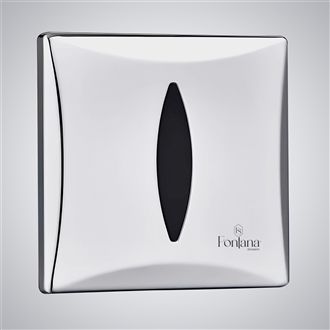
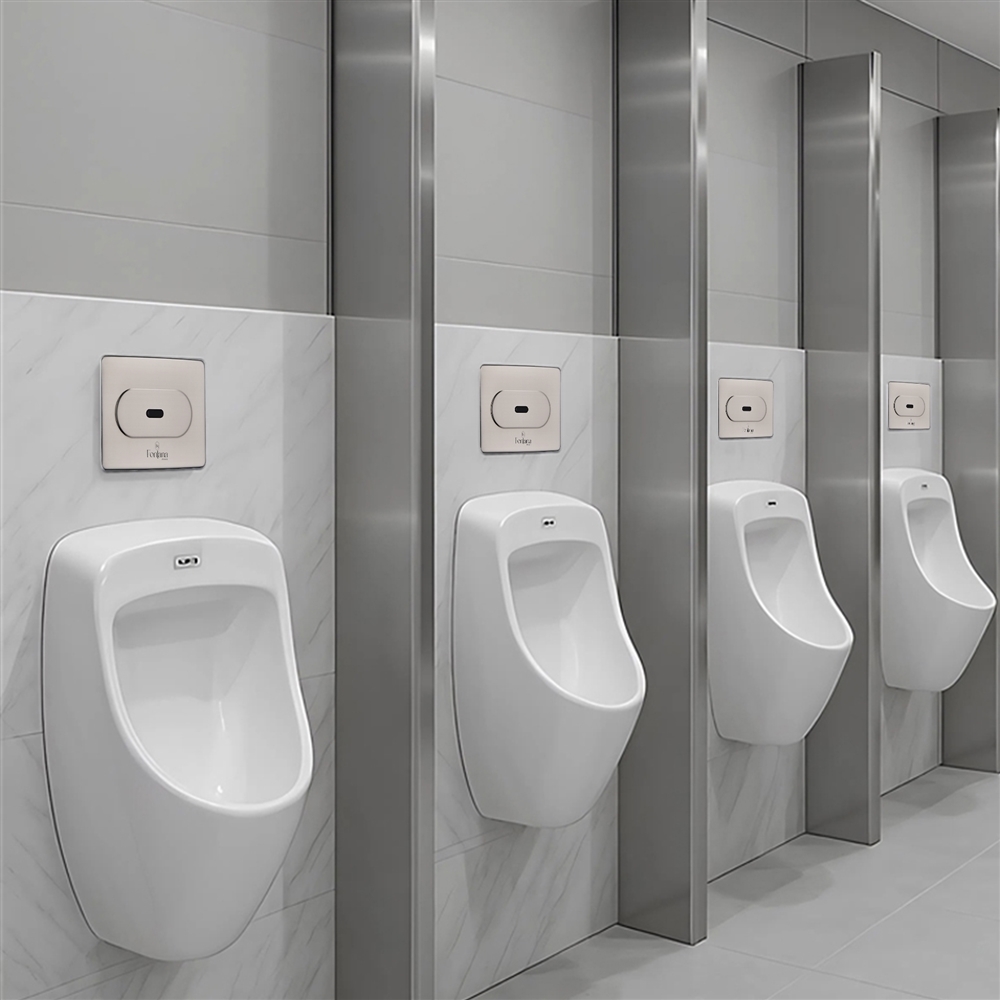
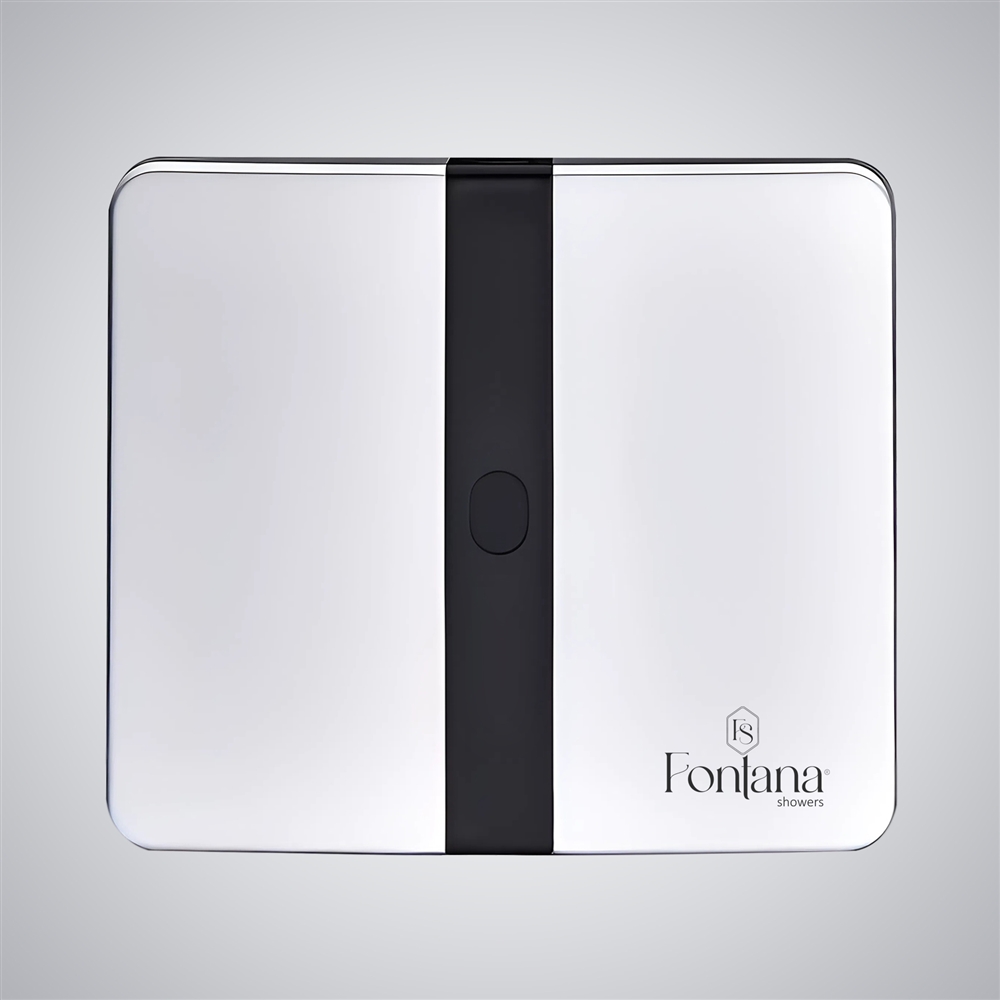
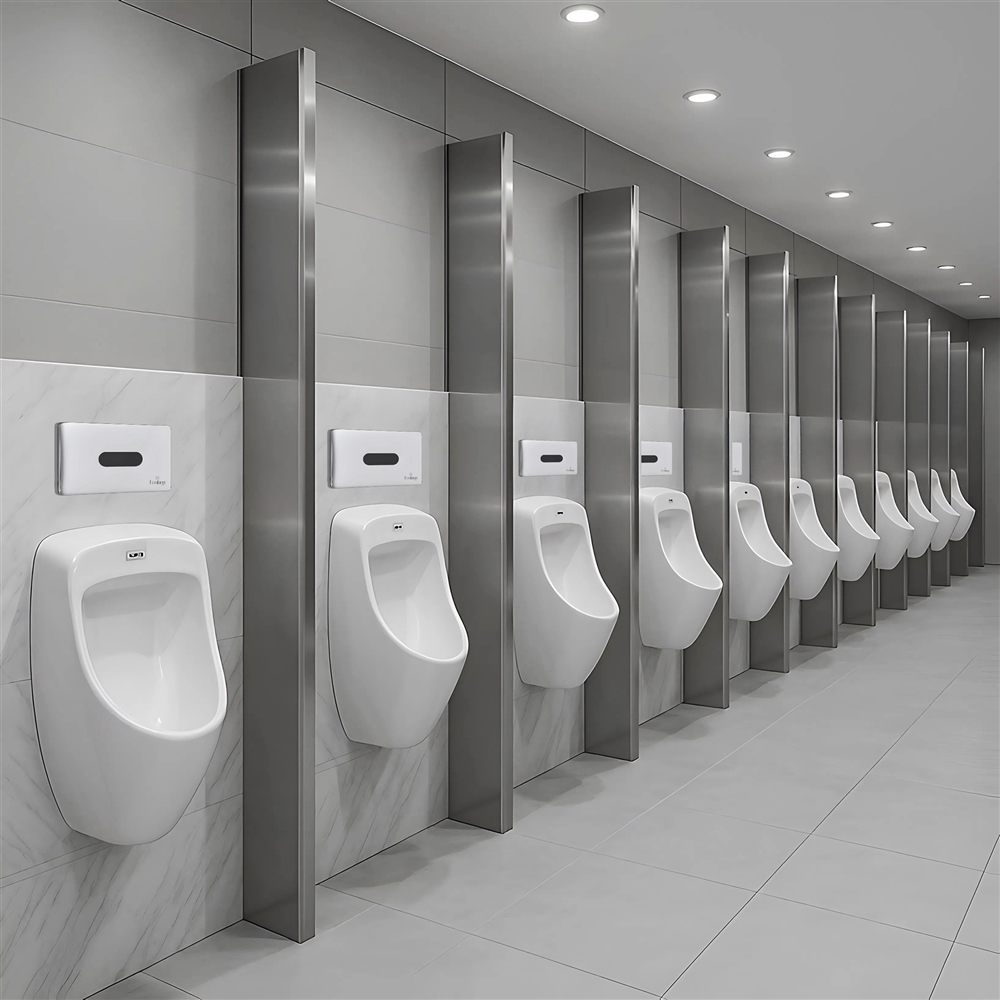
Programmed flushing is the automatic activation of selected plumbing fixtures or valves at planned intervals. In a commercial restroom, this may involve automatic flush valves, sensor-operated fixtures, or a control routine that runs at specific times when normal use is too low to refresh the branch line.
The goal is not to waste water. The goal is to move the right amount of water at the right location and time. A well-designed schedule considers pipe volume, fixture type, occupancy pattern, water temperature, code requirements, and the building’s water management plan.
Important: Programmed flushing should be coordinated with qualified plumbing, engineering, water-treatment, or facility professionals. It should support—not replace—temperature control, disinfectant monitoring, dead-leg reduction, maintenance logs, and water quality testing where required.
Where It Helps Most
Programmed flushing is most useful where building use is uneven. A front lobby restroom may flush all day, while a training-floor restroom, back-of-house toilet room, or seasonal amenity space may sit unused for long stretches. Those low-flow zones are where automatic scheduling can provide added control.
| Building Area | Common Stagnation Trigger | Programmed Flushing Role | What to Verify |
|---|---|---|---|
| Office restrooms | Hybrid work, weekends, closed floors | Refreshes fixture branches during low-traffic periods | Flush volume, frequency, and water temperature |
| Schools and universities | Breaks, holidays, unused wings | Keeps remote restrooms in a documented routine | Seasonal startup plan and maintenance logs |
| Hotels and hospitality | Vacant rooms, event spaces, seasonal occupancy | Supports low-use zone water movement between guest cycles | Guest-room fixture plan and housekeeping coordination |
| Healthcare support spaces | Intermittent exam rooms, staff areas, storage wings | Adds scheduled use where manual flushing is difficult | Facility water management program requirements |
| Public facilities | After-hours closures and variable traffic | Creates a repeatable baseline for restrooms and remote fixtures | Local code, metering data, and fixture performance |
Technical View: The Water Movement Chain
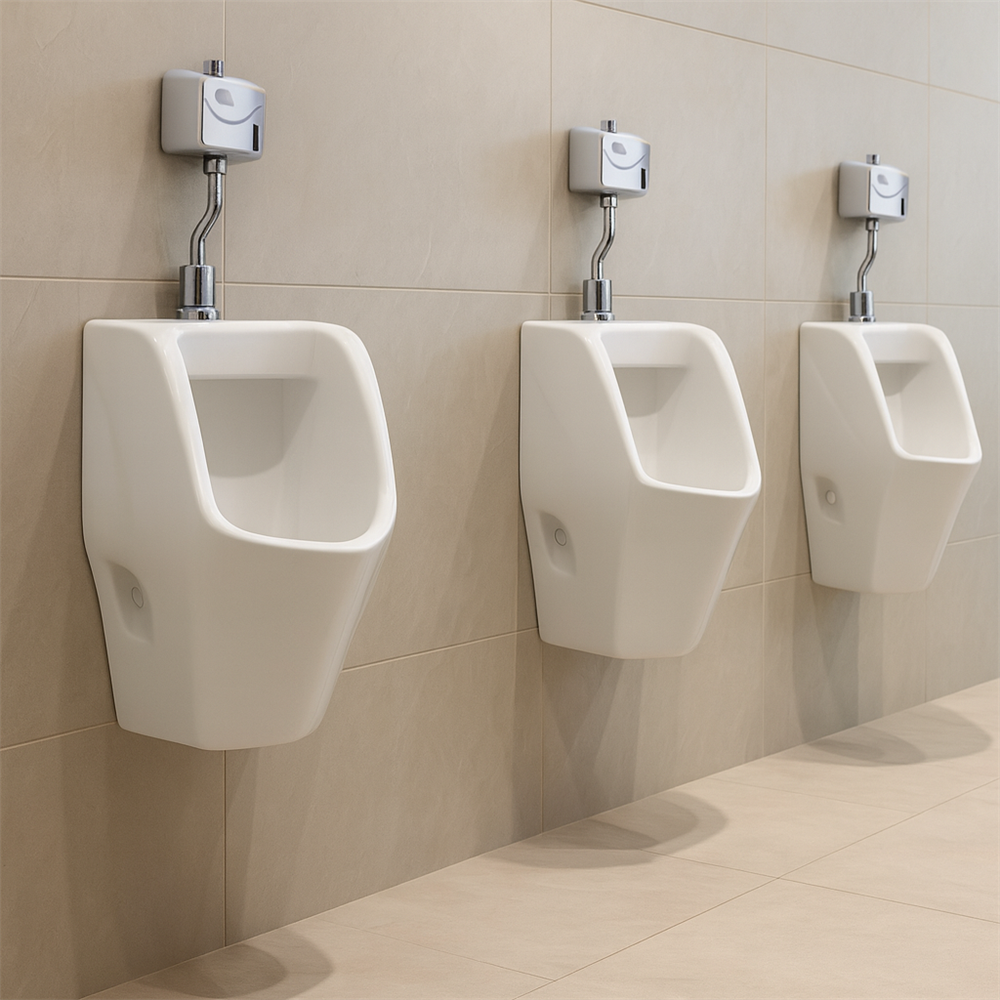
A programmed flushing plan works best when it is tied to the actual plumbing layout. Facility teams should identify the service entrance, risers, hot and cold distribution paths, remote branches, dead ends, and fixture groups. This makes the flushing routine more targeted and reduces random water use.
Read More Read Less
Sample Programmed Flushing Plan
The chart below is a planning reference, not a universal standard. Every building should set flushing intervals based on plumbing design, occupancy, local requirements, and water quality goals.
| Condition | Suggested Review | Programmed Flush Approach | Documentation |
|---|---|---|---|
| Low-use restroom | Weekly occupancy and fixture count | Short scheduled fixture activations during off-peak hours | Fixture group, interval, duration, maintenance check |
| Reopened floor | Pre-opening water quality plan | Manual or automatic staged flushing before regular use | Start date, flush sequence, water quality observations |
| Remote branch line | Pipe volume and distance from active main | Targeted flush long enough to move stagnant branch water | Estimated gallons, timing, fixture ID |
| Seasonal facility | Shutdown and startup procedure | Scheduled exercise during low-use periods plus reopening flush | Closure dates, inspection notes, corrective actions |
This planning table is for editorial guidance. Always confirm requirements with the authority having jurisdiction, plumbing engineer, water treatment specialist, and facility water management program.
Water Efficiency Still Matters
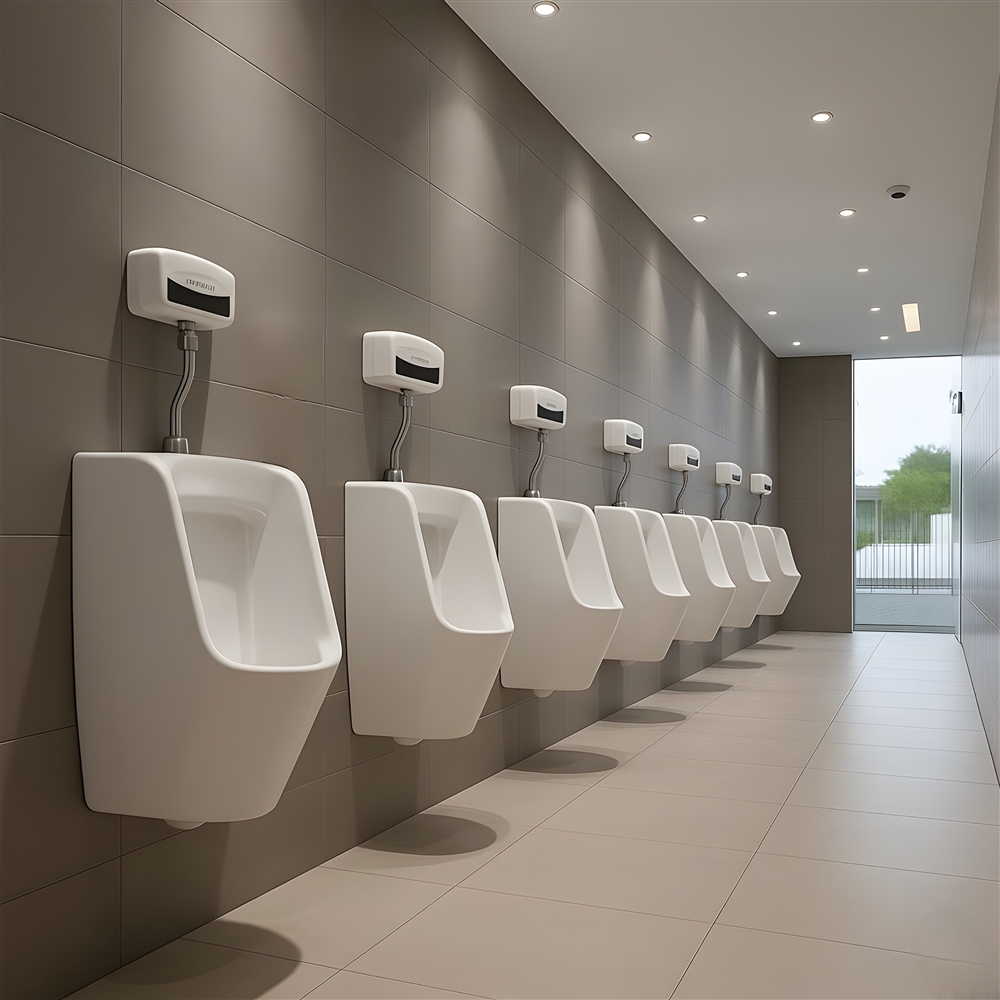
A flushing program should be controlled, measured, and efficient. High-efficiency flushometer-valve toilets and properly specified automatic flush valves can support water-conscious operation while still allowing scheduled fixture activation where needed. EPA WaterSense guidance notes that replacing old, inefficient commercial flushometer-valve toilets with WaterSense labeled models can produce large water and cost savings in commercial buildings.
The best approach is balance: avoid unnecessary water use, but do not allow critical plumbing zones to sit idle for too long. Programmed flushing should be treated as a targeted maintenance tool, not a constant-flow workaround.
Read More Read Less
Case Example: Hybrid Office Floor
A 12-story commercial office shifts to hybrid work. The lobby and first-floor restrooms remain active, but the upper floors see low traffic on Mondays, Fridays, and weekends. Building staff notice that some remote restroom groups have little fixture use for several days.
A programmed flushing plan is added to the facility maintenance routine. The team maps restroom groups, identifies remote branches, confirms fixture compatibility, and schedules short automatic flush events during low-occupancy hours. The plan is documented with fixture IDs, interval settings, and inspection notes.
Result: The facility gains a repeatable process for low-use fixture groups. The program supports water management documentation, reduces reliance on memory-based manual flushing, and helps maintenance teams focus on the fixtures most likely to sit unused.
Best Practices for Facility Teams
- Start with the water management plan. Programmed flushing should fit into the building’s broader control strategy.
- Prioritize low-use areas. Focus on remote restrooms, closed floors, seasonal zones, and long branch lines.
- Do not oversimplify. Flushing alone does not solve temperature, biofilm, disinfectant, dead-leg, or fixture maintenance issues.
- Keep the plan measurable. Record intervals, fixture locations, flow duration, inspections, and corrective actions.
- Review after occupancy changes. Hybrid work, tenant turnover, renovations, and seasonal closures can change water use patterns.
- Coordinate with professionals. Plumbing engineers, water treatment providers, and qualified facility teams should verify the schedule.
Frequently Asked Questions
Is programmed flushing the same as manual flushing?
Not exactly. Manual flushing depends on staff opening fixtures by hand. Programmed flushing uses timed fixture operation or controls to create a repeatable schedule. Many buildings use both methods.
Can programmed flushing prevent Legionella?
Programmed flushing can help reduce water age in selected plumbing zones, but it should not be described as a standalone prevention method. Legionella risk management requires a complete water management program that may include temperature control, disinfectant monitoring, system maintenance, and professional evaluation.
Does automatic flushing waste water?
A poorly planned schedule can waste water. A good program is targeted, documented, and based on fixture location, pipe volume, occupancy, and water quality goals. High-efficiency commercial fixtures can also help balance water movement and conservation.
Where should a building start?
Start by mapping low-use fixtures and remote branches. Then review the building water management plan, fixture specifications, code requirements, and maintenance resources before setting automatic flush intervals.
Source References
The following references support the technical direction of this article and can help facility teams, engineers, and building owners understand water stagnation, water management programs, and commercial fixture efficiency.