
Automatic Flush Valves
Automatic flush valves help keep commercial restrooms cleaner, easier to maintain, and more consistent in daily use. This collection highlights touch-free and sensor-based options designed for schools, retail spaces, hospitality venues, office buildings, transportation hubs, and other high-traffic environments.
Why Automatic Flush Valves Work Well in Commercial Restrooms
In busy facilities, touch-free flushing supports a cleaner user experience and helps reduce the need for direct contact with shared surfaces. That makes these valves a practical fit for projects where hygiene, durability, and reliable daily performance matter.
Exposed and service-friendly designs also help maintenance teams move faster during inspection and routine upkeep. For property owners and facility managers, that means less disruption and a more dependable restroom environment over time.
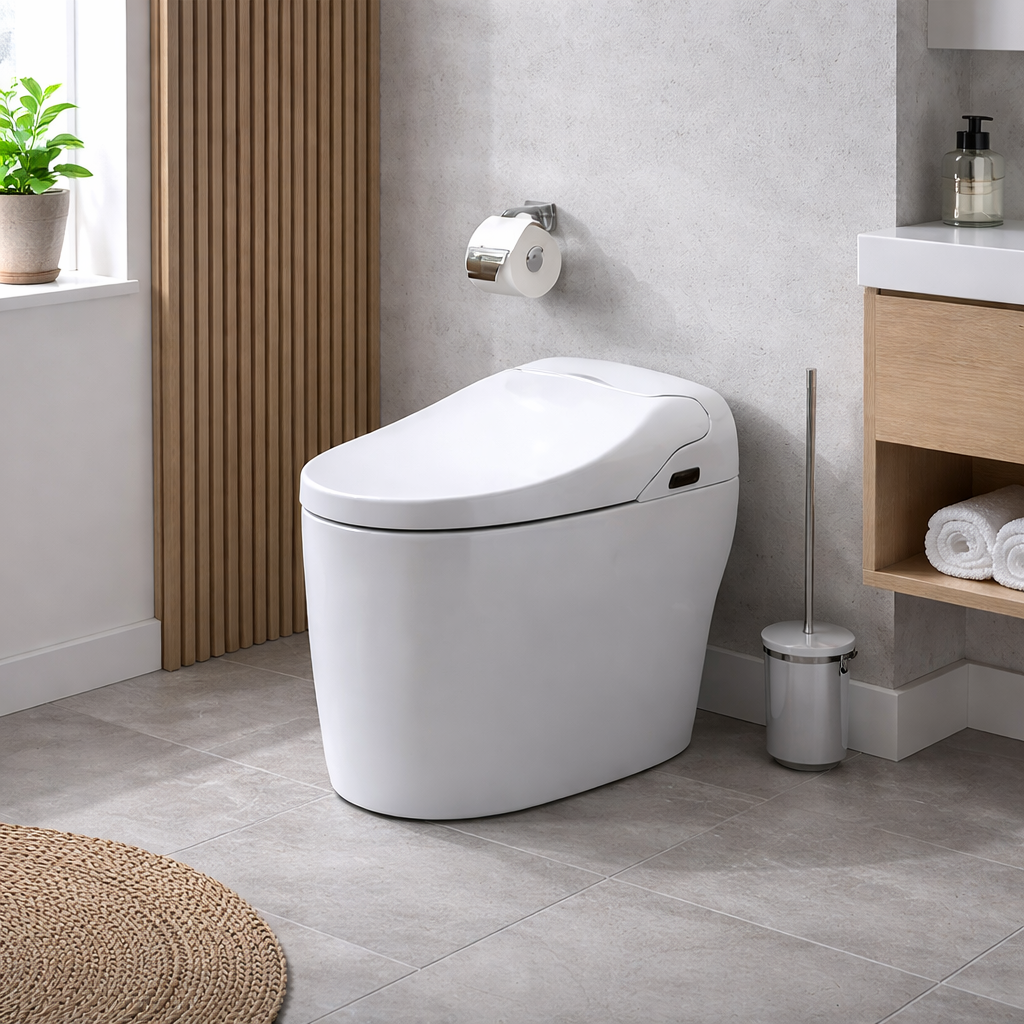
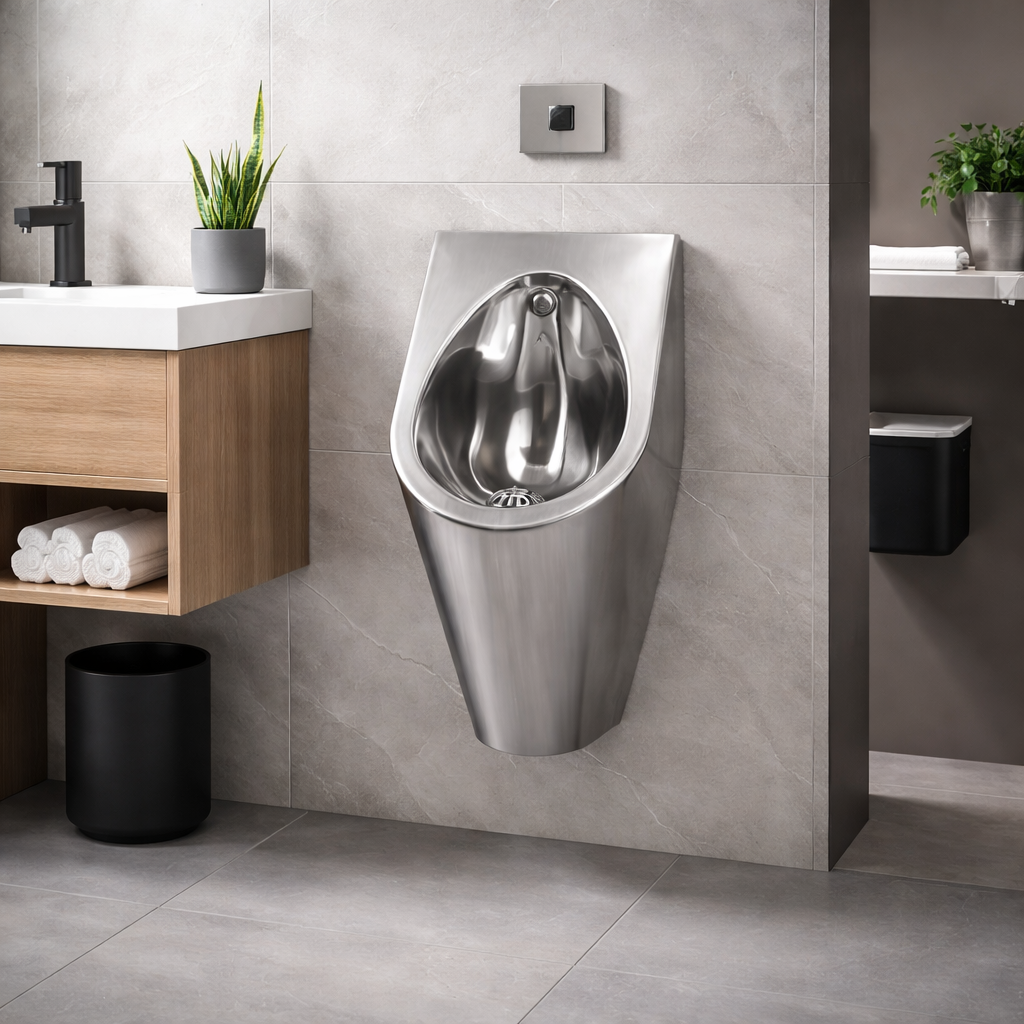
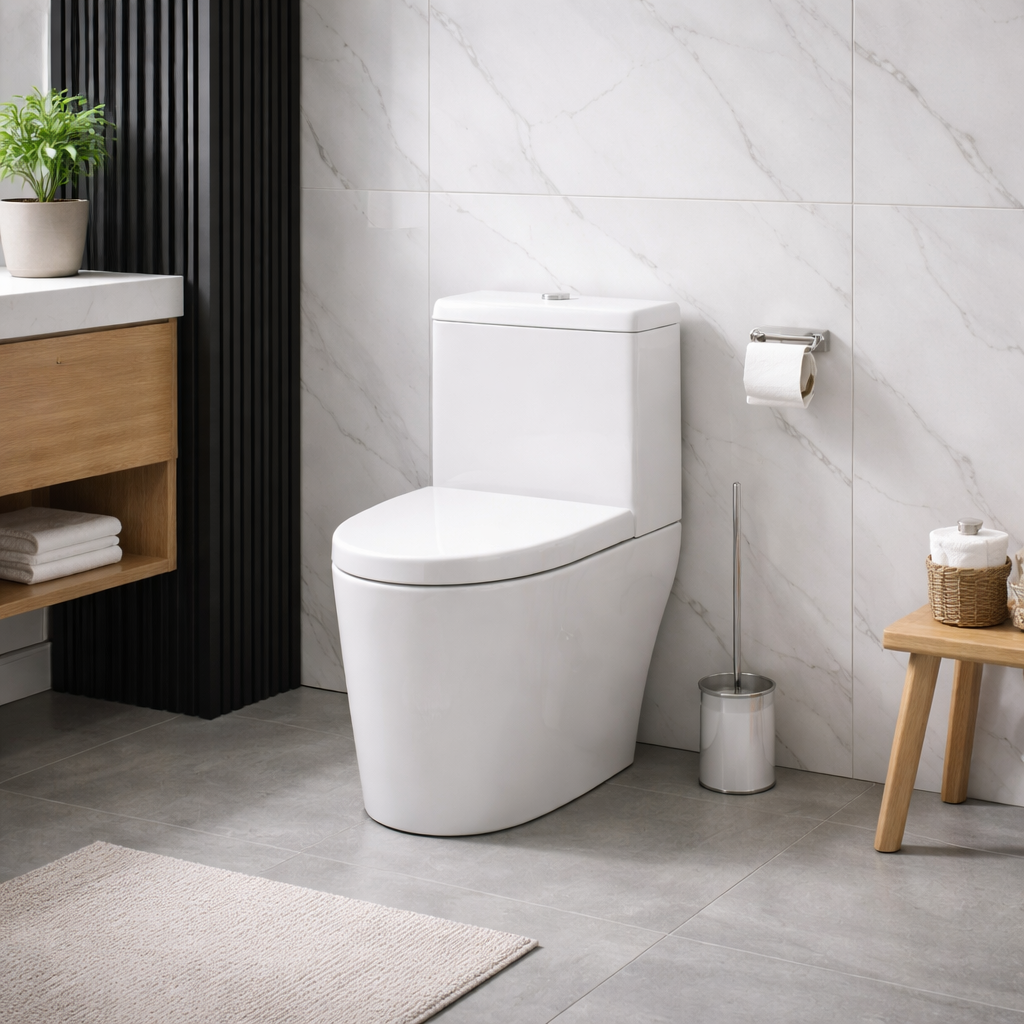
Specification and Coordination Considerations
Automatic flush valves should be coordinated as part of the plumbing system rather than treated as isolated restroom accessories. The valve, fixture, water supply, control stop, vacuum breaker, sensor, power source, wall construction, and maintenance access all influence whether the finished installation performs consistently. During design development, the plumbing engineer should confirm the fixture connection, required operating pressure, flush volume, supply sizing, and compatibility between the valve and the toilet or urinal. These checks are especially important in renovations where existing piping conditions may differ from current drawings.
Architectural coordination also matters. Exposed valves remain visible and accessible from the restroom, while concealed systems move major components behind the wall or into a service chase. That affects wall depth, access-panel placement, finish transitions, grab-bar coordination, partition clearances, and the ability of maintenance staff to reach components without removing finished surfaces. Projects comparing these arrangements can review the related guide on concealed vs. exposed automatic flush valves.
Sensor behavior should also be reviewed in the actual restroom context. Reflective finishes, fixture geometry, user position, nearby partitions, lighting conditions, and sensor placement can affect detection. Infrared systems depend on a clear sensing field and proper calibration, so specification review should include detection range, activation logic, manual override provisions, battery or hardwired power, and access for future adjustment. For additional technical background, see Infrared Sensor Flush Valves Explained.
Commissioning, Maintenance, and Water-Efficiency Planning
Commissioning should verify more than whether a valve activates. A complete field review should confirm that the control stop is set correctly, the flush volume matches the connected fixture, the sensor responds at the intended distance, the manual override functions where provided, and there are no leaks at supply, vacuum-breaker, or fixture connections. Repeated or incomplete flushing can point to pressure, sensor, valve, battery, or fixture-compatibility issues, so troubleshooting should follow the full system rather than assuming that the sensor alone is responsible.
Facility teams also benefit from clear operations and maintenance information before turnover. Battery type, expected service interval, filter-screen access, diaphragm or piston service, solenoid access, cleaning precautions, and replacement-part identification should be included in the handover package. For high-traffic facilities, serviceability can be as important as appearance because a small access problem repeated across many fixtures can increase maintenance time and restroom downtime. Exposed valves generally allow faster visual inspection, while concealed assemblies require deliberate access planning behind finished walls.
Water efficiency should be evaluated together with fixture performance. A lower flush volume is useful only when the valve and fixture are designed to operate together and the building’s pressure conditions support reliable clearing and drainline transport. Project teams reviewing efficiency criteria can use the internal guide on WaterSense, Flush Volume, and Commercial Toilet Performance for additional context on flush-volume targets, sensor controls, and commercial specification planning.
Related Technical Reading
These supporting articles expand on sensor behavior, valve configuration, and water-performance coordination for commercial restroom projects.
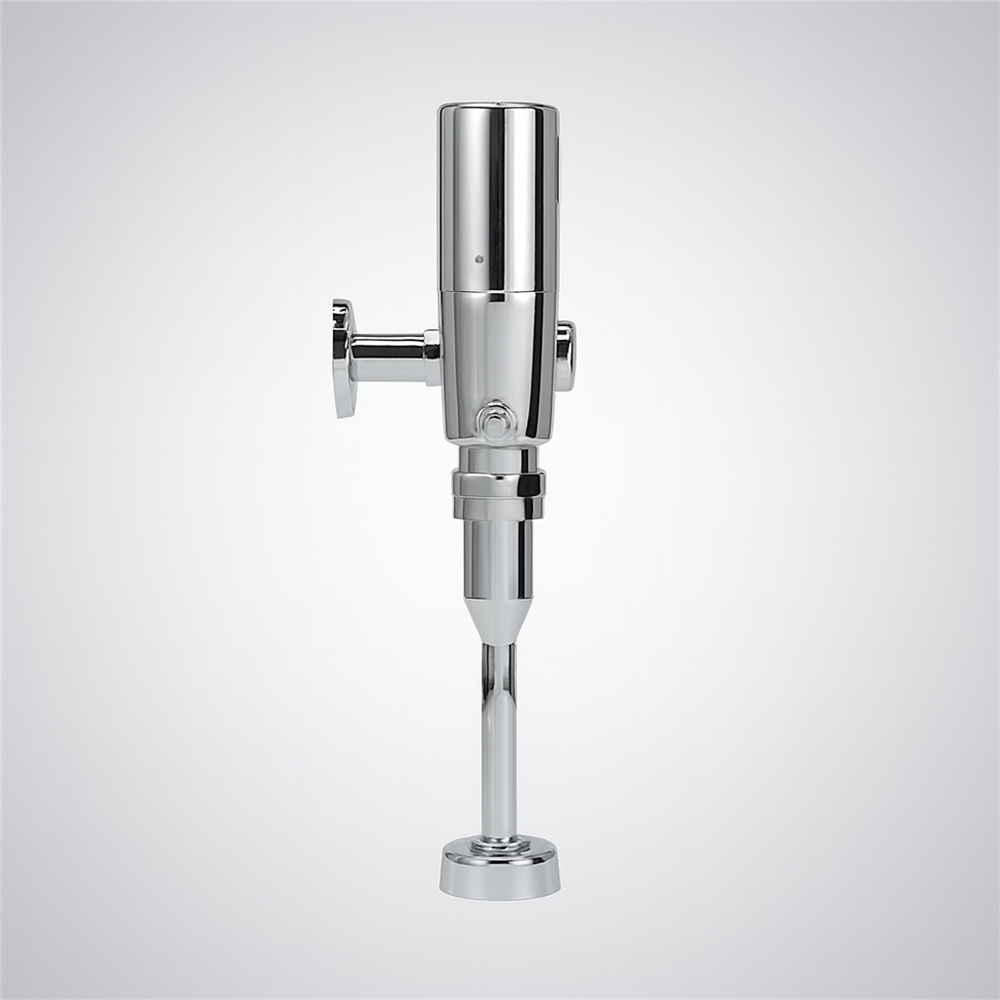
Fontana IronFlow™ – Chrome Touch Free Flush Valve
IronFlow™ is a strong fit for high-traffic restrooms that need dependable hands-free flushing and simple service access. Its exposed design supports quicker maintenance, while the chrome finish works well in schools, retail facilities, airports, and other heavily used public spaces.

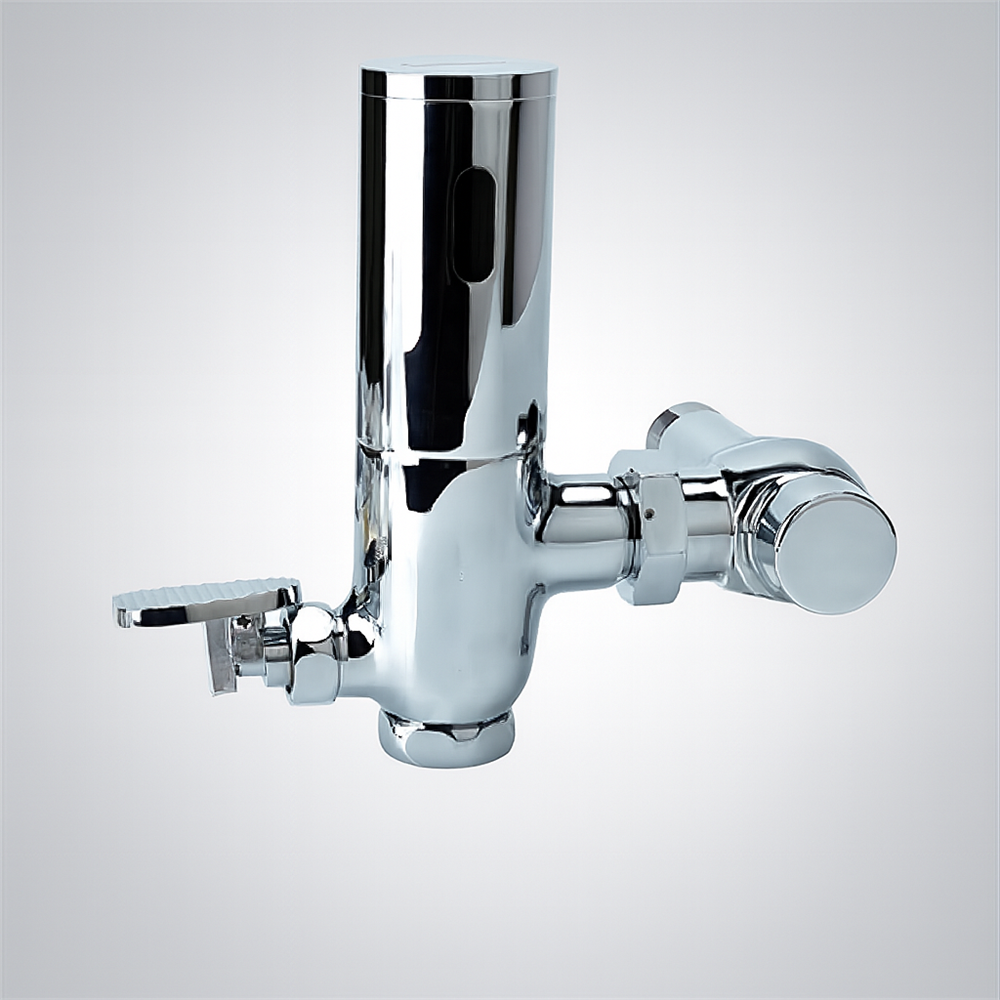
Fontana BlastFlush™ – Chrome Hands Free Flush Valve
BlastFlush™ is suited for demanding restroom traffic where consistent sensing and stable flushing performance are important. It is a practical choice for multi-stall renovations, public facilities, and projects that need an easy-to-match commercial finish.

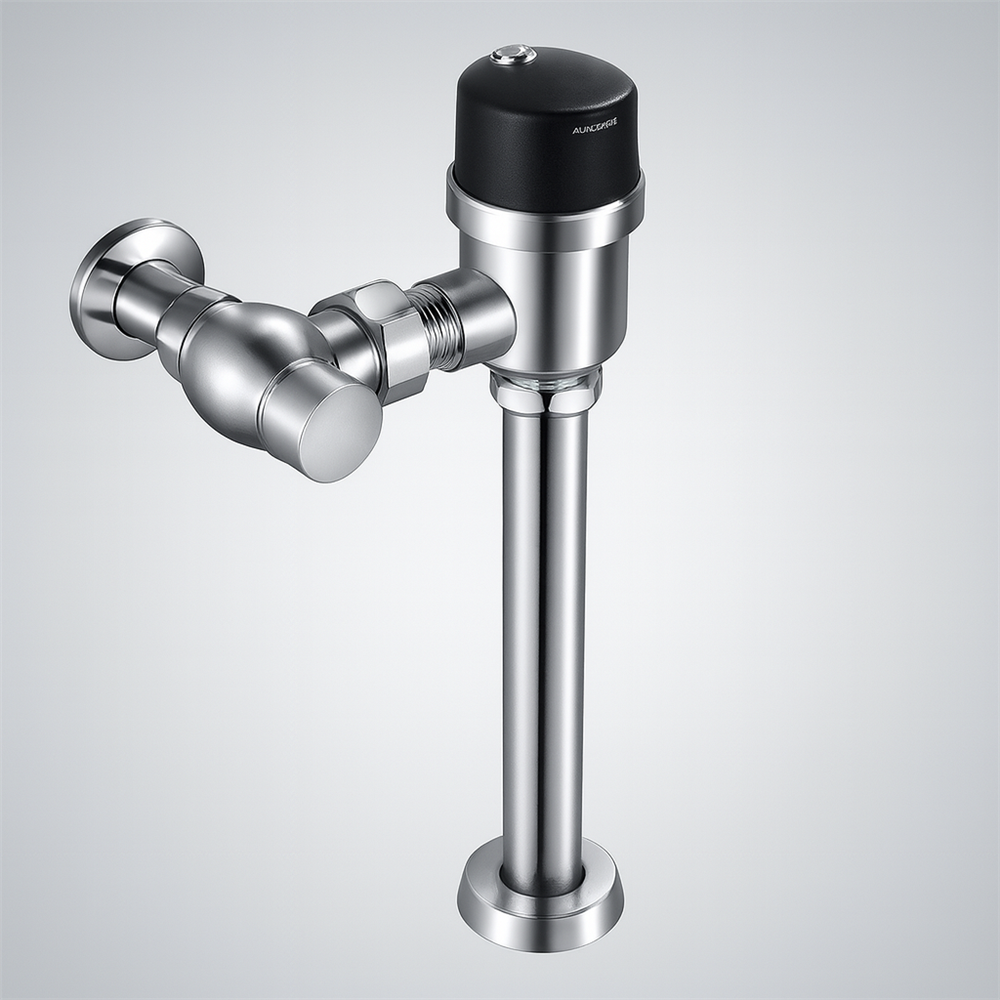
Fontana CleanMotion™ – Chrome Exposed
CleanMotion™ combines touch-free operation with an exposed format that helps simplify access for inspection and upkeep. It works especially well in education, healthcare support spaces, and public venues where quick maintenance turnaround is valuable.

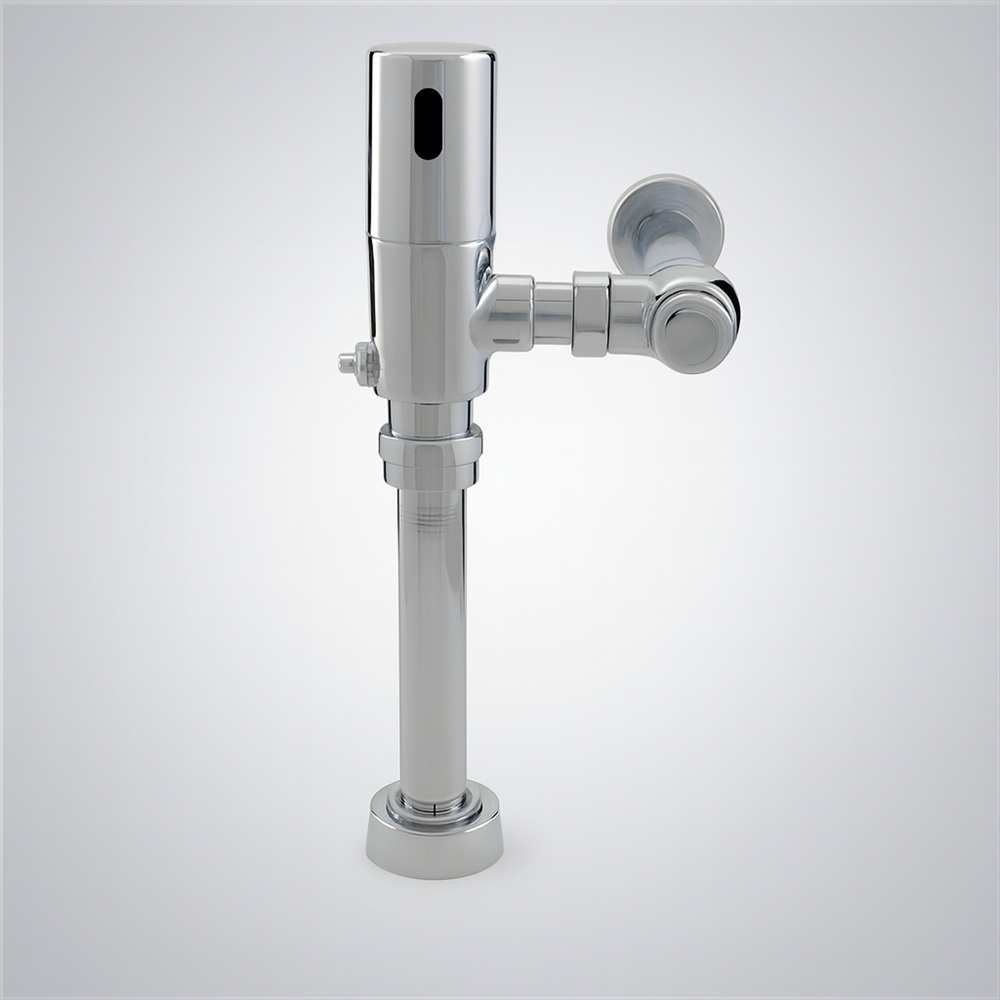
Fontana FlushTitan™ – Chrome Auto Flush Valve
FlushTitan™ is built for projects that need reliable daily performance and a finish that blends easily into standard commercial restroom hardware schedules. It is a dependable option for property upgrades and multi-restroom installations.

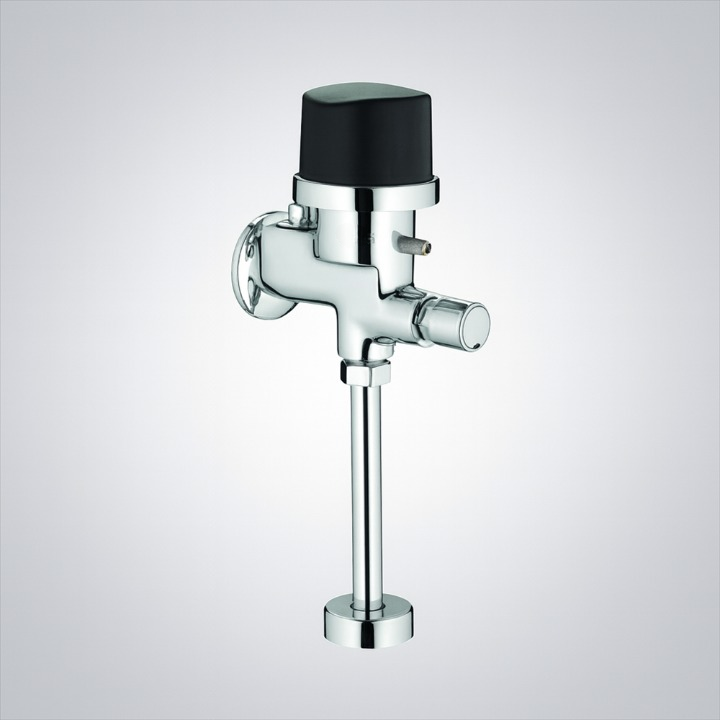
Fontana AquaForce Pro™ – Chrome Light Sensor Edition
AquaForce Pro™ is designed for spaces where lighting conditions can vary throughout the day. It is a smart option for hospitality and retail restrooms where touch-free performance and a clean visual finish both matter.

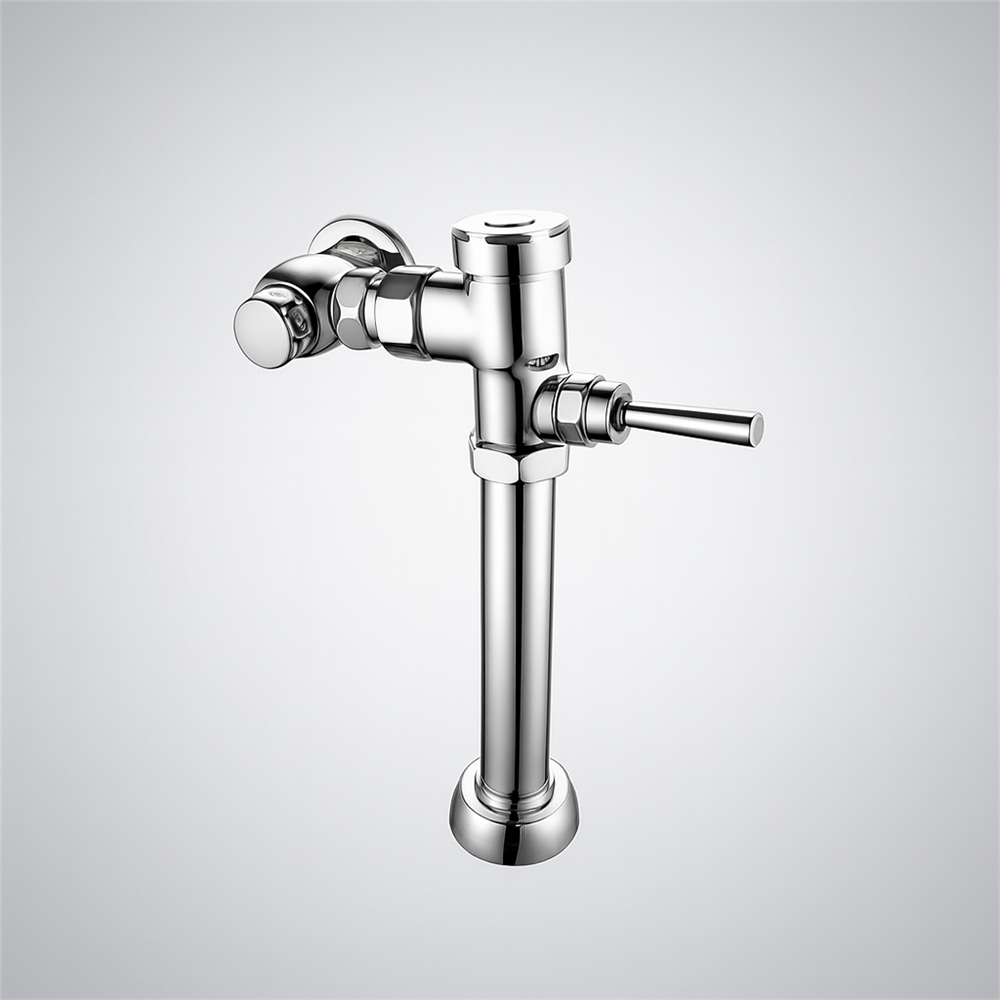
Fontana EcoSmart Flow™ – Chrome Core Control
EcoSmart Flow™ is a good match for projects focused on balancing water-conscious operation with dependable flush performance. Its service-friendly internal approach makes it appealing for maintenance teams managing multiple fixtures across one property.

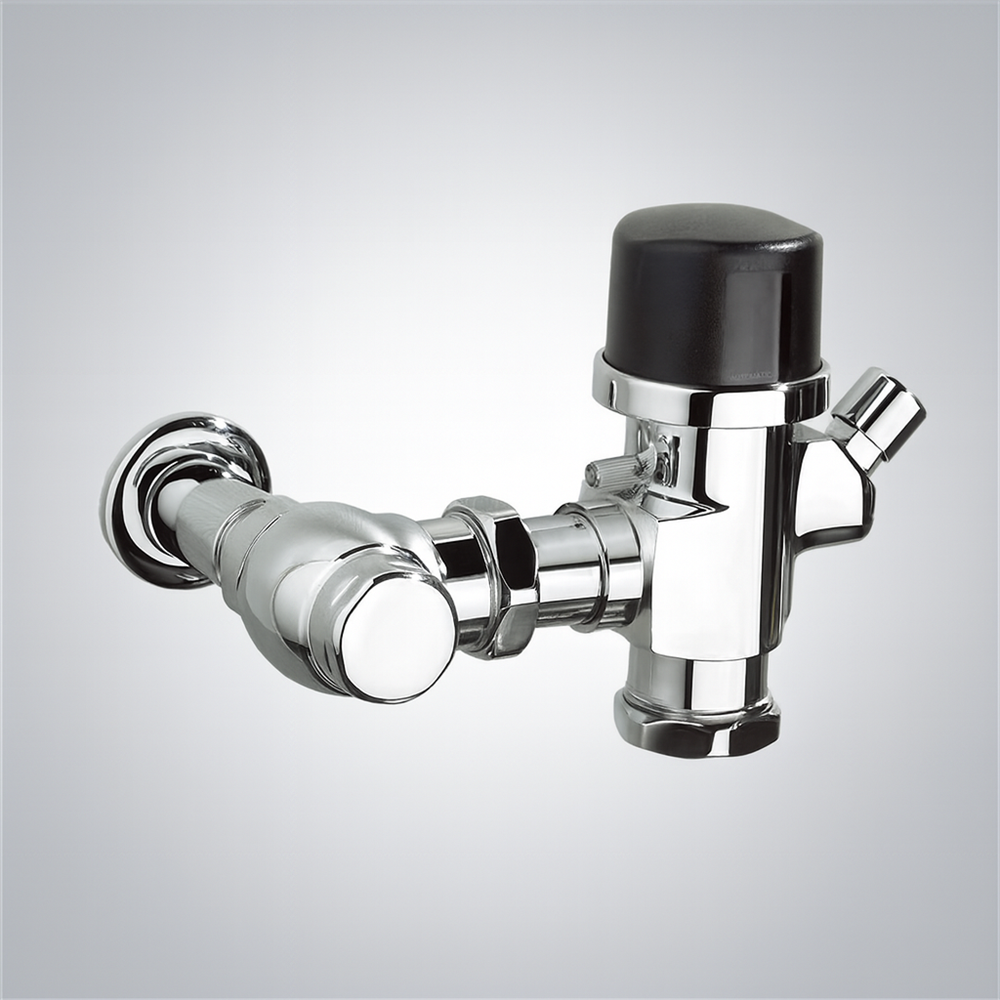
Fontana HydroMax Elite™ – Chrome Sensor & Manual Control
HydroMax Elite™ offers the convenience of touch-free operation with added manual control when needed. That makes it a practical choice for facilities that want added flexibility during maintenance, events, or service checks.

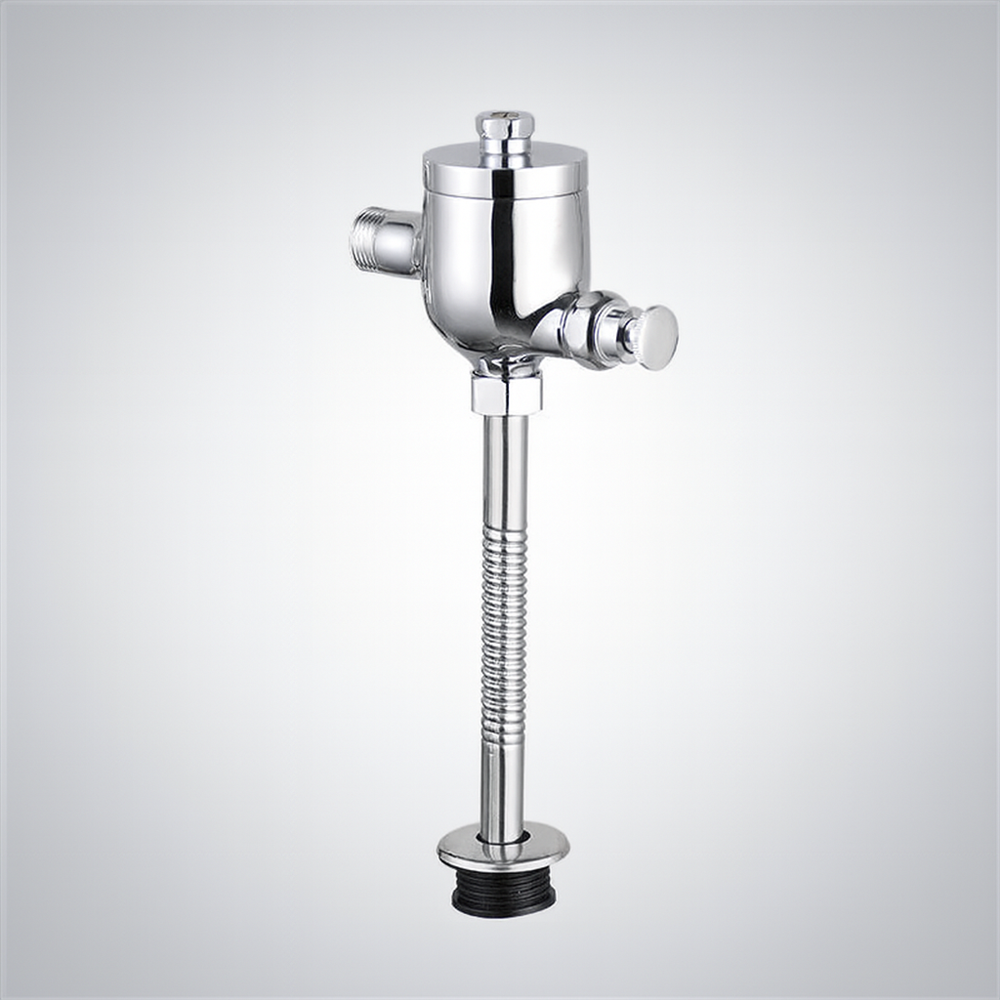
Fontana HydroPulse™ – Silver Luxe
HydroPulse™ pairs a refined silver finish with a commercial-ready design, making it a strong fit for hospitality, executive restrooms, and other public-facing spaces where appearance and serviceability both matter.

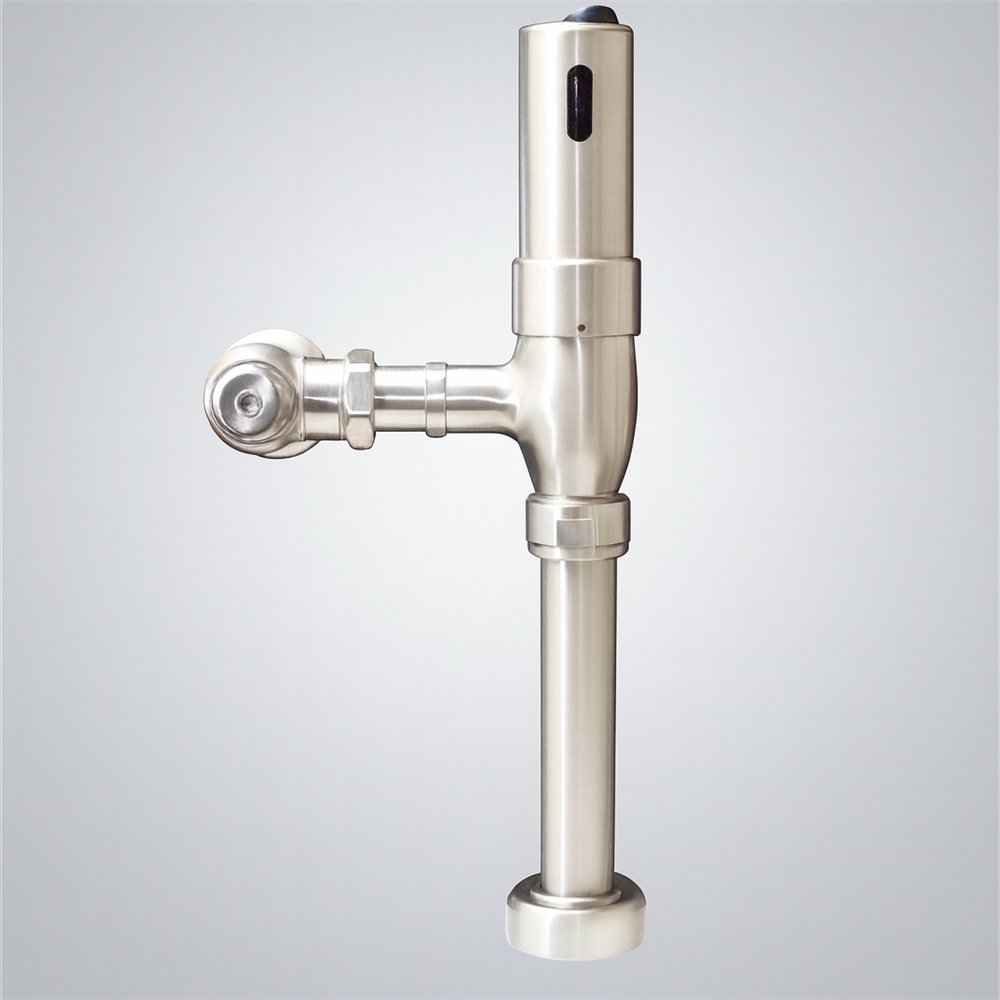
Fontana JetFlush XT™ – Satin Nickel Edition
JetFlush XT™ is a solid choice for modern interiors that call for a softer metal finish than standard chrome. It keeps the look elevated while still supporting touch-free convenience in commercial restroom settings.

Choosing the Right Option for Your Project
When comparing automatic flush valves, it helps to focus on finish compatibility, service access, sensor style, water pressure, fixture compatibility, power strategy, and the level of daily restroom traffic. The most appropriate configuration should support both the architectural intent of the space and the practical needs of long-term upkeep without creating unnecessary access problems.
Renovation projects should document existing supply location, spud size, available pressure, wall conditions, electrical access, and fixture type before a replacement valve is selected. New construction offers more flexibility, but concealed bodies, access panels, control stops, wiring pathways, and maintenance clearances still need to be resolved before walls and finishes are closed.
For commercial installations, the selection process is strongest when architectural, plumbing, electrical, and facility requirements are reviewed together. This helps reduce field changes, supports more predictable commissioning, and gives maintenance teams a clearer path for inspection and service after occupancy.