
Touchless Flush Valves vs Manual Flush Valves
Choosing between touchless and manual flush valves is no longer only a design decision. For offices, schools, hotels, healthcare facilities, airports, stadiums, and public buildings, the right flush valve affects hygiene, water use, maintenance planning, user experience, and long-term operating cost.
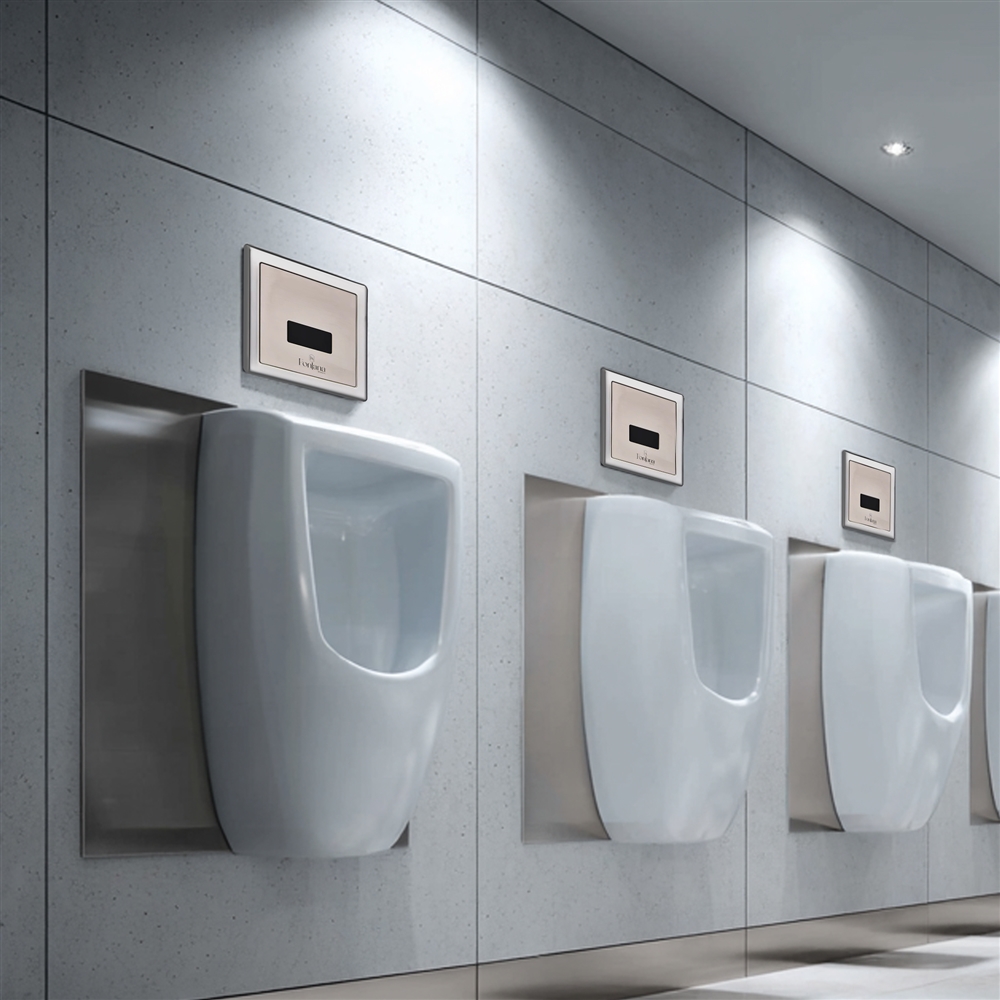
Fast Answer
Touchless flush valves are usually the stronger choice for busy public and commercial restrooms because they remove the need to touch a flush handle, improve flush consistency, and create a more modern restroom experience. Manual flush valves are still useful where simplicity, low upfront cost, and basic mechanical service are the top priorities.
“`Simple rule: choose touchless for high-traffic, public-facing, healthcare, education, hospitality, and premium commercial restrooms. Choose manual for low-use spaces, budget-sensitive retrofits, or locations where power access and sensor maintenance are not practical.
Touchless Wins
Hands-free activation reduces contact with a shared restroom handle, which matters most in high-use public facilities where many users touch the same fixture daily.
Depends on Use
Manual valves cost less upfront. Touchless valves can justify the investment when labor, cleaning perception, water control, and user compliance are included.
Different Needs
Manual valves rely mainly on mechanical parts. Touchless valves add sensor lenses, batteries or hardwiring, electronics, and detection calibration.

Side-by-Side Comparison
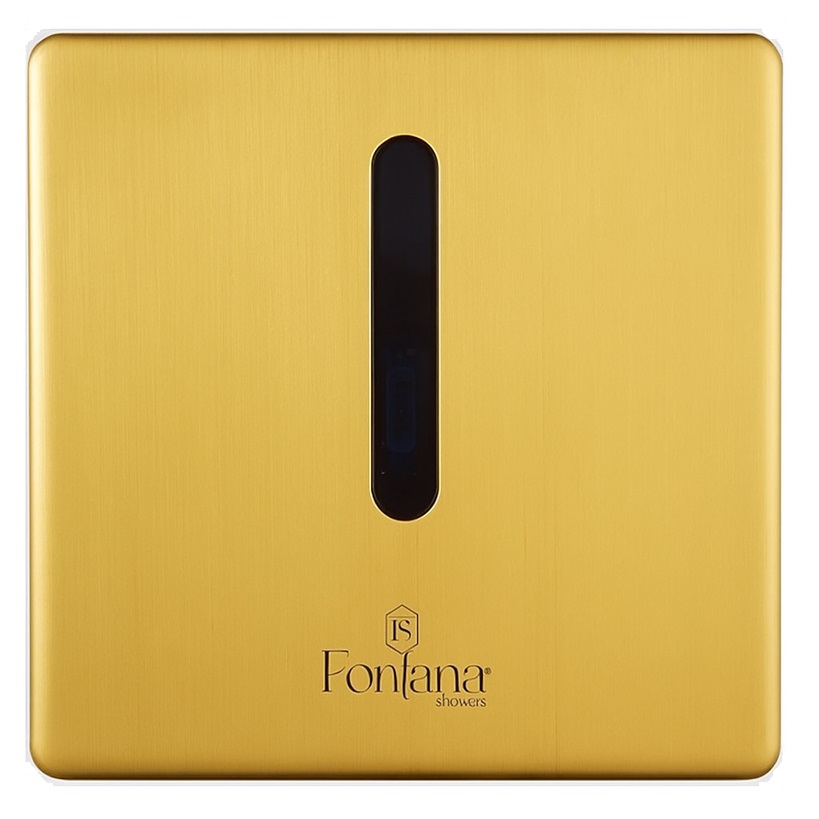
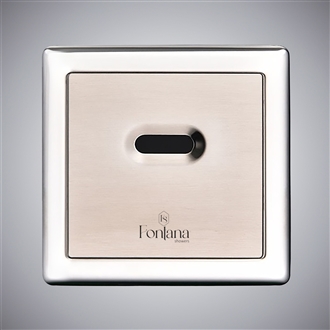
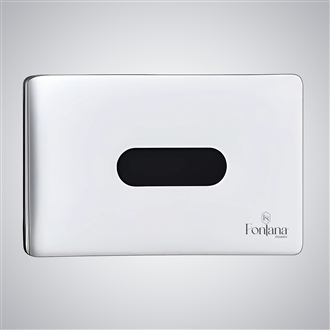
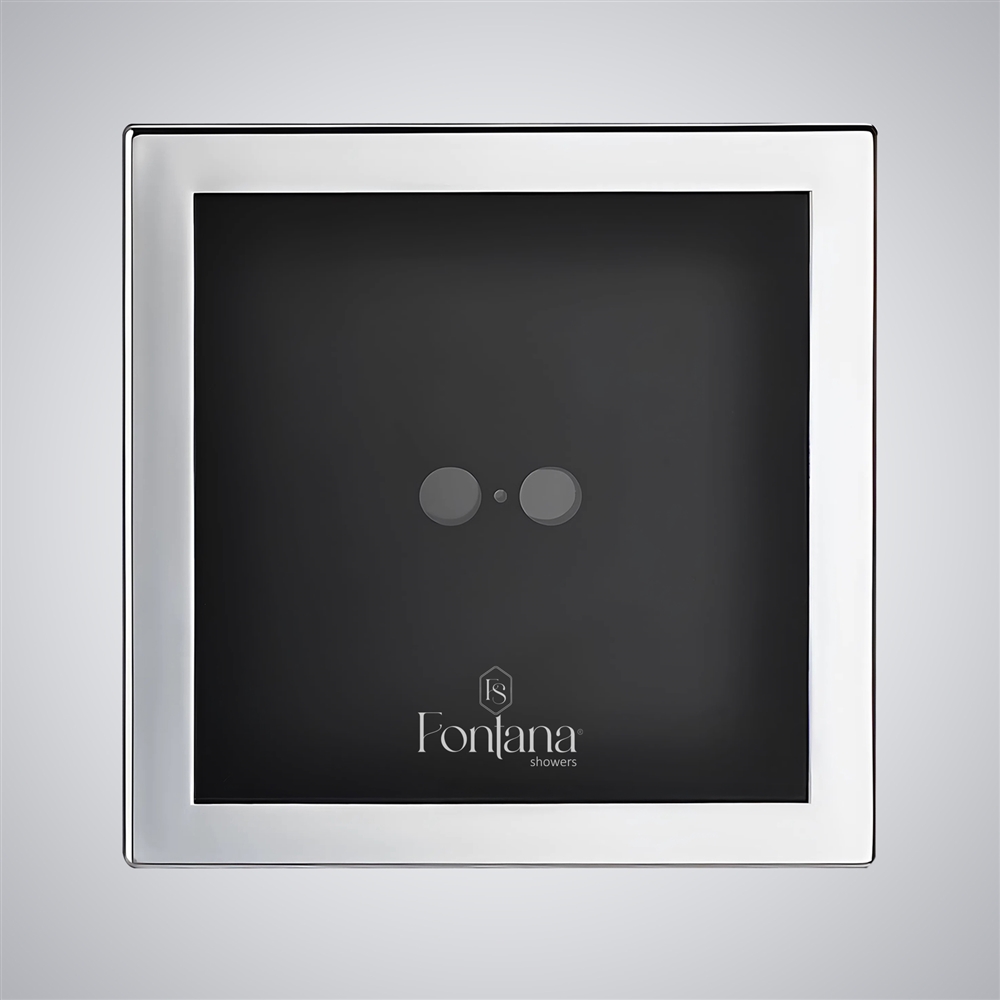
The main difference is actuation. A manual flush valve needs a user to push or pull a handle. A touchless flush valve uses an infrared or electronic sensor to detect use and trigger the flush automatically. Both systems can be durable, code-compliant, and water-efficient when properly specified, but they solve different facility problems.
“`| Category | Touchless Flush Valve | Manual Flush Valve | Facility Takeaway |
|---|---|---|---|
| Activation | Sensor detects use and flushes automatically. | User physically activates handle. | Touchless reduces shared handle contact. |
| Hygiene perception | Modern, cleaner, more user-friendly for public restrooms. | Familiar but requires direct hand contact. | Touchless improves restroom confidence. |
| Water control | Can improve consistency when sensor range and timing are correct. | Depends on user behavior and handle condition. | Both should match bowl, valve, pressure, and flush volume. |
| Upfront cost | Higher because of sensor, electronics, power components, and setup. | Lower and mechanically simple. | Manual is cheaper at purchase; touchless can perform better in high-use areas. |
| Maintenance | Requires lens cleaning, battery checks or power checks, and sensor troubleshooting. | Requires handle, diaphragm, piston, seal, and vacuum breaker service. | Touchless needs a broader maintenance checklist. |
| Best location | Airports, healthcare, offices, restaurants, schools, malls, hotels, stadiums. | Staff restrooms, utility areas, low-traffic restrooms, budget retrofits. | Traffic level should guide the decision. |
Quick Performance Chart
This simple scorecard compares common facility priorities. Scores are relative planning scores, not laboratory ratings.
Hygiene Impact
Restroom hygiene is shaped by more than one fixture. Cleaning frequency, ventilation, handwashing, surface materials, fixture condition, and user behavior all matter. Still, flush handles are shared contact points. In a busy restroom, every manual flush handle becomes part of the high-touch surface map.
“`Touchless flush valves reduce one repeated contact step. A user does not need to push a lever after using the toilet or urinal. This supports cleaner traffic flow, especially when paired with automatic faucets, automatic soap dispensers, touchless hand dryers or paper towel dispensers, and easy-to-clean partition layouts.
Important distinction: touchless flushing reduces handle contact. It does not replace handwashing, scheduled cleaning, ventilation, or proper restroom disinfection.
Why Touch Reduction Matters
Facilities often focus on door handles, faucet handles, dispenser buttons, stall latches, and flush handles because these surfaces are touched by many people. Removing one contact point does not make a restroom sterile, but it lowers the number of shared surfaces users must touch during a normal restroom visit.
- Fewer users need to touch the same flush handle.
- Flush activation becomes more consistent after use.
- Restroom perception improves in public-facing environments.
- Cleaning teams can focus on surfaces that still require direct contact.
- Touchless fixtures support a broader hygiene design strategy.
About Toilet Plume
Research on commercial flushometer-type toilets has shown that flushing can create aerosol plumes. This does not mean a touchless valve eliminates aerosol concerns. It means restroom design should be treated as a full system: proper ventilation, cleaning, fixture selection, bowl design, user flow, and maintenance all work together.
For high-risk or high-traffic buildings, the best hygiene strategy is layered: reduce touchpoints, maintain surfaces, keep fixtures working correctly, support proper hand hygiene, and follow a documented restroom cleaning schedule.
“`Cost Comparison
Manual flush valves normally have the lower purchase price and simpler installation. Touchless flush valves cost more because they include sensor electronics, a power method, a solenoid or motorized actuation system, and setup requirements. However, the lowest purchase price is not always the lowest total cost.
“`Total Cost Factors
| Cost Area | Manual Valve | Touchless Valve | What to Check |
|---|---|---|---|
| Product price | Usually lower. | Usually higher. | Compare complete valve body, trim, power kit, and installation parts. |
| Installation | Straightforward replacement when rough-in matches. | Battery models are simpler; hardwired models may need electrical planning. | Confirm rough-in, supply pressure, fixture type, and wall clearance. |
| Water use | Can be efficient if properly specified and maintained. | Can improve flush consistency when sensor timing is correct. | Match flush volume to bowl rating and local requirements. |
| Service labor | Mechanical repairs are common and familiar. | Requires mechanical and electronic checks. | Train staff on sensor lens cleaning, batteries, diaphragms, seals, and stop valves. |
| User complaints | Complaints often relate to handle damage, weak flush, or running water. | Complaints often relate to missed detection, ghost flushing, or low battery. | Log complaints by fixture location to identify repeat problems. |
Water Savings Formula
For planning, estimate annual water use with a simple formula:
Annual gallons = fixtures × flushes per day × gallons per flush × operating days per year
Example: if a facility has 20 commercial toilets, each used 60 times per day, and operates 300 days per year, reducing flush volume from 1.6 gpf to 1.28 gpf saves about 115,200 gallons per year before local water and sewer rates are applied.
| Scenario | Formula | Estimated Annual Use |
|---|---|---|
| Standard 1.6 gpf | 20 × 60 × 1.6 × 300 | 576,000 gallons |
| High-efficiency 1.28 gpf | 20 × 60 × 1.28 × 300 | 460,800 gallons |
| Estimated difference | 576,000 − 460,800 | 115,200 gallons saved |
Always verify flush volume, bowl compatibility, drainline conditions, local code, and real traffic counts before making a final water-savings claim.
“`Maintenance Needs
Both manual and touchless flush valves need maintenance. The difference is where the risk appears. Manual valves are mostly mechanical. Touchless valves combine mechanical flushing parts with sensors and power components.
“`Common Service Points
- Handle assembly wear or looseness.
- Diaphragm or piston replacement.
- Vacuum breaker inspection.
- Control stop adjustment.
- Seal wear, mineral buildup, and running water.
Common Service Points
- Sensor lens cleaning and alignment.
- Battery replacement or power verification.
- Solenoid or motor actuation check.
- Detection range and timing review.
- Standard diaphragm, piston, seal, and stop service.
Practical Maintenance Schedule
| Interval | Touchless Flush Valve | Manual Flush Valve |
|---|---|---|
| Daily or routine cleaning | Wipe exterior and clean sensor lens with approved non-abrasive method. | Wipe handle, body, exposed piping, and surrounding wall area. |
| Monthly | Check activation distance, delayed flush, repeated flush, and low-battery indicator. | Check handle return, leaks, weak flush, double flush, or running water. |
| Quarterly | Inspect batteries or power supply, stop valve, vacuum breaker, and internal wear parts. | Inspect stop valve, vacuum breaker, diaphragm or piston kit, and handle gasket. |
| Annual planning | Review battery logs, complaint logs, water usage, and sensor performance by location. | Review repair frequency, handle damage, water usage, and recurring mechanical failures. |
Technical Fit
A flush valve should not be chosen by appearance alone. The valve, bowl, water pressure, flush volume, rough-in, supply line, and building use all need to work together. A high-quality touchless valve installed on the wrong bowl or pressure condition can still perform poorly.
“`Specification Checklist
- Flush volume: match gallons per flush to the bowl and local requirements.
- Fixture type: confirm toilet or urinal compatibility before ordering.
- Water pressure: verify flowing and static pressure for reliable flushing.
- Power source: choose battery, hardwired, or hybrid power based on facility access.
- Traffic level: high-use areas need durable parts, vandal resistance, and easy service access.
- Cleaning chemicals: confirm finish care and avoid harsh products that damage sensors or plating.
- Service access: make sure maintenance teams can reach stops, covers, batteries, and internal kits.
Battery vs Hardwired
| Power Type | Best For | Main Advantage | Main Watchout |
|---|---|---|---|
| Battery powered | Retrofits and buildings without nearby electrical access. | Faster installation and less wall work. | Requires battery tracking and replacement. |
| Hardwired | New construction, major renovations, and large public buildings. | Less battery labor over time. | Higher planning and electrical coordination. |
| Hybrid or advanced systems | Premium facilities needing redundancy or connected fixture planning. | Improved operational control. | More complex specification and service requirements. |
Technical note: Water-efficient does not only mean low gpf. It means the bowl and valve flush effectively together, clear the fixture, protect trap seal, and avoid repeated flushes or service calls.
Best Use Cases
The right choice depends on traffic, user expectations, budget, and service resources. Below are common project scenarios where the decision becomes clearer.
“`Case 1: Airport or Stadium
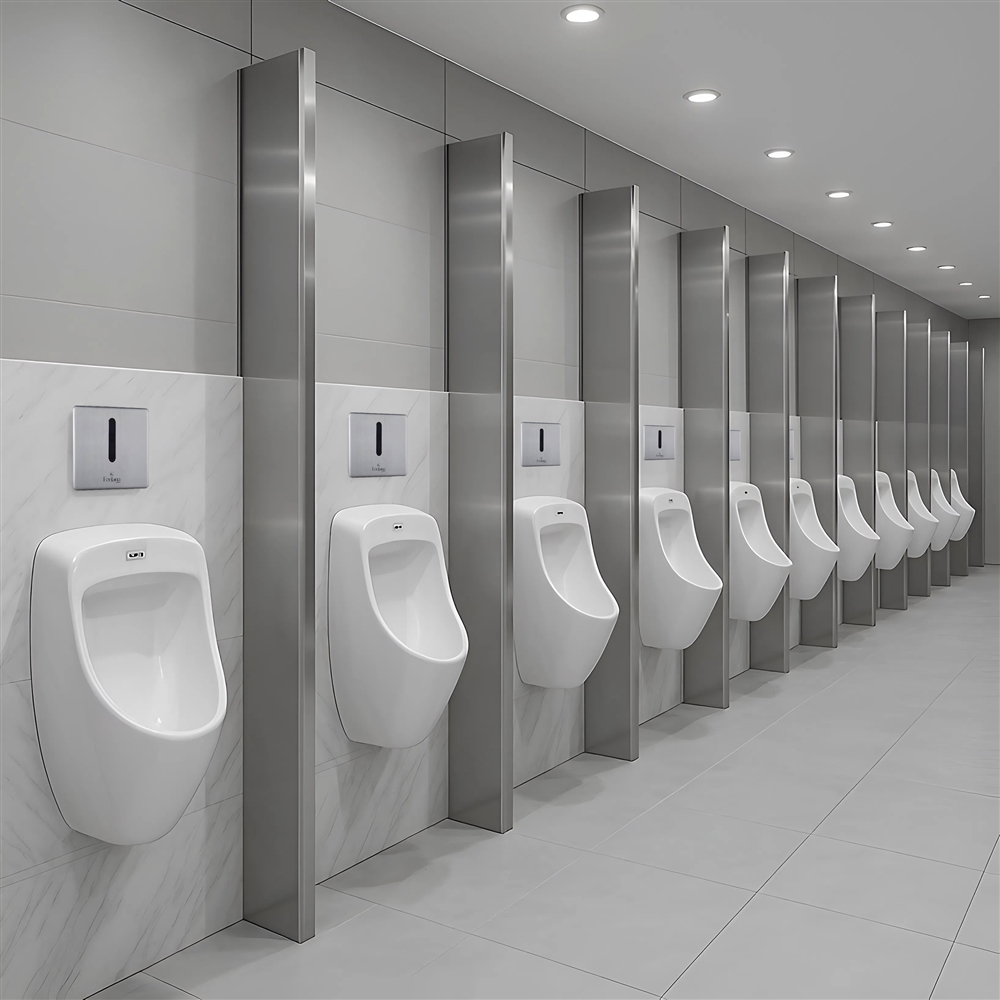
Touchless flush valves are usually the better fit because traffic is heavy, users move quickly, and restroom perception affects the overall facility experience. Automatic flushing helps keep bowls cleared between users and reduces contact with shared handles.
Case 2: Office Building
For lobby restrooms, conference floors, and tenant-shared restrooms, touchless valves support a cleaner, more modern standard. Manual valves may still be acceptable in back-of-house or staff-only areas with lower traffic.
Case 3: School or University
Touchless valves can improve hygiene and reduce misuse when specified with vandal-resistant features. Maintenance teams should choose durable covers, accessible batteries, and models with reliable detection settings.
Case 4: Small Business Retrofit
Manual valves can be a practical choice if budget is limited and traffic is moderate. A battery-powered touchless retrofit may still be worth considering for customer-facing restrooms where cleanliness perception matters.

Which One Should You Choose?
For most public and commercial restrooms, touchless flush valves offer the stronger long-term value. They reduce handle contact, support user confidence, and align with modern restroom expectations. They are especially useful in high-traffic spaces where many people use the same fixtures every day.
“`Manual flush valves remain relevant because they are simple, familiar, affordable, and easy for many plumbers to service. In low-traffic restrooms, mechanical rooms, older buildings with budget limits, or places where electronics are not preferred, a quality manual valve can still be the practical answer.
| Choose Touchless If… | Choose Manual If… |
|---|---|
| You manage public, high-traffic, or customer-facing restrooms. | You need the lowest upfront cost. |
| You want to reduce shared handle contact. | Your restroom traffic is low or staff-only. |
| You are upgrading the restroom image or hygiene standard. | Your maintenance team prefers fully mechanical parts. |
| You can support battery or hardwired maintenance. | Power access, sensor cleaning, or electronics would be difficult to manage. |
| You want a modern specification for offices, hotels, schools, airports, or healthcare spaces. | You are doing a basic repair where existing manual valves are performing well. |
Final recommendation: use touchless flush valves in high-use public restrooms and manual flush valves in controlled, low-use spaces where budget and mechanical simplicity matter most.
Buying Checklist
Before ordering flush valves for a restroom project, use a specification checklist. This helps avoid mismatched parts, weak flushing, sensor complaints, and unnecessary maintenance calls.
“`For Touchless Valves
- Confirm toilet or urinal application.
- Match rated flush volume to the fixture.
- Choose battery or hardwired power.
- Check sensor range and installation height.
- Confirm vandal-resistant cover options.
- Plan battery access and service intervals.
For Manual Valves
- Confirm rough-in and supply connection.
- Match flush volume to the bowl.
- Check handle clearance and ADA placement.
- Confirm diaphragm or piston type.
- Use approved repair kits for service.
- Track leaks, weak flushes, and handle damage.
Flush Valve FAQ
“`Are touchless flush valves more hygienic than manual flush valves?
They reduce the need to touch a shared flush handle, which improves hygiene design and user perception. They do not replace handwashing, cleaning, ventilation, or proper restroom maintenance.
Do touchless flush valves save water?
They can support more consistent flushing, but savings depend on the rated gallons per flush, bowl compatibility, sensor setup, traffic, and whether the valve prevents repeated or unnecessary flushing.
Are manual flush valves still a good choice?
Yes. Manual valves are durable, familiar, and often lower in upfront cost. They are a good fit for low-traffic restrooms or budget-sensitive repairs where touchless features are not required.
What is the biggest maintenance issue with touchless flush valves?
The most common issues are dirty sensor lenses, low batteries, improper detection range, power interruptions, and normal internal wear parts such as diaphragms, seals, and vacuum breakers.
Where should touchless flush valves be installed?
They are best for airports, schools, universities, hospitals, office buildings, hotels, restaurants, malls, stadiums, and other public restrooms with frequent daily use.
Source References
Use these source links for technical review, water-efficiency background, hygiene context, and building-health reference. Each button opens in a new tab.
“` “`Plan a Cleaner Commercial Restroom
For high-traffic public restrooms, touchless flush valves provide a cleaner user experience and a more modern restroom standard. The best results come from pairing the right valve with the right bowl, pressure, power source, cleaning plan, and maintenance schedule.