
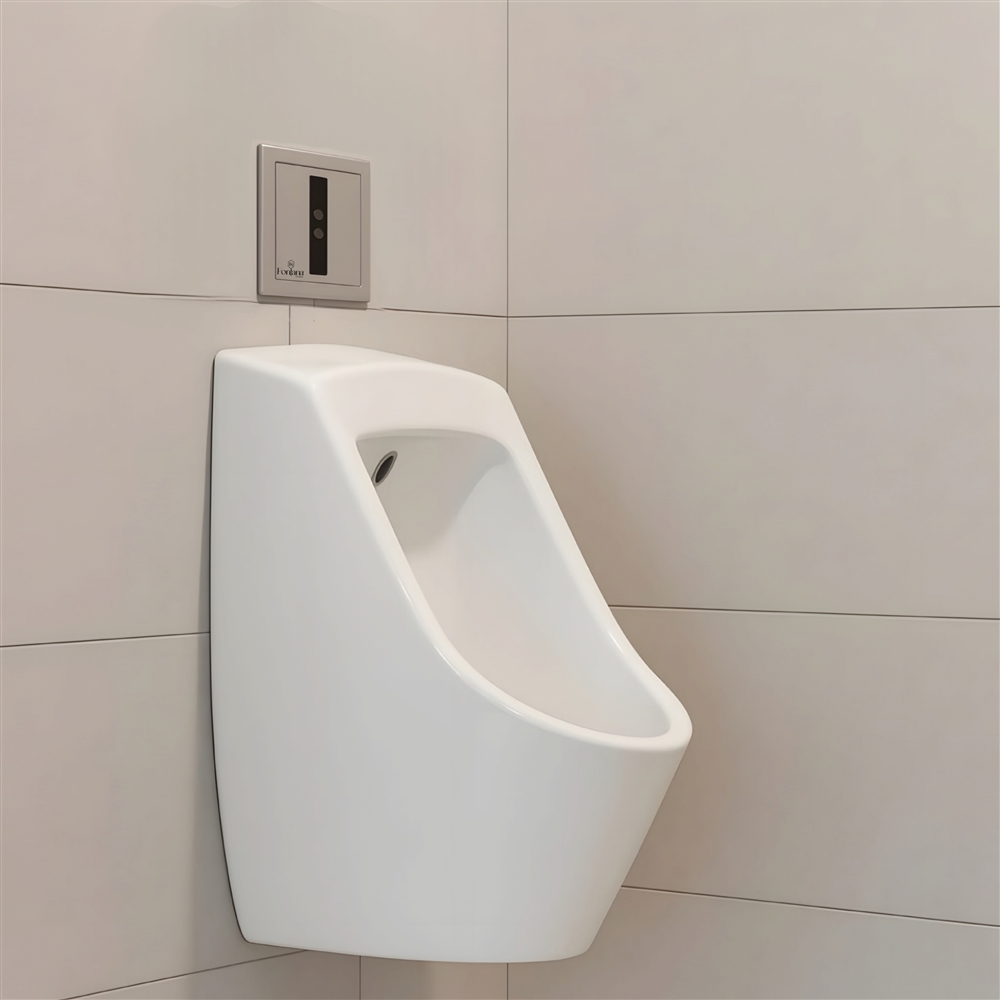
Auto Flush Systems for Low-Use Building Water Quality
Low-use buildings often have the same plumbing complexity as busy facilities, but less water movement. Auto flush systems help keep selected restroom branches active by creating scheduled fixture use, reducing water age, and supporting a stronger building flushing plan.
Why Low-Use Buildings Need Active Water Movement
In a fully occupied building, daily restroom activity naturally replaces water in fixture branches. In a low-use building, entire areas may sit unused for long periods. That quiet plumbing condition is called stagnation, and it can affect water quality before anyone notices a visible problem.
Stagnant water can lose disinfectant residual, warm or cool into risk ranges, collect sediment, and encourage biofilm growth on pipe and fixture surfaces. These problems are especially important in schools during breaks, offices with hybrid schedules, seasonal properties, healthcare wings, warehouses, airports, stadium zones, and any restroom group that is not used every day.
Water age rises
When fixtures sit unused, the water inside local piping becomes older than the water entering the building.
Residual can drop
Disinfectant residual may become low or undetectable in stagnant areas, reducing the system’s protective margin.
Biofilm risk grows
Slow-moving water can support surface buildup inside fixture branches, valves, aerators, and dead-end piping.
What Auto Flush Systems Actually Do
An auto flush system uses a sensor, timer, control board, or programmed activation cycle to release a measured flush without relying on a user to press a handle. In commercial restrooms, these systems are commonly used on toilets and urinals. In low-use buildings, they can also be part of a maintenance strategy that keeps water moving through remote fixture groups.
The best results come from a planned approach. Facility teams should identify low-use zones, determine fixture order, set appropriate flush intervals, verify flow at the fixture, and document water quality indicators such as disinfectant residual, temperature, and pH. Auto flush creates repeatable action; monitoring confirms whether that action is working.
| Function | Water Quality Benefit | Best Use Area | Facility Note |
|---|---|---|---|
| Scheduled fixture activation | Helps replace stagnant water in selected toilet or urinal branches. | Remote restrooms, closed floors, hybrid offices. | Set schedules based on building use, not guesswork. |
| Hands-free operation | Reduces contact points while keeping restroom fixtures active. | Healthcare, schools, airports, public facilities. | Pair with cleaning and inspection routines. |
| Consistent water turnover | Supports more predictable flushing than manual staff rounds. | Large buildings with many fixture groups. | Document cycles in a water management log. |
| Targeted flushing | Allows higher attention to known low-flow or low-use fixtures. | End-of-line branches and seasonal zones. | Review piping layout before selecting locations. |
Featured Auto Flush Options
The following Fontana auto flush systems can be positioned within the article as visual product references for commercial restrooms, facility upgrades, and low-use building water movement strategies. All images are included with auto sizing and no forced cropping.
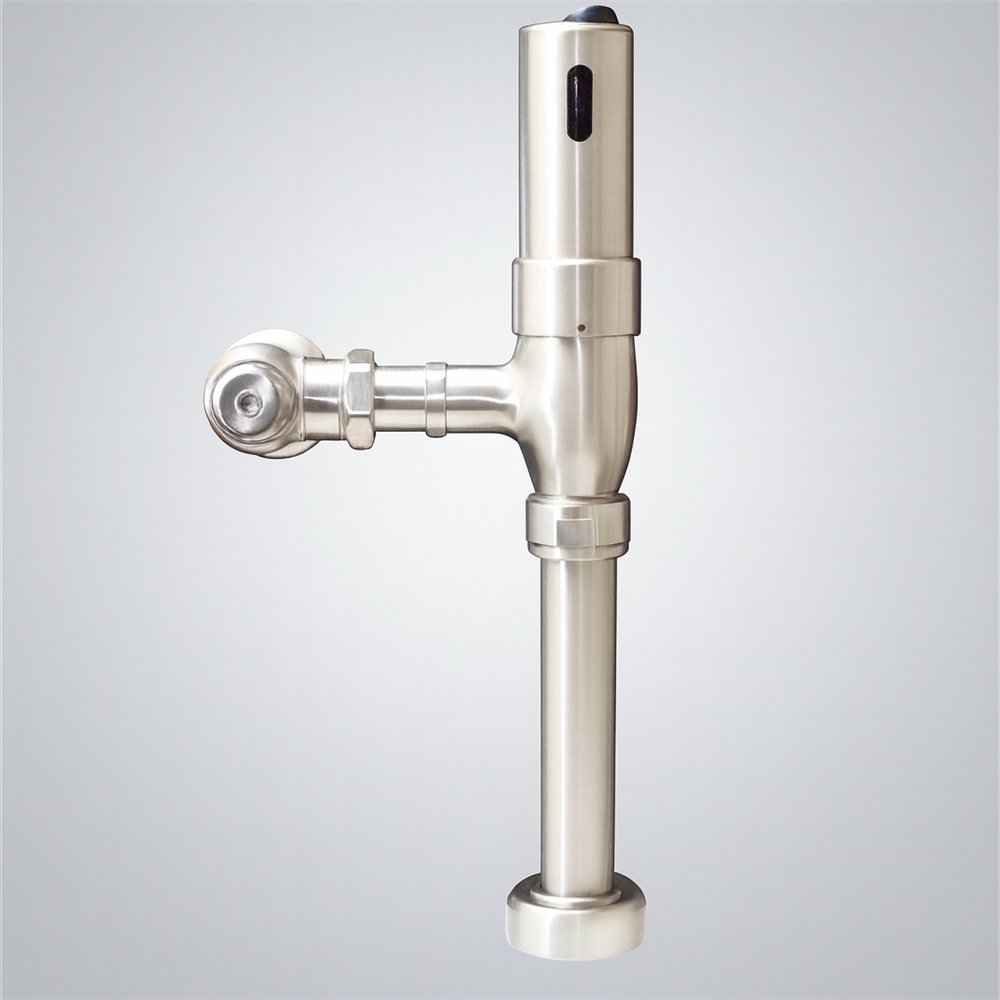
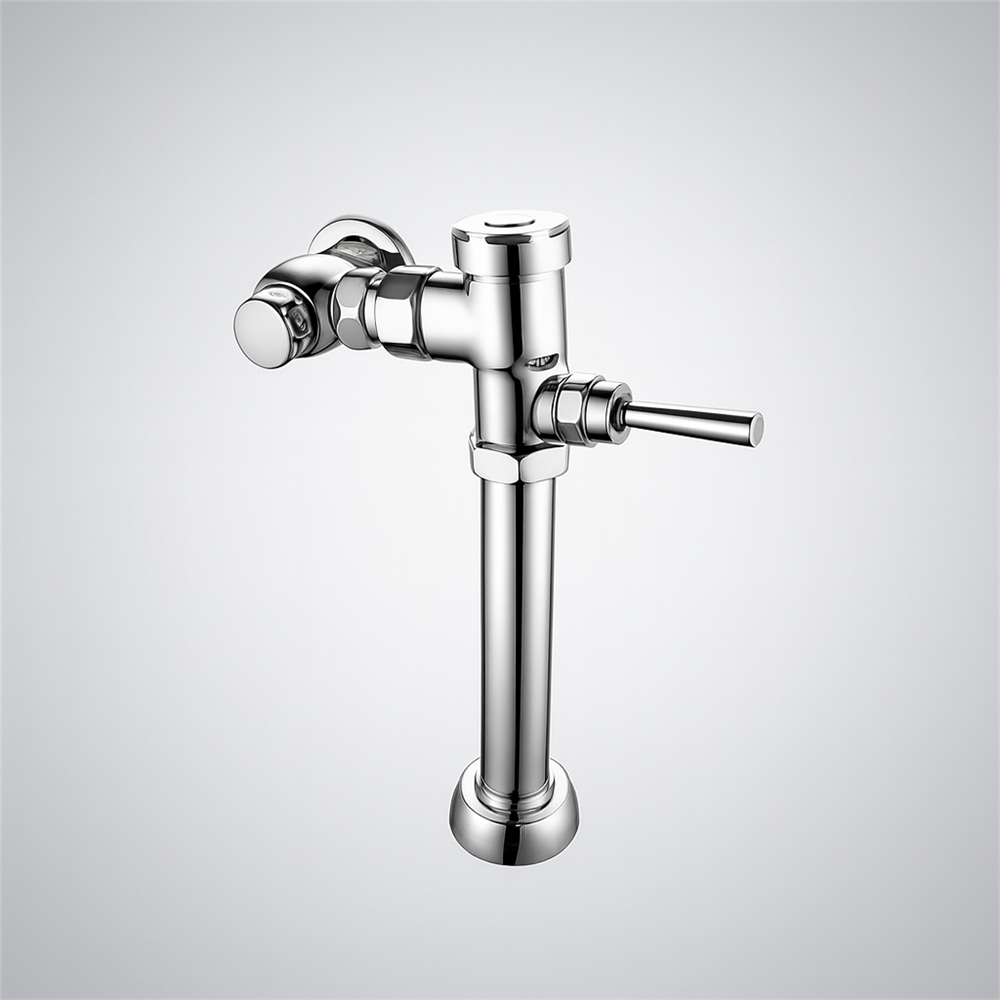
HydroMax Elite
Chrome sensor and manual control design for commercial restroom projects that need touchless activation with practical service control.
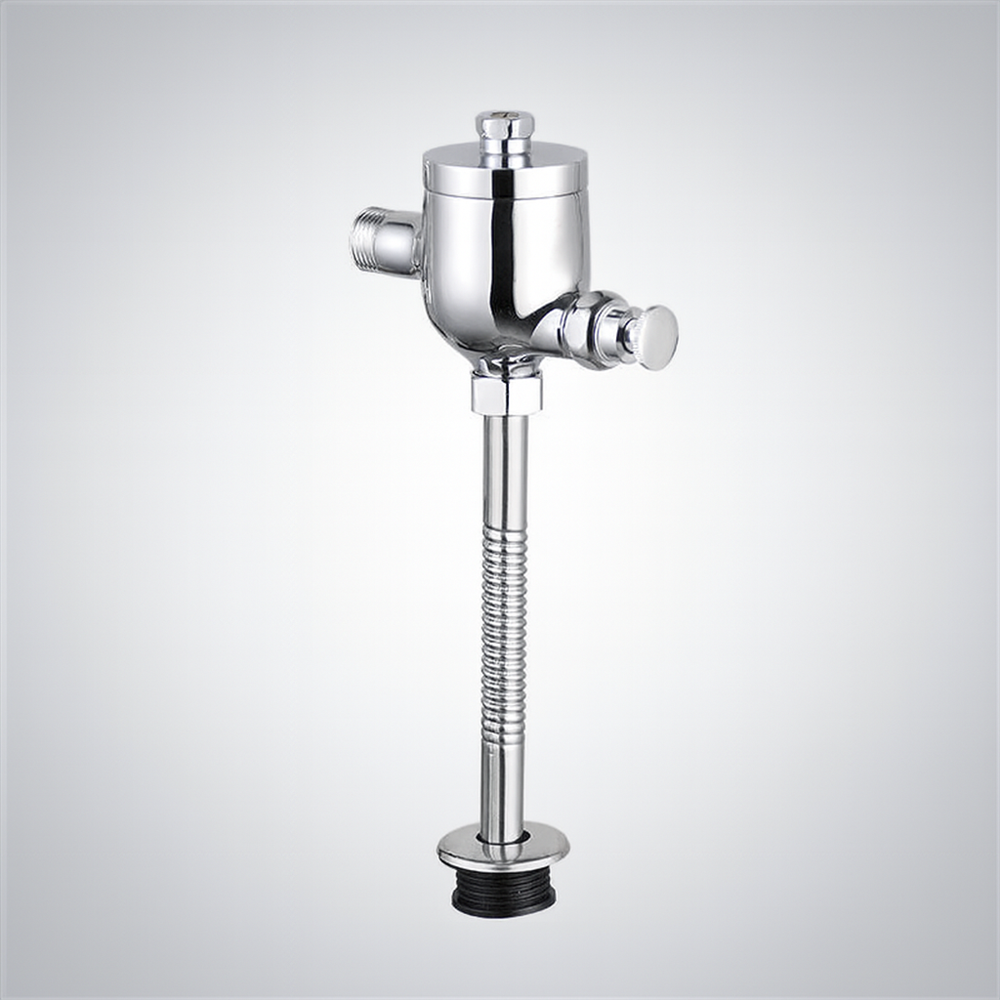
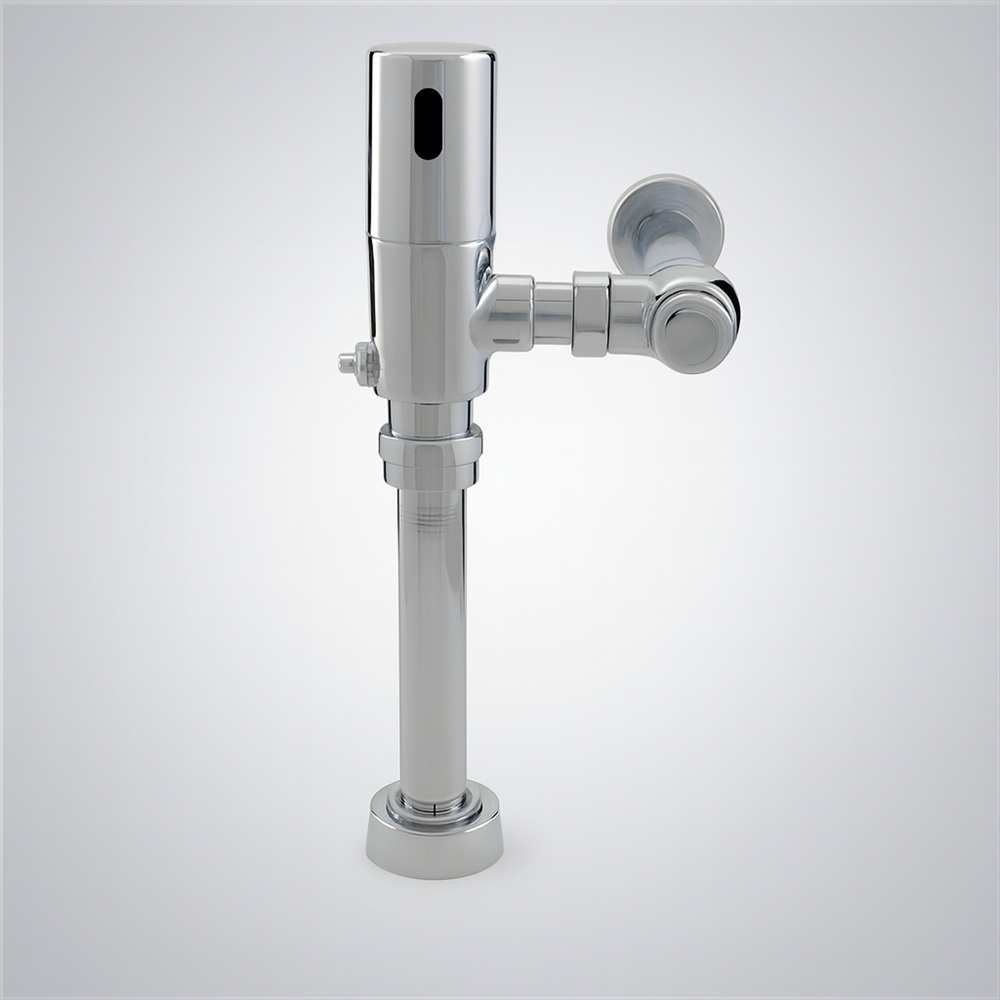
EcoSmart Flow
Chrome core control flush valve option for water-conscious commercial facilities that want planned activation and clean fixture performance.
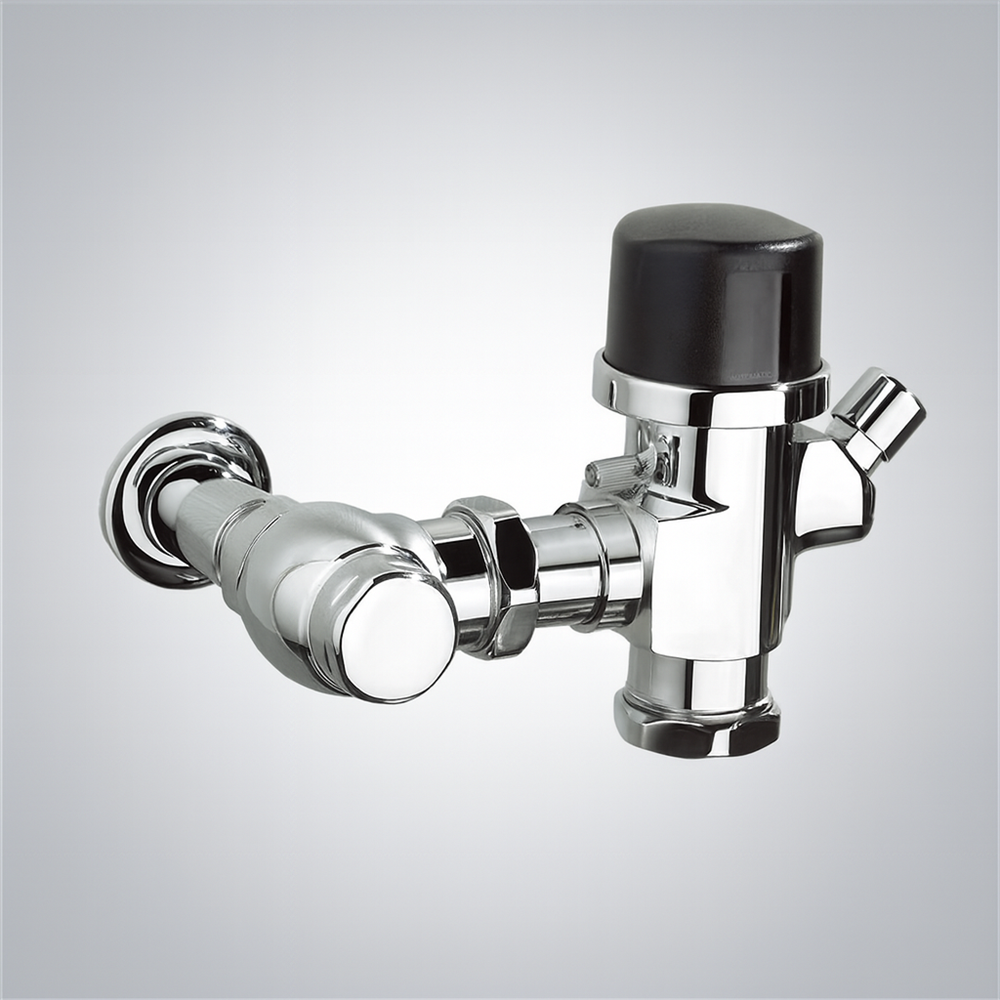
FlushTitan
Chrome auto flush valve designed for commercial restroom applications where reliability, touchless operation, and water movement matter.
Water Quality Risk Drivers
Low-use building water quality is not affected by one factor alone. The risk increases when several conditions overlap: long water age, weak disinfectant residual, warm temperatures, low fixture demand, and complex plumbing branches.
Chart reference: illustrative facility-priority model for low-use restrooms. Actual risk should be determined by site plumbing conditions, water quality testing, and the building water management program.
How Auto Flush Supports Better Water Quality
1. It reduces water age in fixture branches
Water age is the time water spends inside the building plumbing system. The longer water sits, the more likely it is to lose disinfectant residual and interact with plumbing materials. Auto flush systems help reduce water age at selected fixtures by moving water through branches that may otherwise remain idle.
2. It helps maintain active flow paths
Many low-use restrooms are not fully shut down. They are simply quiet. This makes them easy to overlook. A programmed flush cycle creates a basic flow pattern through remote branches, end-of-line fixtures, or restrooms that receive irregular traffic.
3. It strengthens routine flushing plans
Manual flushing depends on staff time, access, documentation, and consistency. Auto flush systems can reduce missed rounds by making part of the process automatic. This is useful in buildings with multiple floors, limited maintenance staff, or large fixture counts.
4. It supports hygiene and restroom readiness
Touchless operation also supports restroom hygiene by reducing contact with flush handles. In commercial settings, that helps keep fixtures ready for users while supporting broader cleaning and maintenance standards.
5. It gives maintenance teams better control
Auto flush systems can be aligned with inspection logs, water quality testing, seasonal reopening plans, and occupancy schedules. Instead of waiting for complaints, facility teams can use programmed flushing as a planned control measure.
Sample Low-Use Building Case
Consider a three-story office building with hybrid occupancy. The first floor is busy Monday through Thursday, but the third-floor restroom is used only a few times per week. The building has long piping runs, several urinals, and one end-of-line restroom group.
| Condition | Before Auto Flush | With Planned Auto Flush | Expected Operational Gain |
|---|---|---|---|
| Fixture activity | Unpredictable, based only on user traffic. | Scheduled cycles activate selected low-use fixtures. | More consistent water movement. |
| Maintenance workload | Staff must remember manual rounds. | Manual checks focus on verification and exceptions. | Less dependence on memory-based flushing. |
| Water management records | Often incomplete or irregular. | Flush schedule can be logged and reviewed. | Better documentation for facility teams. |
| Water quality checks | Reactive after odor, discoloration, or complaints. | Routine checks can be tied to the flushing plan. | Earlier visibility into potential issues. |
Build a Smarter Flushing Plan
Auto flush systems work best when they are part of a documented plan. The goal is not to flush every fixture randomly. The goal is to identify low-use water paths and create enough planned movement to support water quality targets.
Technical Design Notes
A strong auto flush specification should balance water quality support, water use, fixture performance, accessibility, and maintenance. Oversized or poorly programmed flushing can waste water. Under-programmed flushing may not create meaningful turnover. The right setup depends on the building.
| Specification Area | What to Review | Why It Matters |
|---|---|---|
| Flush volume | Gallons per flush, fixture type, valve compatibility. | Controls water use while creating enough movement. |
| Power source | Battery, hardwired, solar-assisted, or hybrid options. | Affects maintenance frequency and reliability. |
| Sensor logic | Presence detection, delay timing, override, and scheduled activation. | Prevents unnecessary flushes and missed activations. |
| Location priority | Remote restrooms, end-of-line fixtures, low-use floors. | Targets the areas most affected by stagnation. |
| Water testing | Temperature, disinfectant residual, pH, and site-specific indicators. | Confirms whether flushing is improving conditions. |
| Maintenance access | Valve service, sensor cleaning, battery replacement, shutoff access. | Keeps the system dependable over time. |
Where Auto Flush Helps Most
Hybrid offices
Floors that are only partly occupied can develop irregular fixture demand.
Schools
Breaks, holidays, and closed wings can leave restroom lines inactive.
Healthcare zones
Low-use areas still require disciplined water safety and documentation.
Hotels
Seasonal rooms, meeting areas, and event floors may sit unused.
Warehouses
Large footprints often include restrooms far from main water entry points.
Public venues
Stadiums, terminals, and convention spaces can shift between heavy and low use.
Limits to Understand
Auto flush systems are useful, but they are not a complete water safety program by themselves. They do not remove the need for proper plumbing design, cross-connection control, temperature control, disinfectant monitoring, fixture maintenance, or professional assessment where needed.
In higher-risk buildings, the auto flush schedule should be reviewed as one control point inside a larger water management program. Facility teams should also coordinate with the local water utility when restoring water after prolonged low use, especially if disinfectant residual is low at the building entry point.
Auto Flush FAQ
Do auto flush systems improve water quality?
They can support better water quality by moving water through selected low-use fixture branches. They should be paired with water quality monitoring and a documented flushing plan.
Can auto flush systems prevent Legionella?
Auto flush systems can help reduce stagnation, one factor linked with Legionella risk. They should not be presented as a standalone Legionella prevention method. A water management program, monitoring, temperature control, and professional guidance may be needed.
How often should low-use fixtures flush?
The correct interval depends on plumbing layout, fixture type, water quality readings, occupancy, local guidance, and facility risk. Start with a documented plan, then adjust based on measured disinfectant residual, temperature, and pH.
Are auto flush systems water efficient?
They can be water efficient when programmed correctly. The goal is targeted flushing, not excessive flushing. Low-flow fixtures, proper valve selection, and evidence-based scheduling help control water use.
Who should specify auto flush systems?
Facility managers, plumbing engineers, architects, and maintenance teams should coordinate. Higher-risk buildings should involve qualified water safety or industrial hygiene professionals.
Reference Sources
These sources support the article’s discussion of stagnation, flushing, disinfectant residuals, water management programs, and low-use building water quality.
Plan Flush Cycles Before Water Quality Drops
Low-use restrooms should not depend on chance traffic. A planned auto flush strategy helps keep water moving, supports facility documentation, and strengthens routine water management.