
Best Automatic Flush Valves for Commercial Restrooms
The best automatic flush valves for commercial restrooms are commercial-grade, sensor-operated models that match the toilet or urinal’s required flush volume, activate reliably, and provide accessible serviceable components. Battery-powered valves are often a practical choice for retrofits, while hardwired models can reduce battery maintenance in new construction. Before specifying a valve, compare fixture compatibility, supply pressure, sensor settings, manual override, ADA coordination, finish durability, and maintenance documentation for the building’s traffic and operating needs.
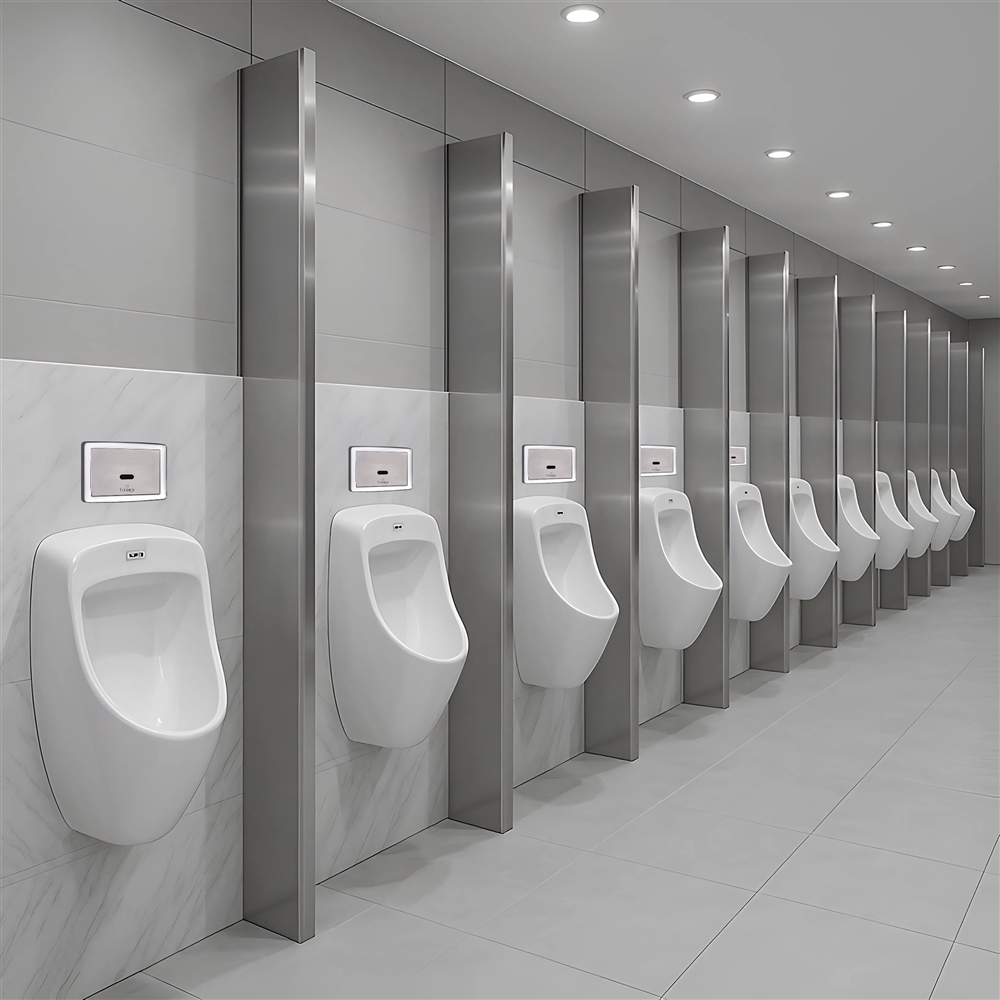
What Makes the Best Automatic Flush Valves for Commercial Restrooms?
The best automatic flush valve is not simply the most expensive unit or the most decorative finish. In commercial restrooms, the right valve is the one that matches the fixture type, plumbing design, traffic level, maintenance plan, accessibility requirements, and expected user behavior.
A commercial automatic flush valve should deliver a reliable flush cycle, detect the user without false activation, resist abuse, support efficient water use, and remain easy to service after installation. For architects and MEP teams, the best product is also the one with clear documentation: cut sheets, rough-in requirements, power information, installation instructions, and maintenance notes.
Reliable activation
The sensor should activate consistently when the user leaves the fixture zone. Good sensor logic reduces missed flushes, double flushes, and nuisance activations during cleaning.
Right flush volume
Commercial water closets often target high-efficiency performance, but the flush valve must still support drainline transport and fixture performance.
Simple maintenance
Facilities teams need accessible batteries, serviceable diaphragms or pistons, replaceable solenoids, and clear troubleshooting steps.
Why Automatic Flush Valves Matter
Commercial restrooms are judged quickly. A restroom that looks clean but has inconsistent flushing creates odor, waste, complaints, and extra cleaning labor. Automatic flush valves help standardize the flush cycle by removing the need for manual user action.
In high-traffic settings such as airports, campuses, hospitals, restaurants, arenas, and office towers, sensor-operated valves also reduce hand contact with fixture controls. That does not replace cleaning, ventilation, or handwashing programs, but it supports a more hygienic restroom experience and lowers the number of touchpoints users interact with.
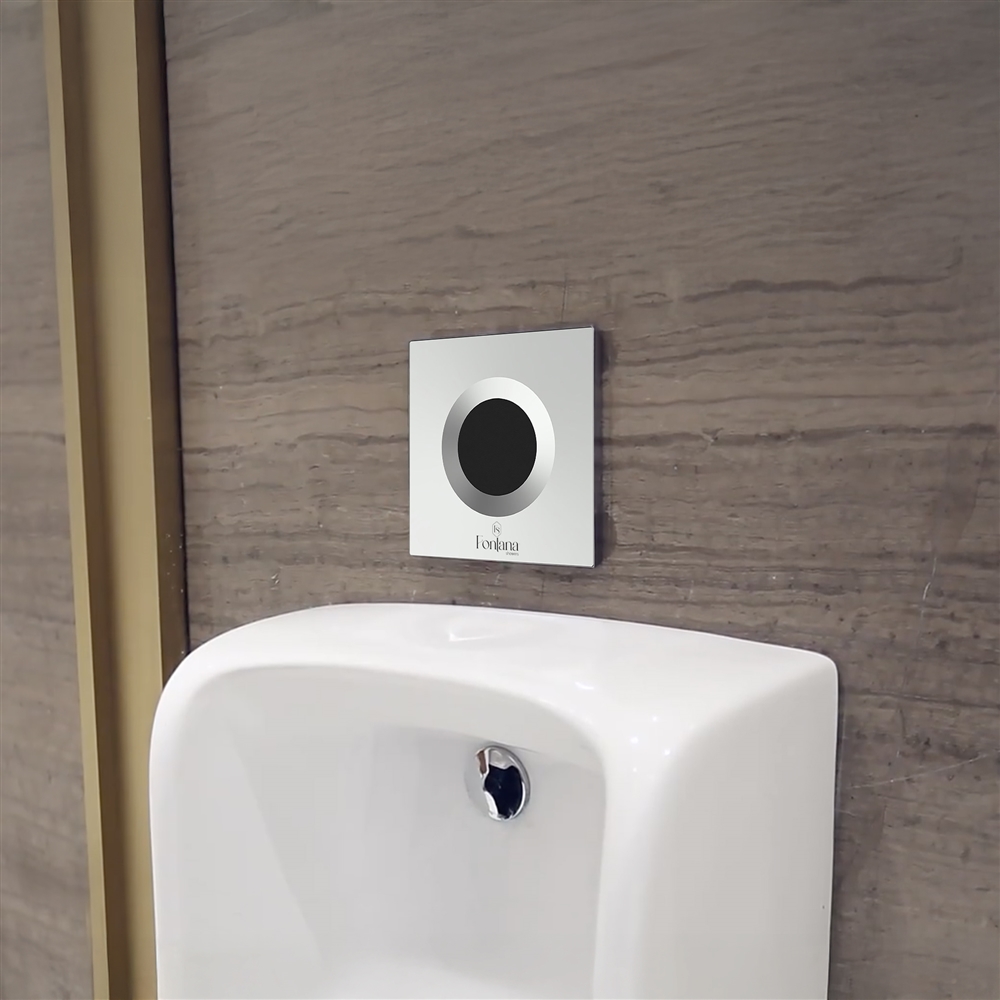
Best-fit commercial environments
- Corporate office buildings with daily employee and visitor traffic
- Healthcare restrooms where touch reduction and cleaning routines are critical
- Schools and universities with heavy use between class periods
- Airports, transit stations, and stadiums with traffic surges
- Hospitality properties where finish and guest perception matter
Specification Chart
Use this chart as a practical reference when comparing automatic flush valve options for commercial projects. The best choice depends on the building type, maintenance team, fixture count, and design intent.
| Specification Factor | Best Practice | Why It Matters | Specifier Note |
|---|---|---|---|
| Flush Volume | Match valve volume to the fixture and local code. | Improves water control while supporting bowl clearing and drainline transport. | Verify gpf, fixture compatibility, and WaterSense criteria where applicable. |
| Sensor Type | Use commercial-grade infrared or smart sensor activation. | Reduces missed flushes and prevents unnecessary double flushing. | Confirm range adjustment, delay timing, and cleaning mode if available. |
| Power Source | Choose battery for retrofit flexibility or hardwired for large new construction. | Power strategy affects maintenance, wiring, and long-term operating cost. | For campuses, standardize one power approach when possible. |
| Service Access | Specify front-service or easy-access components. | Reduces restroom downtime and avoids wall demolition during service. | Include access panels and spare kit requirements in closeout documents. |
| Finish | Use durable finishes suited to the design and cleaning program. | High-traffic restrooms need finishes that tolerate frequent cleaning. | Coordinate chrome, brushed nickel, matte black, gold, or bronze with other fixtures. |
| ADA Coordination | Confirm automatic operation or open-side control placement. | Accessible restroom layouts require proper placement and operability. | Coordinate with grab bars, partitions, toilet paper dispensers, and fixture clearances. |
Performance Comparison
The following visual chart shows how major selection factors typically rank in commercial restroom specifications. Scores are practical planning weights, not laboratory ratings.
In most commercial projects, sensor reliability and service access should rank above decorative finish. A beautiful valve that is difficult to maintain can become expensive after turnover.
Best Flush Valve by Application
Different buildings need different flush valve priorities. A stadium restroom needs fast reset and abuse resistance. A hotel lobby restroom may need a premium finish and quieter user experience. A hospital restroom may prioritize touch reduction, cleaning compatibility, and documented maintenance routines.
| Project Type | Recommended Focus | Best Valve Traits | Avoid |
|---|---|---|---|
| Airport or Transit | High traffic and fast service | Durable body, reliable sensor, fast reset, front-service access | Hard-to-access components and non-standard parts |
| Healthcare | Hygiene and cleaning workflow | Touchless activation, cleaning mode, stable sensor range, easy documentation | False triggers during cleaning or poor splash control |
| Schools | Abuse resistance and maintenance simplicity | Vandal-resistant housing, simple battery access, rugged finish | Delicate exposed parts or complex programming |
| Hospitality | Guest experience and finish coordination | Premium finish, smooth activation, quiet operation, clean design | Industrial-looking valves in luxury public areas |
| Office Buildings | Consistency and lifecycle cost | Standardized model family, efficient flush volume, predictable maintenance | Mixing too many valve types across floors |
Featured Automatic Flush Valve Styles
The following product image frames can be used as visual references for commercial flush valve styles, finishes, and project presentations. Replace or link each product card to its final product page when available.
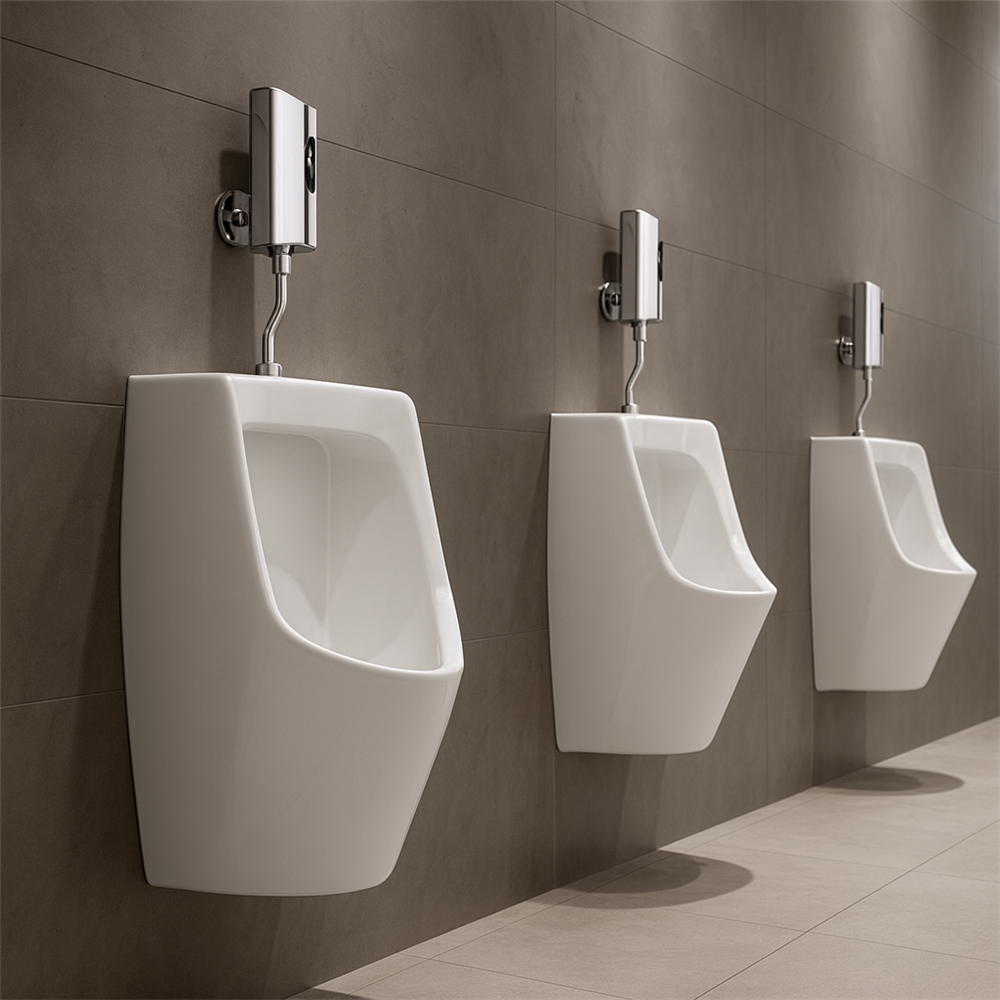
Chrome Auto Flush Valve
Best for offices, schools, and public restrooms where classic commercial appearance and easy cleaning are priorities.
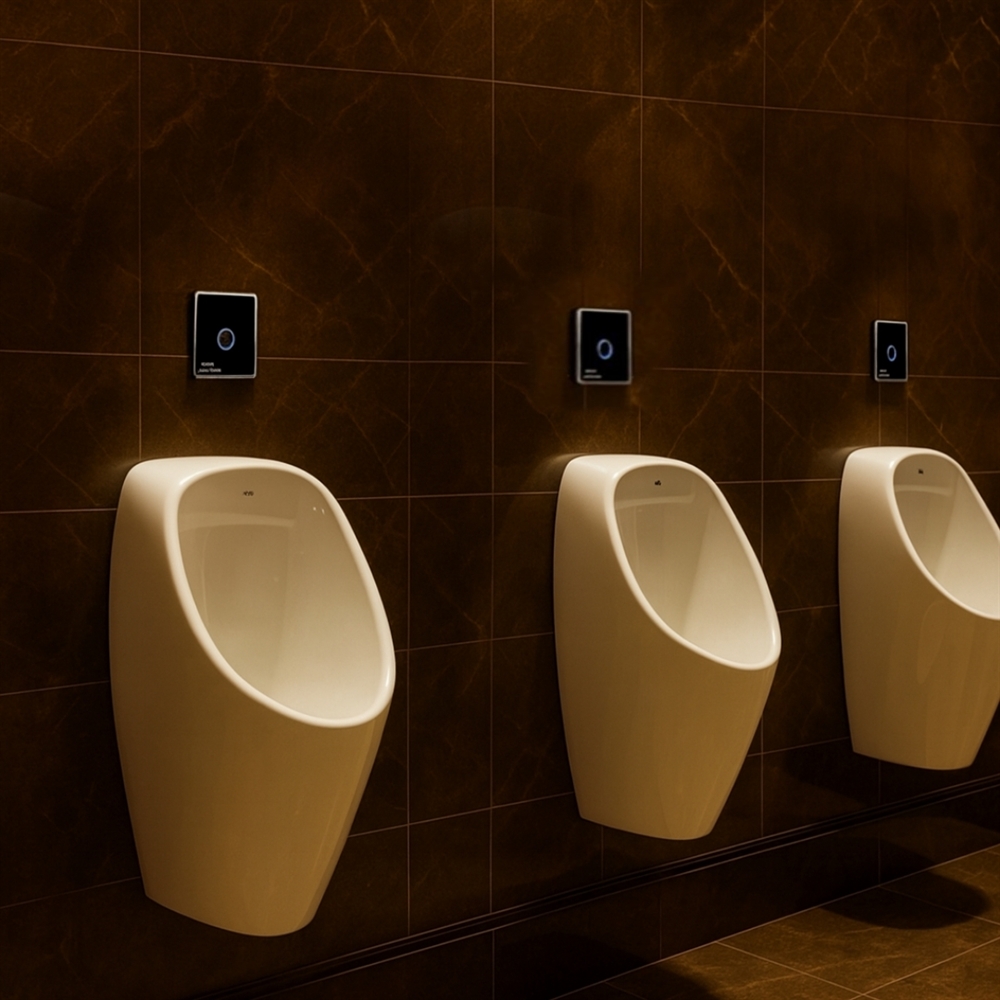
Matte Black Flush Valve
Best for modern hospitality, restaurant, and executive restroom designs that need a refined finish.

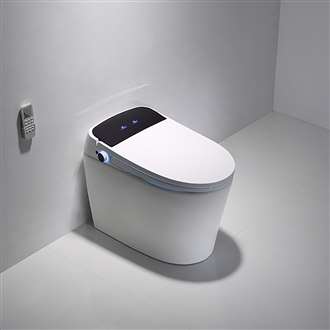
Auto Toilet Flush System
Best for retrofit upgrades where automatic activation is needed without changing the full restroom design language.
Light Gold Flush Valve
Best for luxury commercial restrooms, boutique hotels, and premium amenity spaces.
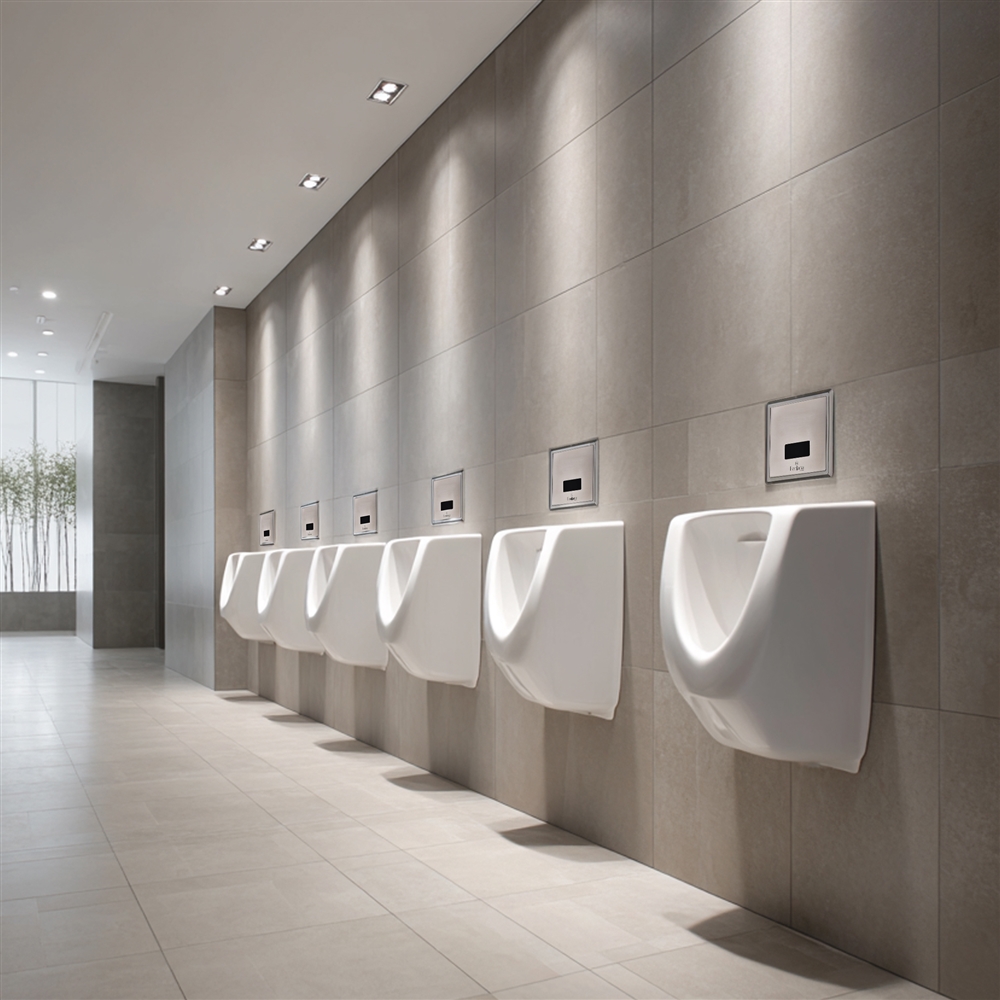
Wall-Mount Auto Valve
Best for straightforward commercial installations that need dependable automatic flushing and a clean wall profile.
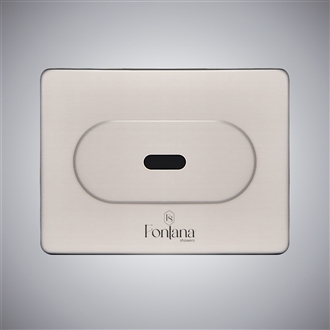
Brushed Nickel Valve
Best for restrooms that need a softer metallic finish while maintaining commercial durability.
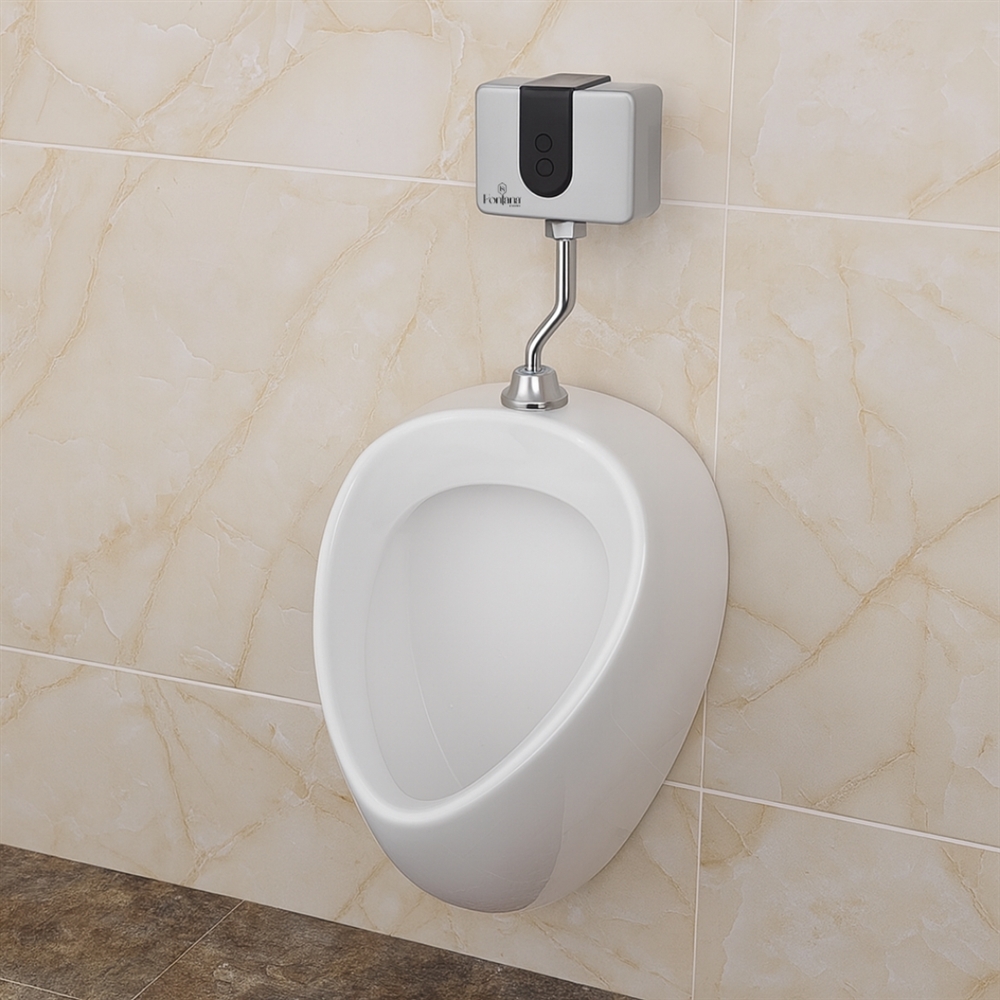
Dark Gold Flush Valve
Best for upscale hospitality, retail, and executive-level restroom spaces with warm metal accents.
Brushed Brass Valve
Best for premium projects that want touchless restroom performance with a warmer architectural finish.
Black & White Valve
Best for contemporary interiors where restroom fixtures need contrast, clean geometry, and automatic operation.
Water Use and Flush Volume
Flush volume is one of the first specification points to confirm. A lower gallon-per-flush rating can reduce water use, but the valve must remain compatible with the bowl, building drainline conditions, and local plumbing code. Commercial restrooms with long horizontal runs, older waste piping, or unusual fixture layouts may need extra engineering review before aggressive water reduction is selected.
For high-efficiency commercial water closets, many projects look to WaterSense-labeled flushometer-valve toilets because they are designed around both water savings and performance testing. The specification conversation should include the fixture, the valve, the building drainage system, and the expected traffic pattern.
1.28 gpf
Common high-efficiency target for qualifying commercial flushometer-valve toilet systems.
1.6 gpf
Federal baseline often used as a comparison point for standard commercial water closet performance.
1.0 gpf minimum
Used in WaterSense criteria to help support drainline transport in commercial applications.
Power: Battery or Hardwired?
Automatic flush valves normally use battery power, hardwired power, or a hybrid strategy. Battery-powered valves are popular for retrofits because they reduce electrical coordination. Hardwired valves are often preferred in new construction or large commercial campuses because they reduce battery replacement planning.
| Power Type | Best For | Advantages | Planning Notes |
|---|---|---|---|
| Battery Powered | Retrofits and small projects | Flexible installation, less electrical work, easier phased upgrades | Include battery replacement schedule in facility maintenance plan. |
| Hardwired | New construction and large facilities | Lower battery service burden and centralized electrical planning | Coordinate with electrical drawings early to avoid field conflicts. |
| Hybrid / Backup | Critical-use restrooms | Supports continued operation during power or battery interruptions | Verify backup behavior and closeout documentation. |
Sensor Performance
Sensor quality is the difference between a restroom that feels effortless and one that creates maintenance complaints. The sensor should recognize normal use, ignore brief passersby, avoid repeated flushing, and allow the cleaning team to work without constant activation.
Look for these sensor features
- Adjustable detection range
- Flush delay control
- Manual override option
- Low-battery indicator
- Cleaning or maintenance mode
- Stable performance under bright restroom lighting
Common sensor problems
- False activation from reflective surfaces
- Missed flushes due to poor angle or range
- Double flushing after short user movement
- Weak battery performance in high-use areas
- Improper commissioning after installation
ADA and Accessibility Coordination
Automatic flush controls can support accessible restroom use because they reduce the need for manual operation. Still, accessible toilet compartments require careful coordination between the water closet, grab bars, toilet paper dispenser, partitions, sensor location, valve body, and service access.
For accessible water closets, flush controls must be automatic or hand operated. When hand-operated controls are used, they must be located on the open side of the water closet except where specific ambulatory compartment rules apply. Automatic flush valves should still be reviewed so the sensor position and valve body do not interfere with grab bars or user stability.
Specifier Checklist
Use this checklist before approving automatic flush valves for a commercial restroom package.
Technical approval
- Confirm fixture type: toilet or urinal.
- Confirm flush volume and code requirements.
- Confirm valve compatibility with bowl or urinal.
- Review water pressure range and supply size.
- Confirm sensor range and delay settings.
- Review manual override function.
- Confirm battery, hardwired, or hybrid power strategy.
Project documentation
- Request cut sheets and installation instructions.
- Include rough-in dimensions in submittals.
- Coordinate access panels for concealed systems.
- Document final sensor settings at closeout.
- Provide maintenance and troubleshooting instructions.
- Standardize spare parts where possible.
- Confirm warranty and support contacts.
Case Example: Office Tower Retrofit
Consider a 12-floor office tower with aging manual flush valves. The facility team receives frequent complaints about unflushed fixtures, odor, and inconsistent restroom condition during peak periods. The building owner wants better hygiene perception and lower maintenance calls without fully remodeling every restroom.
A practical retrofit approach would be to standardize one automatic flush valve family across all typical floors, confirm fixture compatibility, set a battery replacement schedule, and train cleaning staff on sensor lockout or manual override procedures. Public lobby restrooms may receive premium finishes, while upper-floor employee restrooms may use a more standard chrome or brushed nickel finish.
Inconsistent flushing
Manual use depends on user behavior, which can vary throughout the day.
Automatic activation
Sensor-operated flushing creates a more consistent restroom baseline.
Better operations
Facilities teams gain a standardized platform for parts, settings, and maintenance.
Best Overall Recommendation
For most commercial restrooms, the best automatic flush valve is a commercial-grade sensor-operated valve with the correct flush volume, reliable detection, manual override, durable finish, easy service access, and clear documentation. The product should be selected as part of a complete restroom system, not as an isolated accessory.
For new construction, hardwired or standardized power planning can reduce long-term service work. For retrofits, battery-powered automatic flush valves may provide the fastest path to touchless operation. For high-end hospitality or executive restrooms, finish coordination can be added after technical requirements are confirmed.
Need a Spec-Ready Flush Valve Package?
Build your project around fixture compatibility, water performance, ADA coordination, power planning, finish selection, and service access.
FAQ
Are automatic flush valves better for commercial restrooms?
Yes, automatic flush valves are often better for commercial restrooms because they reduce touchpoints and help create a more consistent flush cycle. They are especially useful in high-traffic restrooms where user behavior varies.
What flush volume should I specify?
The correct flush volume depends on the fixture, plumbing system, code requirements, and project goals. Many high-efficiency commercial water closet systems target 1.28 gpf, but drainline performance and fixture compatibility must be verified.
Should I choose battery or hardwired automatic flush valves?
Battery-powered valves are practical for retrofits and phased upgrades. Hardwired valves are often better for new construction, large facilities, and projects that want to reduce battery replacement work.
Do automatic flush valves help with ADA compliance?
Automatic operation can support accessibility because the user does not need to manually operate the control. However, the full restroom layout still must meet applicable ADA and local accessibility requirements.
What is the most important maintenance feature?
Easy service access is one of the most important maintenance features. Facilities teams should be able to reach batteries, filters, diaphragms, solenoids, and other service parts without closing the restroom for major work.
Reference Links
Use these resources for deeper review during specification, code coordination, and project documentation.