
Commercial Restroom Guide
Infrared Sensor Flush Valves Explained
Infrared sensor flush valves improve hygiene, reduce handle contact, and help facilities control restroom performance. Accuracy depends on the right sensor range, clear placement, power condition, water pressure, and routine maintenance.
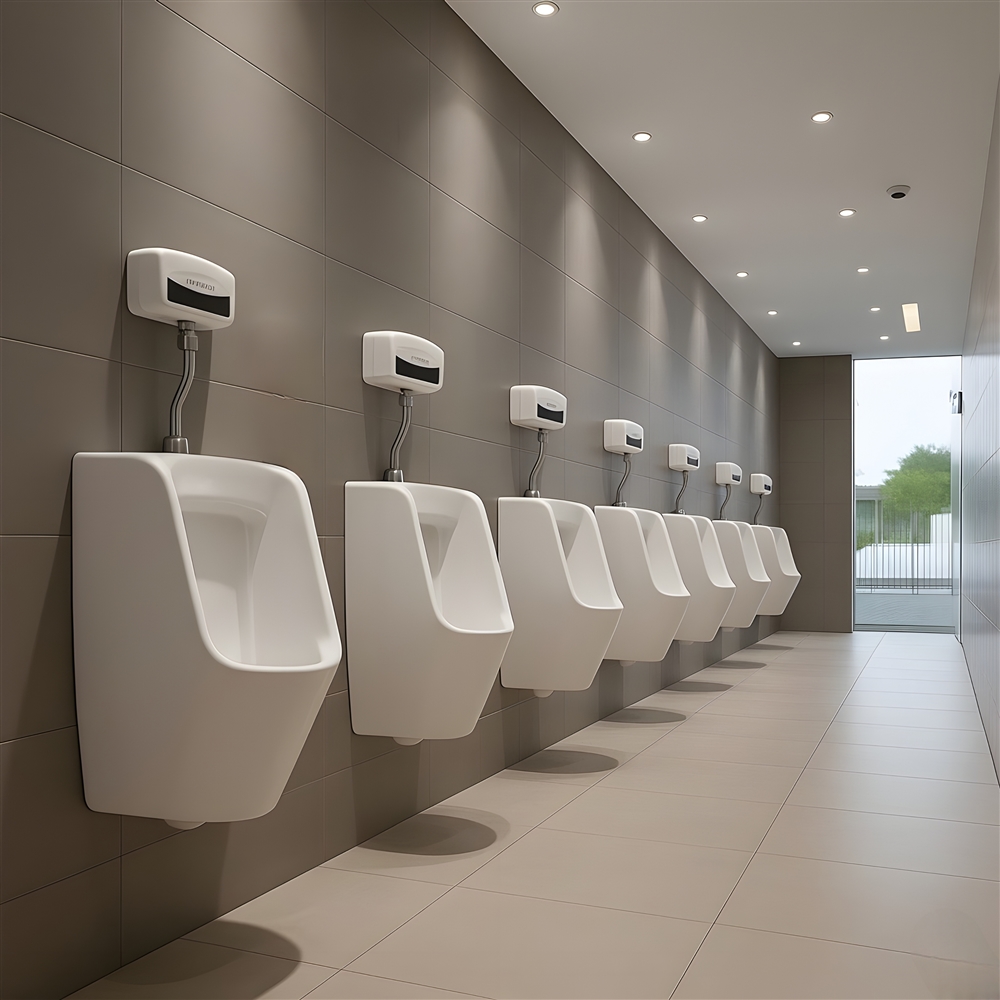
What It Does
An infrared sensor flush valve is a hands-free flushing device used on commercial toilets and urinals. Instead of a manual handle, the valve uses an infrared sensor to detect when a user is present and when the user leaves the fixture. After the user departs, the valve releases a controlled flush.
The goal is simple: reduce touchpoints, support restroom hygiene, improve consistency, and help facility teams limit waste caused by missed flushes or repeated manual activation.
How It Works
The sensor emits infrared light toward the user zone. When a person enters the detection field, the sensor reads the reflected signal. Once the person leaves and the required timing condition is met, the electronics activate the solenoid or motorized mechanism that opens the flush valve.
Main Components
| Component | Purpose | What Can Go Wrong |
|---|---|---|
| Infrared sensor eye | Reads user presence and departure. | Dirty lens, blocked view, incorrect angle, glare, or reflection. |
| Control module | Processes sensor signals and controls timing. | Weak battery, wiring fault, failed calibration, or moisture exposure. |
| Solenoid or actuator | Opens the valve when the flush signal is sent. | Debris, worn seals, scale, coil failure, or slow response. |
| Diaphragm or piston kit | Controls water discharge through the flushometer body. | Low flow, continuous running, short flush, or no flush. |
| Control stop | Regulates water supply into the valve. | Closed stop, poor adjustment, low pressure, or clogged inlet screen. |
What Affects Accuracy
Sensor accuracy is not only about the sensor itself. The full restroom environment affects performance. A high-quality flush valve can still misread the user zone when the sensor faces reflective walls, shiny partitions, mirrors, bright light, moving objects, or another infrared device.
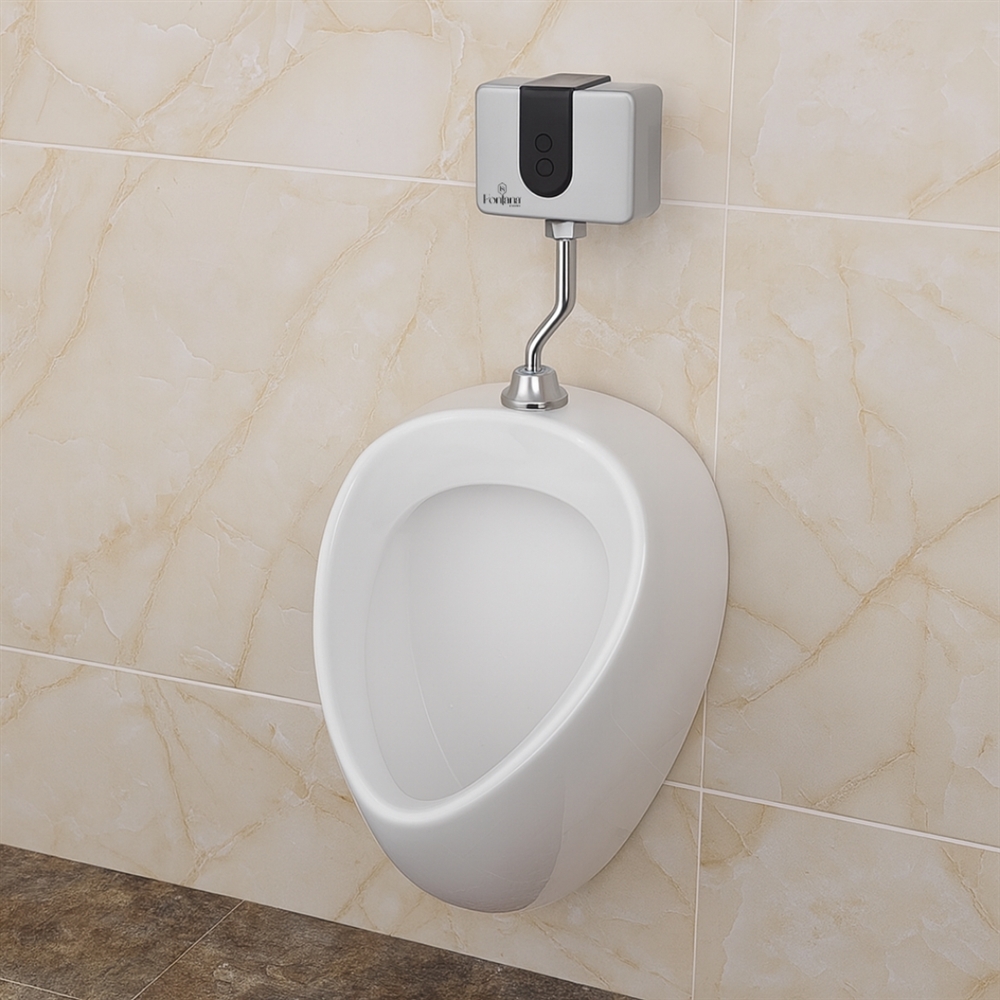
Accuracy Risk Chart
The chart below shows typical causes of unreliable operation. It is a practical field reference, not a replacement for the manufacturer manual.
Sensor Placement
Placement is the most important part of reliable infrared flush valve performance. The sensor needs a clear line of sight to the user’s normal position. It should not be aimed at reflective surfaces, moving doors, partitions, handrails, or bright light sources.
Placement Checklist
- Mount the sensor squarely toward the expected user position.
- Keep the sensor lens clean, visible, and unobstructed.
- Avoid aiming the sensor at mirrors, stainless steel walls, glossy tile, or polished partitions.
- Do not place objects inside the sensor field, including rails, shelves, cleaning tools, or signage.
- Check the manufacturer’s recommended detection distance before adjusting range.
- Confirm that toilet seats, lids, or stall components do not block the sensor.
- For adjacent fixtures, prevent sensors from facing each other directly.
- After installation, test several user heights and normal approach angles.
| Placement Area | Good Practice | Risk If Ignored |
|---|---|---|
| Sensor height | Use the height required by the fixture and valve model. | Missed users, false readings, or late flush response. |
| Sensor angle | Aim toward the user’s torso area, not the floor or wall. | Random activation or no activation. |
| Reflective surfaces | Keep mirrors and polished metal outside the detection field. | Ghost flushing or repeated flushing. |
| Fixture clearance | Keep partitions, seats, lids, and grab bars clear of the sensor path. | Blocked detection or inconsistent response. |
| Multiple sensors | Offset units so sensors do not face each other. | Cross-talk and unwanted activation. |
Common Issues
Most infrared flush valve issues fall into five groups: detection, power, water flow, internal valve parts, and installation environment. The best troubleshooting method is to isolate each group instead of replacing parts too early.
| Problem | Likely Cause | First Check | Typical Fix |
|---|---|---|---|
| No flush | Weak battery, dead power supply, blocked sensor, closed stop, or failed solenoid. | Look for sensor LED behavior and confirm water supply is open. | Replace batteries, clean lens, open control stop, or service solenoid. |
| Flushes by itself | Reflection, moving object, sensor facing another sensor, or excessive range. | Check mirrors, shiny panels, doors, and sensor direction. | Recalibrate range, remove obstruction, or adjust fixture environment. |
| Repeated flushing | User zone is being held active or sensor is seeing reflection. | Stand outside the zone and watch for LED activity. | Clean sensor, reduce range, or redirect reflective surfaces. |
| Short flush | Incorrect diaphragm, restricted water flow, debris, or pressure issue. | Inspect flush volume parts and control stop position. | Clean parts, replace diaphragm/piston kit, verify pressure. |
| Valve runs continuously | Debris in diaphragm/piston, worn seal, damaged bypass, or stuck solenoid. | Shut control stop and inspect internal kit. | Clean or replace internal valve kit and solenoid as needed. |
| Delayed response | Normal timing delay, weak battery, dirty lens, or slow actuator. | Compare response with manual timing in product guide. | Clean sensor, replace power source, inspect actuator. |
Field Troubleshooting
Start with simple checks. Many automatic flush valve problems are caused by lens dirt, weak batteries, closed stops, incorrect range, or reflective surfaces. Replace parts only after confirming power, water supply, and sensor behavior.
Step-by-Step Check
- Confirm water supply. Make sure the control stop is open and water pressure is adequate for the fixture.
- Clean the lens. Use a soft cloth. Do not scratch the sensor eye.
- Check power. Replace batteries or verify hardwired power according to the model guide.
- Watch the LED. Indicator lights often show detection, low battery, startup, or fault status.
- Test the user zone. Stand in the normal position, then step away and watch whether the valve responds.
- Look for reflections. Cover or move shiny surfaces temporarily to see if false activation stops.
- Recalibrate range. Follow the manufacturer’s procedure and use a nonreflective target if required.
- Inspect valve internals. Check diaphragm, piston, seals, inlet screen, solenoid, and bypass passages.
Case Example
A commercial restroom has three wall-hung toilets. One flush valve activates every few minutes with no user present. The maintenance team replaces the batteries, but the issue continues. During inspection, the sensor is found facing a polished stainless partition. Once the sensor range is reduced and the reflective angle is corrected, ghost flushing stops.
Lesson: Sensor accuracy is often an environment problem before it is a product problem.
Maintenance Plan
A simple maintenance routine keeps infrared sensor flush valves reliable. High-traffic restrooms should be checked more often because lenses get dirty faster, batteries drain sooner, and debris can collect in the valve body.
| Task | Suggested Frequency | Why It Matters |
|---|---|---|
| Clean sensor lens | Weekly in busy restrooms | Improves detection and reduces false readings. |
| Check LED status | Monthly | Helps catch low battery or sensor fault signals early. |
| Inspect control stop | Quarterly | Confirms proper water flow and prevents weak flushes. |
| Review sensor range | After layout changes | Prevents new partitions, mirrors, or fixtures from affecting accuracy. |
| Service diaphragm or piston kit | As performance declines | Restores flush volume and stops run-on problems. |
Specification Tips
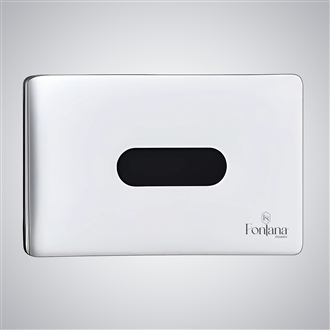
For new projects, sensor flush valves should be selected as part of the full restroom system, not as a single isolated product. The fixture type, rough-in dimensions, water pressure, flush volume, power source, maintenance access, and traffic level all matter.
FAQ
Why does my infrared flush valve flush when nobody is there?
The most common reasons are reflection, excessive sensor range, a moving object in the detection field, another sensor facing it, or a dirty lens. Check mirrors, polished metal, glossy tile, stall doors, and nearby fixtures.
Why does the valve not flush after use?
Check the battery or power connection first. Then clean the sensor lens, confirm the control stop is open, and verify that the sensor is aimed at the normal user position. If the electronics respond but water does not flow, inspect the solenoid, diaphragm, piston, and inlet screen.
Can sensor range be adjusted?
Many commercial sensor flush valves allow range adjustment or recalibration. The exact method depends on the model. Always use the manufacturer’s instructions because the wrong range can cause missed flushes or ghost flushing.
Are infrared flush valves better than manual handles?
They are often better for high-traffic restrooms because they reduce hand contact and improve flush consistency. Manual handles can still be practical in some low-use or maintenance-sensitive spaces, but automatic valves are usually preferred where hygiene and user experience are priorities.
How often should automatic flush valves be maintained?
In busy commercial restrooms, inspect sensors weekly and review valve performance monthly. Service frequency depends on traffic, water quality, battery life, and fixture condition.
Reference Sources
Use these manufacturer and standards resources for product-specific installation, maintenance, troubleshooting, and code-related review. Always confirm final settings with the exact model manual.