
Sensor Flushometer Warranties: What Procurement Misses
This article explains the key gaps in standard sensor flush valve warranties that procurement teams often overlook.
 Khan Parwez
This article explains the key gaps in standard sensor flush valve warranties that procurement teams often overlook.
A sensor shower valve that drips after shutoff usually points to a faulty solenoid pilot, worn diaphragm, or trapped line pressure.
Flush valve specification should prioritize duty cycle and sensor detection window over fixture flow rate, based on restroom traffic volume.
This article compares shower eco-stops and sensor flushometers by auditing cycles per day rather than fixture type to determine real water savings.
Installers must provide four key documents after a sensor flushometer install to help diagnose future issues like phantom flushes.
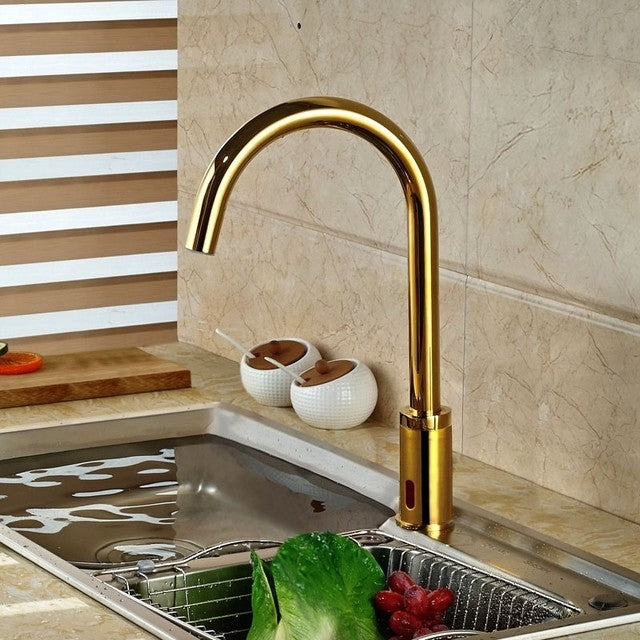
A roundup of five touchless kitchen faucets aimed at maintenance and water-efficiency managers selecting fixtures for shared kitchen stations.
Flushometer sizing depends on occupancy load tables, sensor range, wiring type, and duty cycle, not just fixture counts.
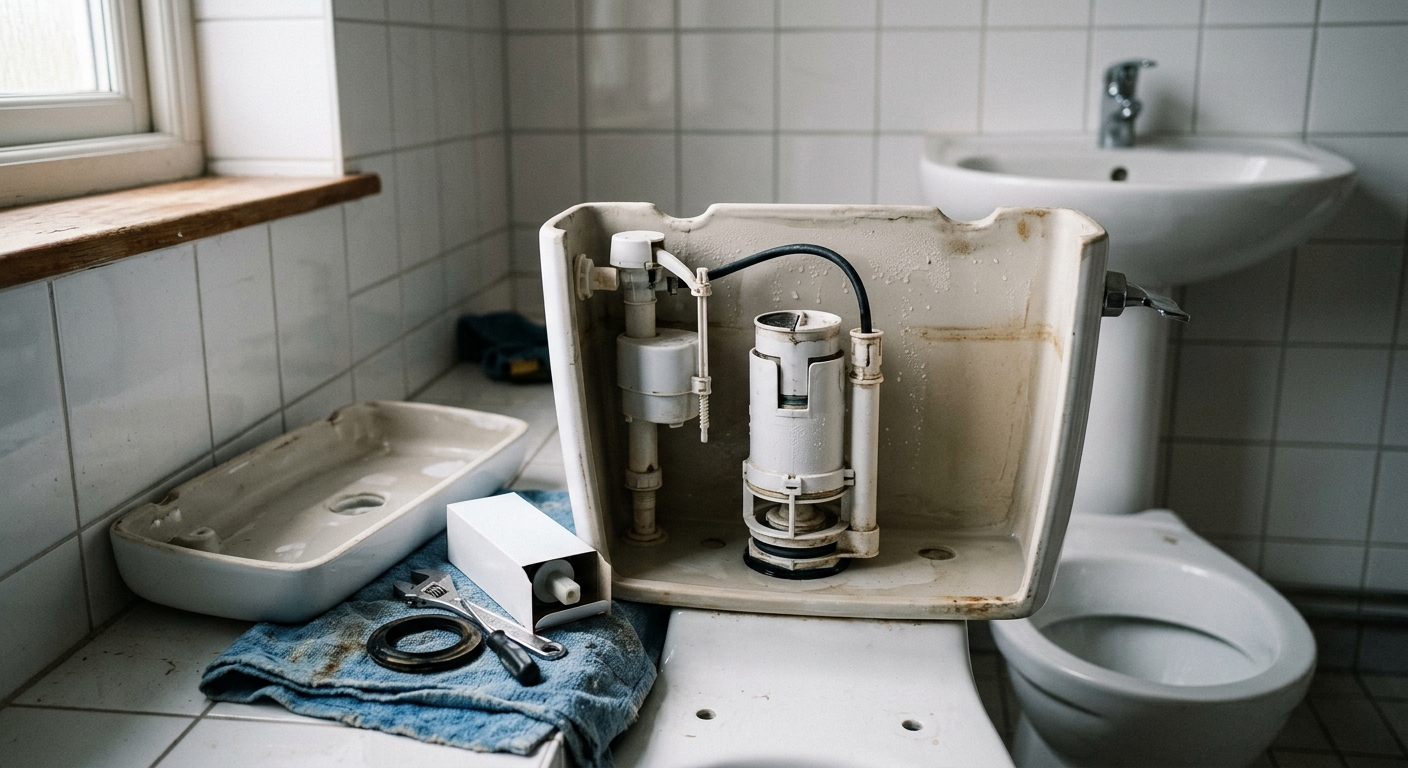
A dripping flushometer after a cartridge swap is usually a flush valve diaphragm seat issue, not a defective cartridge.
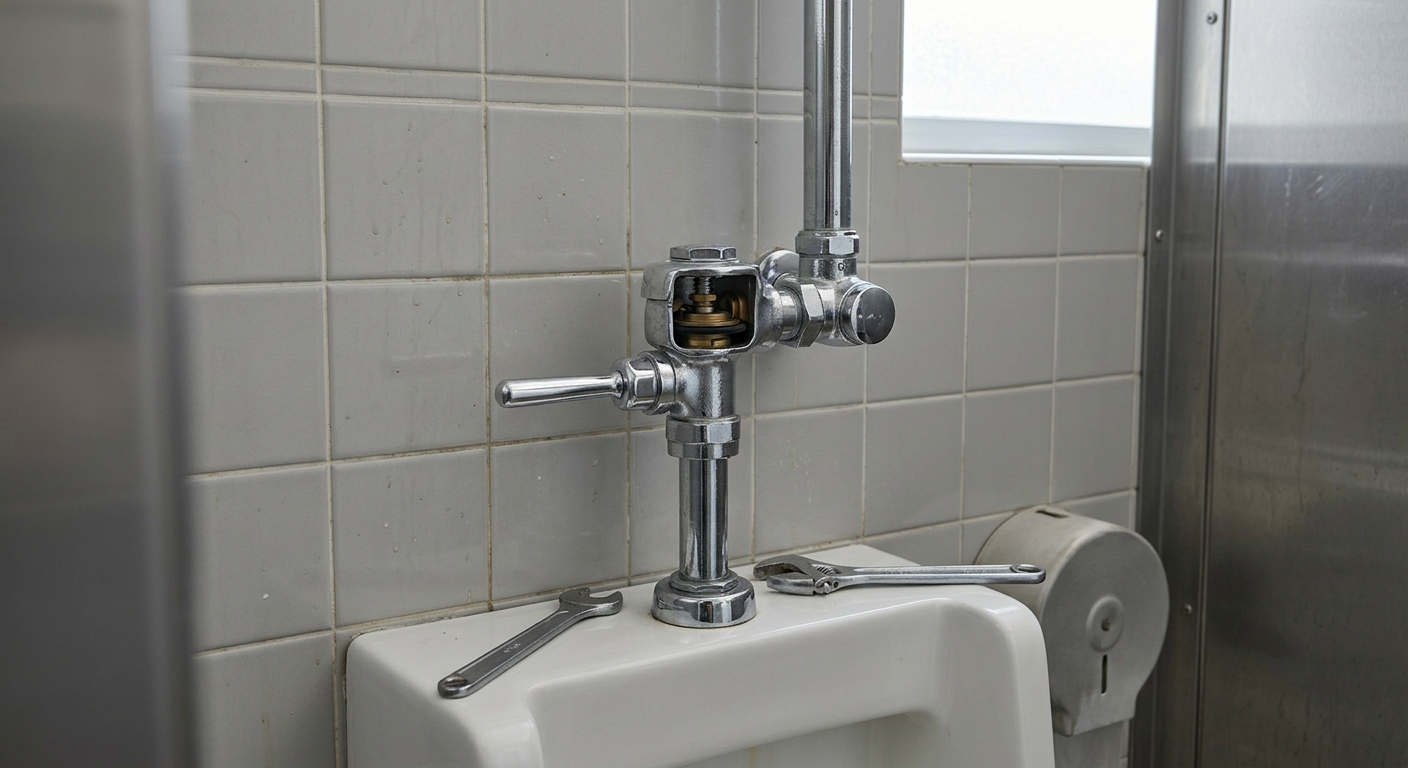
A flushometer handle that spins without flushing usually signals a disengaged override linkage or stuck diaphragm, not low water pressure.