
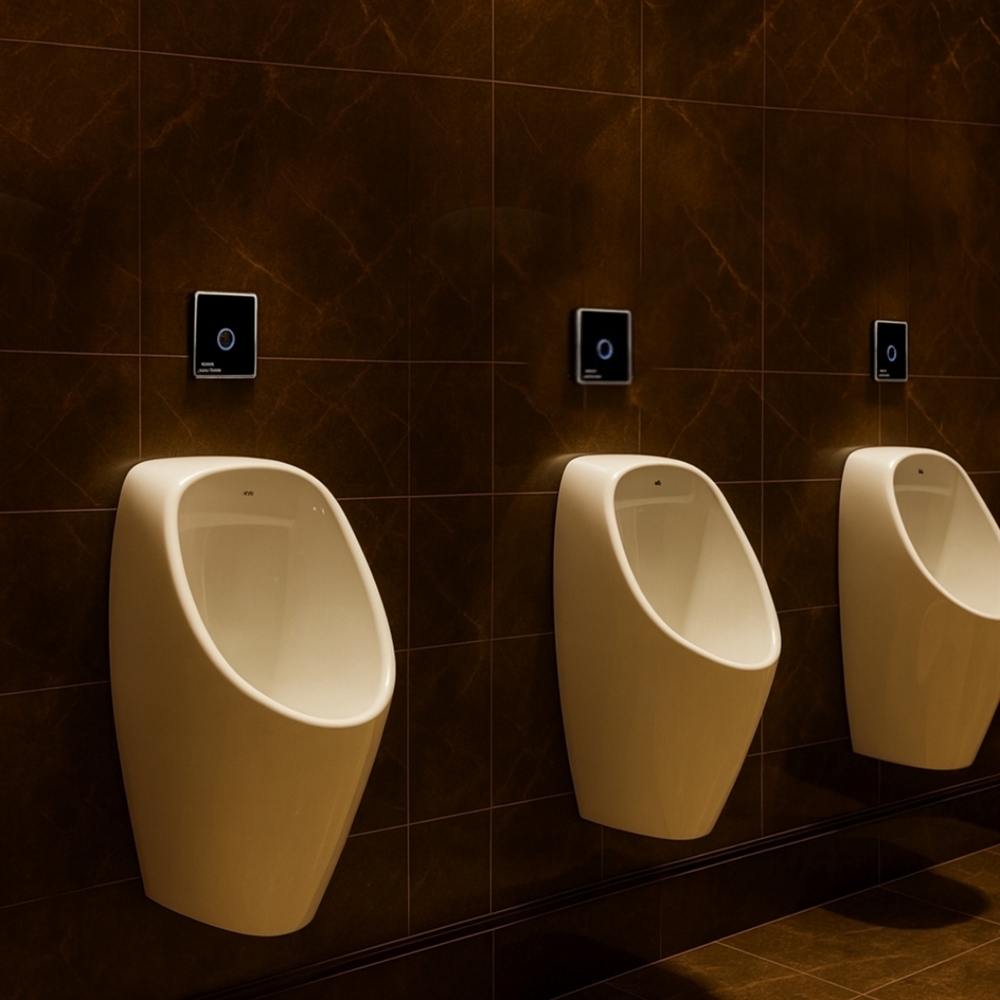
Sensor Flush Valve Buying Guide
A practical specification guide for choosing automatic flush valves for schools, airports, hotels, and office buildings. This article explains flush volume, power type, sensor performance, ADA planning, maintenance access, and real-world buying priorities for high-use commercial restrooms.
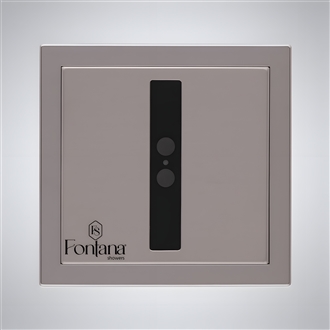
Why Sensor Flush Valves Matter
Sensor flush valves are used in commercial toilets and urinals to activate a flush without requiring the user to touch a handle. For schools, airports, hotels, and office buildings, this helps create a cleaner restroom experience while improving user flow and reducing visible fixture abuse.
The strongest buying decision is not simply “manual or automatic.” The better question is: which sensor flush valve fits the traffic level, plumbing system, fixture type, maintenance team, water-use target, and accessibility requirements of the building?
Touch-free activation limits direct contact with restroom flush handles.
Automatic operation helps reduce missed flushes in busy restroom banks.
Sensor valves support current commercial restroom expectations.
Best Fit by Building
A school restroom has different abuse patterns than a hotel lobby restroom. An airport terminal has different runtime demands than a private office floor. Use the chart below to match the valve specification to the building environment.
| Building Type | Main Buying Priority | Recommended Valve Focus | Best Power Choice | Specification Note |
|---|---|---|---|---|
| Schools | Durability and tamper resistance | Vandal-resistant cover, stable sensor range, manual override | Battery or hardwired by restroom group | Choose rugged finishes and easy service access for maintenance staff. |
| Airports | Heavy traffic and uptime | Hardwired sensor valve, low false-activation rate, fast reset | Hardwired with backup planning | Specify for peak traffic, cleaning cycles, and long operating hours. |
| Hotels | Guest experience and quiet operation | Clean design, dependable activation, finish consistency | Battery for renovations; hardwired for new builds | Match flush valves with faucets, dispensers, and restroom style. |
| Office Buildings | Efficiency and predictable maintenance | Water-efficient rating, standard parts, simple battery access | Battery or hardwired depending on floor layout | Standardize models across floors to simplify stocking parts. |
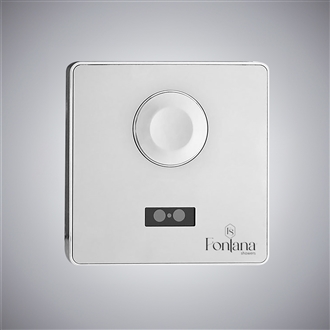
Selection Priority Chart
This practical chart shows how buying priorities often shift by building type.
Technical Specs to Check
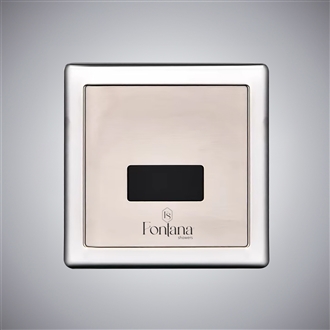
A sensor flush valve must be matched to the fixture, water pressure, rough-in, power source, and restroom use pattern. Before purchasing, confirm whether the project uses water closets, urinals, wall-hung bowls, floor-mounted bowls, retrofit valves, or complete flushometer assemblies.
Confirm whether the valve is for a toilet or urinal. The flush volume and valve body must match the fixture.
Commercial systems commonly use diaphragm or piston-style flushometer valves depending on design and maintenance preference.
Adjustable sensing helps prevent false flushes in tight stalls, busy terminals, and reflective restroom layouts.
A manual override is valuable for service, accessibility planning, and emergency operation.
Case-Style Specification Example
For a busy airport restroom bank, the facility team may choose hardwired sensor flush valves for toilets and urinals, specify vandal-resistant covers, require adjustable sensor range, and keep a standard replacement kit on site. This setup supports long daily operating hours and reduces the risk of downtime from battery replacement schedules.
For a school renovation, the better path may be battery-powered retrofit sensor valves with tamper-resistant housings, manual override buttons, and easy front-access battery replacement. This avoids opening walls while still improving hygiene and restroom consistency.
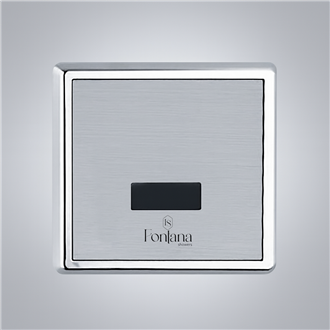
Flush Volume and Water Use
Flush volume is one of the most important technical points in a buying guide. A sensor valve does not automatically mean the restroom will use less water. The rated gallons per flush, sensor behavior, fixture performance, and maintenance condition determine real usage.
| Fixture | Common Efficient Target | Why It Matters | Buyer Note |
|---|---|---|---|
| Commercial Toilet / Water Closet | 1.28 gpf is a common high-efficiency target | Lower flush volume can reduce water demand when performance is maintained. | Verify compatibility between bowl, valve, drainline, and local code. |
| Commercial Urinal | 0.5 gpf or less is commonly used for high-efficiency urinals | Urinals can create major water demand in schools, airports, and offices. | Confirm WaterSense-labeled options where project goals require it. |
| Retrofit Flush Valve | Must match existing fixture rating | A mismatched valve can cause poor clearing, repeat flushes, or complaints. | Check the existing bowl or urinal before ordering retrofit parts. |
Simple Water-Use Formula
Use this quick planning formula before purchasing valves:
Number of fixtures × average uses per day × operating days per year × gallons per flush = estimated annual gallons
Example: 40 commercial toilet fixtures × 90 uses per day × 365 days × 1.28 gpf = about 1,681,920 gallons per year. This is a planning estimate, not a guaranteed savings figure. Actual usage depends on occupancy, sensor settings, cleaning routines, and user behavior.
Battery or Hardwired?
Power type affects installation cost, long-term service, reliability, and renovation flexibility. The best choice depends on whether the project is new construction, a full restroom renovation, or a retrofit upgrade.
| Power Type | Best For | Advantages | Watch Points |
|---|---|---|---|
| Battery Powered | Retrofits, schools, small offices, hotel renovations | Lower installation disruption and no wall wiring required. | Requires battery schedule and accessible service design. |
| Hardwired | Airports, large offices, new construction, heavy-use restrooms | Reduces battery maintenance and supports high-traffic uptime. | Higher planning needs for electrical coordination. |
| Hybrid / Backup Systems | Critical restrooms and high-profile public spaces | Supports continuity when one power method is interrupted. | Confirm product-specific backup behavior and maintenance needs. |
Battery-powered valves are often easier when walls and plumbing chases are already finished.
Hardwired valves are often preferred where restroom uptime is a major facility priority.
Maintenance and Service Planning
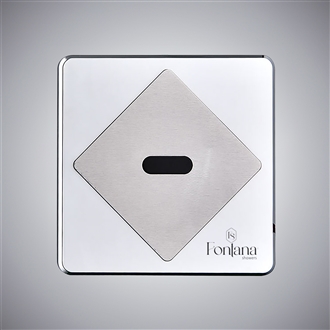
A good sensor flush valve should be easy to clean, inspect, and service. Facility teams should look beyond the product photo and check the real maintenance path: battery access, solenoid replacement, filter or strainer access, sensor cleaning, stop valve access, and replacement-part availability.
Key Maintenance Questions
For multi-building campuses, standardization is a major advantage. Using too many different valve models can make parts stocking harder, slow repairs, and increase training time for maintenance teams.
Buying Checklist
Use this checklist before approving a sensor flush valve purchase for a school, airport, hotel, or office restroom project.
Quick Recommendations
Choose rugged sensor flush valves with tamper-resistant covers, simple battery access, manual override, and durable finishes.
Choose hardwired or high-capacity sensor systems with adjustable sensing, easy service access, and strong part support.
Choose reliable sensor valves with clean design, quiet operation, consistent finish options, and strong guest-facing appearance.
Choose standardized models that balance water efficiency, routine maintenance, battery planning, and predictable long-term ownership cost.
Sensor Flush Valve FAQ
Do sensor flush valves save water?
Not automatically. Water savings depend on the rated flush volume, fixture match, sensor settings, and maintenance. A sensor valve improves touch-free operation, but the flush volume controls water use.
What is the best sensor flush valve for schools?
Schools usually need durable, vandal-resistant sensor flush valves with manual override, protected sensor lenses, simple battery access, and standardized replacement parts.
Are sensor flush valves good for airports?
Yes. Airports often benefit from touch-free operation, high-traffic durability, hardwired power, adjustable sensor range, and fast maintenance access across multiple restroom banks.
Should hotels use battery or hardwired flush valves?
Battery-powered valves are useful for renovations because installation is simpler. Hardwired valves are better for new construction or high-use public restroom areas where maintenance reduction is important.
What should office buildings check before buying?
Office buildings should confirm fixture compatibility, flush volume, maintenance access, battery schedule, ADA planning, and whether the same model can be used across multiple floors.
Reference Sources
The source links below are provided for buyers, facility teams, architects, and specifiers who want to verify water-efficiency, hygiene, accessibility, and federal facility planning guidance.
Final Buying Advice
The right sensor flush valve should match the building, not just the fixture. Schools need strength, airports need uptime, hotels need guest-ready design, and offices need predictable maintenance. For the best long-term result, specify flush volume, power type, sensor adjustability, ADA planning, service access, and part availability before approving the purchase.